

Does Homeowners Insurance Cover Fire Caused by an Earthquake?

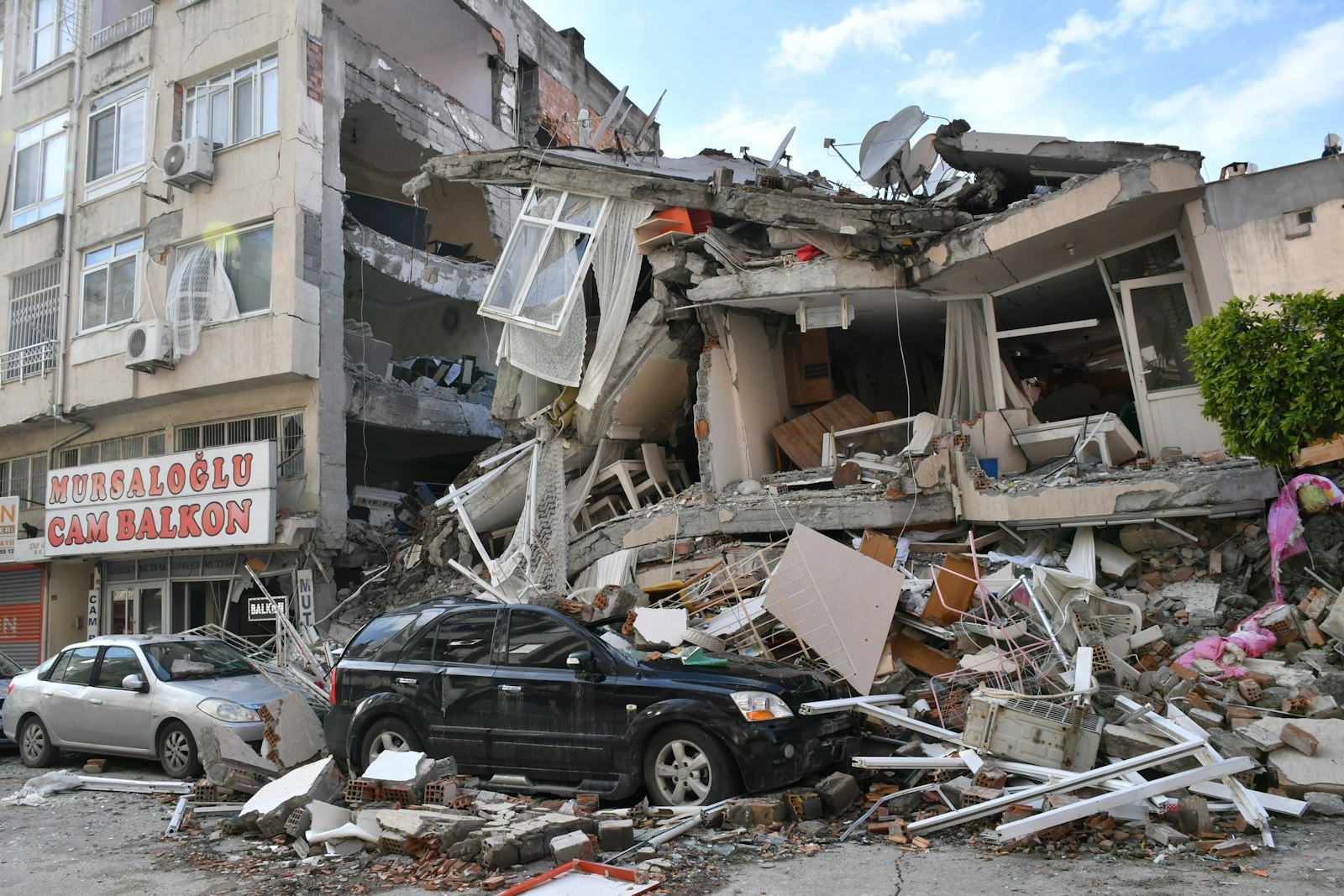
Most homeowners do not carry earthquake insurance, and standard homeowners policies exclude earthquake damage. But earthquakes break gas lines, topple water heaters and damage wiring, and the fires that follow can be worse than the shaking. Does homeowners insurance cover a fire caused by an earthquake? In the standard policy, yes.
The policy language
The standard homeowners form (ISO HO-3) excludes loss caused by earth movement, including earthquake, landslide, mudslide, subsidence and sinkholes. But the same exclusion includes an exception: direct loss by fire, explosion or theft resulting from earth movement is covered.
So if an earthquake ruptures a gas line and the house catches fire, the fire damage is covered under your homeowners policy even without earthquake coverage. The shaking damage is not, unless you have earthquake coverage.
Many insurers use their own wording, but most keep this fire exception. Check your policy's earth movement exclusion.
Why fire after an earthquake matters
Fire has always been part of earthquake risk. After the 1906 San Francisco earthquake, fires burned for days and caused much of the destruction. The same chain of events can happen today: broken gas lines, toppled water heaters, damaged wiring and candles during power outages, while blocked roads and broken water mains slow fire crews. That is why the fire exception in the policy matters so much.
Sorting shake damage from fire damage
The hard part is separating the two in one claim:
- Fire damage: burned framing, charred finishes, smoke and soot, heat damage, water damage from firefighting.
- Earthquake damage: cracked foundations, shifted framing, broken chimneys, cracked drywall from movement, broken contents that fell.
Where a fire destroys the house completely, it may be difficult or impossible to tell how much the shaking damaged it first. Insurers sometimes try to reduce the fire payment by attributing damage to the earthquake. The burden of showing that damage falls within an exclusion is generally on the insurer.
How to document it
- Get the fire department report showing the fire and its likely cause.
- Photograph everything as soon as it is safe, including undamaged areas.
- Have a structural engineer evaluate the building and distinguish earthquake from fire damage where possible.
- Keep pre-quake photos showing the home's condition.
- If you have earthquake coverage, file under both coverages and ask the insurer how it is allocating damage.
Two deductibles, two claims
If you have earthquake coverage, the earthquake deductible applies to the shaking damage and your regular homeowners deductible applies to the fire damage. Earthquake deductibles are often a percentage of the dwelling limit, so the split between the two can change what you pay.
Illustrative numbers only: with a $500,000 dwelling limit, a 15% earthquake deductible is $75,000, while the fire claim might carry a $2,500 deductible. Every dollar of damage moved from the fire column to the earthquake column can come out of your pocket. Ask for the allocation in writing, room by room.
Contents
Belongings destroyed by fire are covered. Items broken by the shaking before the fire, like dishes that fell, are earthquake losses. In practice, after a fire, it is often impossible to prove which items broke first. Claim contents destroyed in the fire as fire losses.
Water damage after a quake
The exception in the standard earth movement exclusion covers fire, explosion and theft. It does not mention water. If the shaking breaks a pipe and water floods the house, that damage generally falls under the earthquake exclusion in the standard form unless you have earthquake coverage. Water used by firefighters is different: it is part of the fire loss. Keep the two separate in your photos and notes.
Living expenses
If the fire makes the home unlivable, additional living expenses are generally covered. If the home is unlivable only because of earthquake damage, living expenses are generally covered only under earthquake coverage. See additional living expenses.
Earthquake coverage
In California, earthquake coverage is often bought through the California Earthquake Authority, with its own deductible, usually a percentage of the dwelling limit. Elsewhere, insurers sell earthquake endorsements. These are separate from your fire claim.
The same logic applies to other exclusions
Policies often include similar exceptions. For example, the standard water damage exclusion also covers fire, explosion or theft that results from flood. Fire is treated as a covered result even when the event that set it off is excluded.
Common questions
Do I need earthquake insurance to be covered for a fire after a quake?
No. The standard homeowners policy covers direct loss by fire resulting from earth movement. Earthquake coverage is needed for the shaking damage itself.
What if a gas line broke and caused an explosion?
Explosion resulting from earth movement is also covered under the standard form exception, along with fire. Damage from the explosion is handled like fire damage.
Can the insurer reduce my payment by blaming the earthquake?
It may try. The insurer generally has to show which damage falls within the exclusion. An engineer's report and pre-loss photos help. See why insurers deny fire claims.
Does the earthquake deductible apply to the fire damage?
Generally no. The earthquake deductible applies to damage paid under earthquake coverage. Fire damage paid under the homeowners policy carries the regular deductible. See how fire deductibles work.
Is water from a pipe broken by the earthquake covered?
In the standard form, generally not, because the exception in the earth movement exclusion covers only fire, explosion and theft. Earthquake coverage may pay for it. Water from firefighting is part of the fire claim.
Help with a fire after an earthquake
ClaimWarriors separates covered fire damage from excluded damage and pushes back when insurers over-allocate to exclusions. See what homeowners insurance covers after a fire, or contact us for a claim review.
Examples are illustrative. This article is general information, not legal advice. Policy wording varies. Last reviewed November 2026.




