

Barn and Farm Fire Insurance Claims: Buildings, Equipment and Livestock

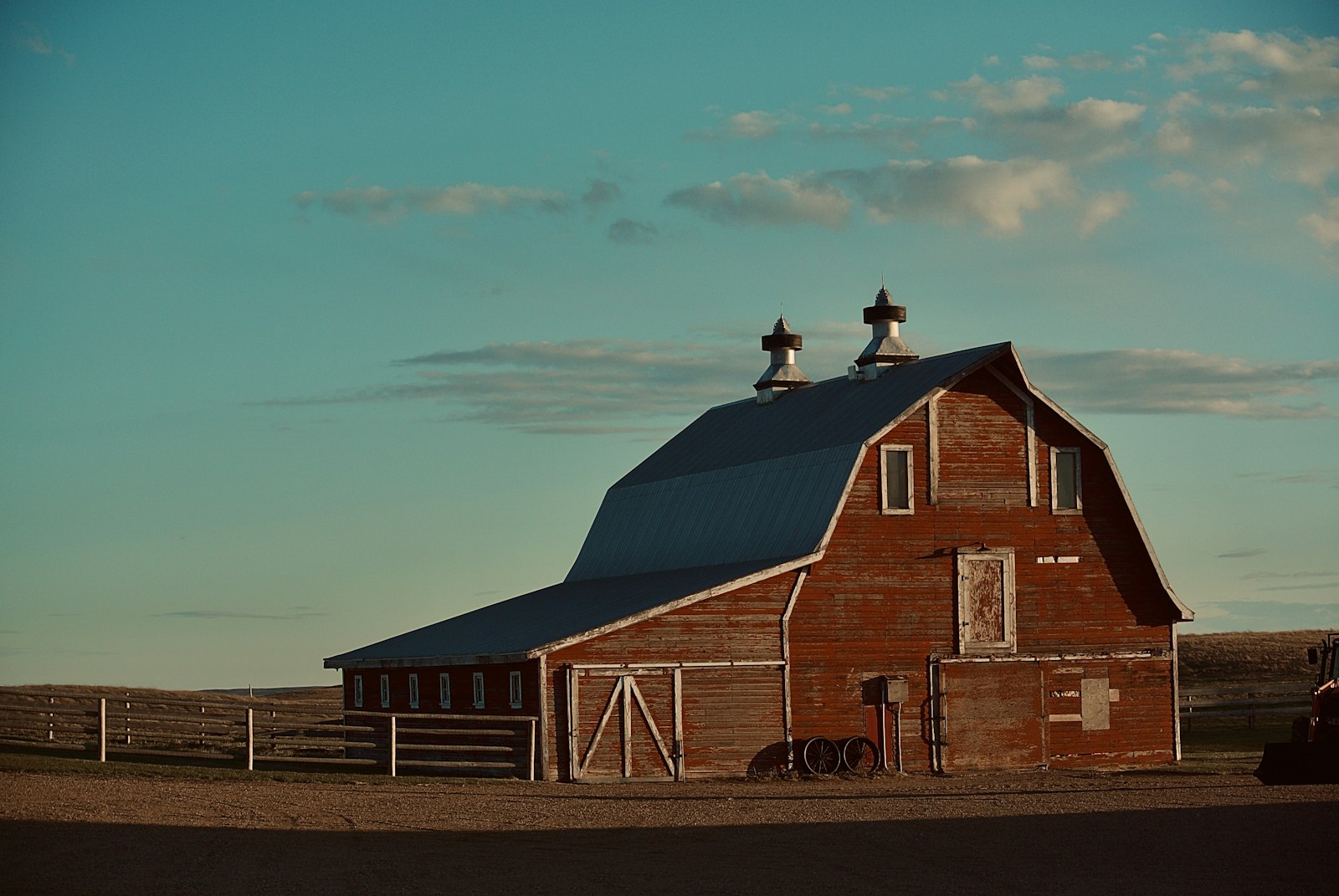
Barn fires can destroy buildings, equipment, stored hay and feed, and livestock in a single night. Farm insurance is different from homeowners insurance: property is often divided into schedules, valued at actual cash value, and subject to coinsurance. Here is how a farm fire insurance claim usually works.
How farm policies are organized
Many farm policies follow the ISO farm property forms or a similar structure from the insurer. A common layout:
- Dwelling, other private structures and household contents, much like a homeowners policy.
- Scheduled farm personal property: specific listed items or classes, such as a combine, a tractor or a group of livestock, each with its own limit.
- Unscheduled (blanket) farm personal property: one limit for all eligible farm personal property, usually subject to a coinsurance clause, often 80%.
- Barns, outbuildings and other farm structures, such as silos, machine sheds, corrals and fences, each scheduled with a limit.
Read your declarations page carefully. The way property was scheduled decides how it is paid.
Buildings
Barns and outbuildings are often insured at actual cash value, especially older structures, unless replacement cost was bought. Older barns can carry heavy depreciation. Ask how the insurer valued the building, and challenge depreciation that ignores the barn's condition and usefulness. See actual cash value vs replacement cost.
Blanket coverage and coinsurance
If farm personal property is insured under a blanket limit with 80% coinsurance and the total value of covered property at the time of the fire was much higher than the limit, the payment is reduced proportionally. This catches farms whose equipment and inventory grew. See the coinsurance penalty.
Equipment and machinery
Farm equipment is usually paid at actual cash value. Gather purchase records, hours, maintenance records and comparable sales or dealer quotes to support value. Equipment licensed for road use may be covered under an auto policy instead.
Livestock
Livestock is usually covered for named perils that include fire. Under blanket coverage, there may be per-head limits. Document:
- Head counts and records, such as registration papers and sale records.
- Market prices at the time of loss for similar animals.
- Veterinary records for animals injured and treated.
- Disposal costs for dead animals.
Hay, grain and feed
Stored hay, grain and feed are farm personal property. Wet hay can heat and ignite on its own. Insurers sometimes question whether such fires are covered; fire is generally covered regardless of cause, but check your policy. Gather harvest records, purchase invoices, storage records and local market prices.
Other costs
- Debris removal of burned structures and materials.
- Fences and corrals.
- Extra expense to keep operations going, like renting equipment or storage, if covered.
- Loss of income from interrupted operations, if your policy includes it.
Documenting a farm fire
- Get the fire department report.
- Photograph and video everything, including undamaged property for comparison.
- Build a list of every item lost with descriptions and values.
- Gather tax records and depreciation schedules, which often list equipment and buildings.
- Keep receipts for emergency measures.
Book value is not insurance value
Many farms write off equipment and buildings for taxes within a few years. A tractor or machine shed with a book value of zero on your depreciation schedule can still have real actual cash value. Insurers sometimes start from tax records because they are easy to get. Actual cash value is usually measured by the cost to replace the item minus depreciation that reflects its real condition, or by the market value of similar used equipment. Dealer quotes, auction results and listings for machines with similar hours show what the equipment was worth on the day of the fire.
Proving how much hay and feed burned
Stored crops are hard to count once they are ash. Evidence that helps:
- Bale counts from harvest records, custom baling invoices or purchase receipts.
- Typical bale weights for your baler and crop.
- Feeding records showing how much was used between harvest and the fire.
- Photos or drone images of the stack or barn before the fire.
- Moisture readings taken at baling, which can also answer questions about how the fire started.
- Local prices for the same grade of hay or grain, from auctions, buyers or market reports.
Rebuilding a barn built for another era
Many burned barns were timber-frame or old pole structures that no one would build the same way today. If the barn is insured at replacement cost, the usual standard is like kind and quality, which in practice often means a modern building of similar size, use and quality. If it is insured at actual cash value, the payment is based on the old building's value, which can be low. Before you agree on a number, get a builder's estimate for a modern structure with the same footprint and use, and ask the insurer to explain how its figure compares. Local codes may also require changes when you rebuild. See ordinance or law coverage.
Common questions
Is a hay fire from spontaneous combustion covered?
Fire is generally covered regardless of how it started, including heating hay. Some policies have specific conditions for stored crops, so check your farm policy.
Does a farm policy cover lost income after a barn fire?
Only if you bought coverage for loss of farming income or extra expense. Many farm policies do not include it automatically.
How are livestock valued after a fire?
Usually at actual cash value, using market prices for similar animals at the time of the loss, subject to any per-head limits in blanket coverage.
Can the insurer use my tax depreciation schedule to value equipment?
It can look at it, but tax depreciation follows tax rules, not market value. A fully written-off machine that still worked and had resale value should be valued on what it was worth, using comparable sales and dealer quotes.
Is my farmhouse covered under the same limit as the barn?
Usually not. The farm dwelling and household contents have their own limits, much like a homeowners policy, while barns and other farm structures are scheduled separately. A fire that spreads from a barn to the house can involve several limits. Check the declarations page and see how to read a declarations page.
Help with a farm fire claim
ClaimWarriors handles fire claims on farms and rural properties. See our fire claim services and garage, shed and barn fires, or contact us for a claim review.
This article is general information, not legal advice. Farm policy structures vary by insurer. Last reviewed November 2026.




