

Homeowners Debris Removal Coverage After a Fire: Trees, Ash and the Extra 5%

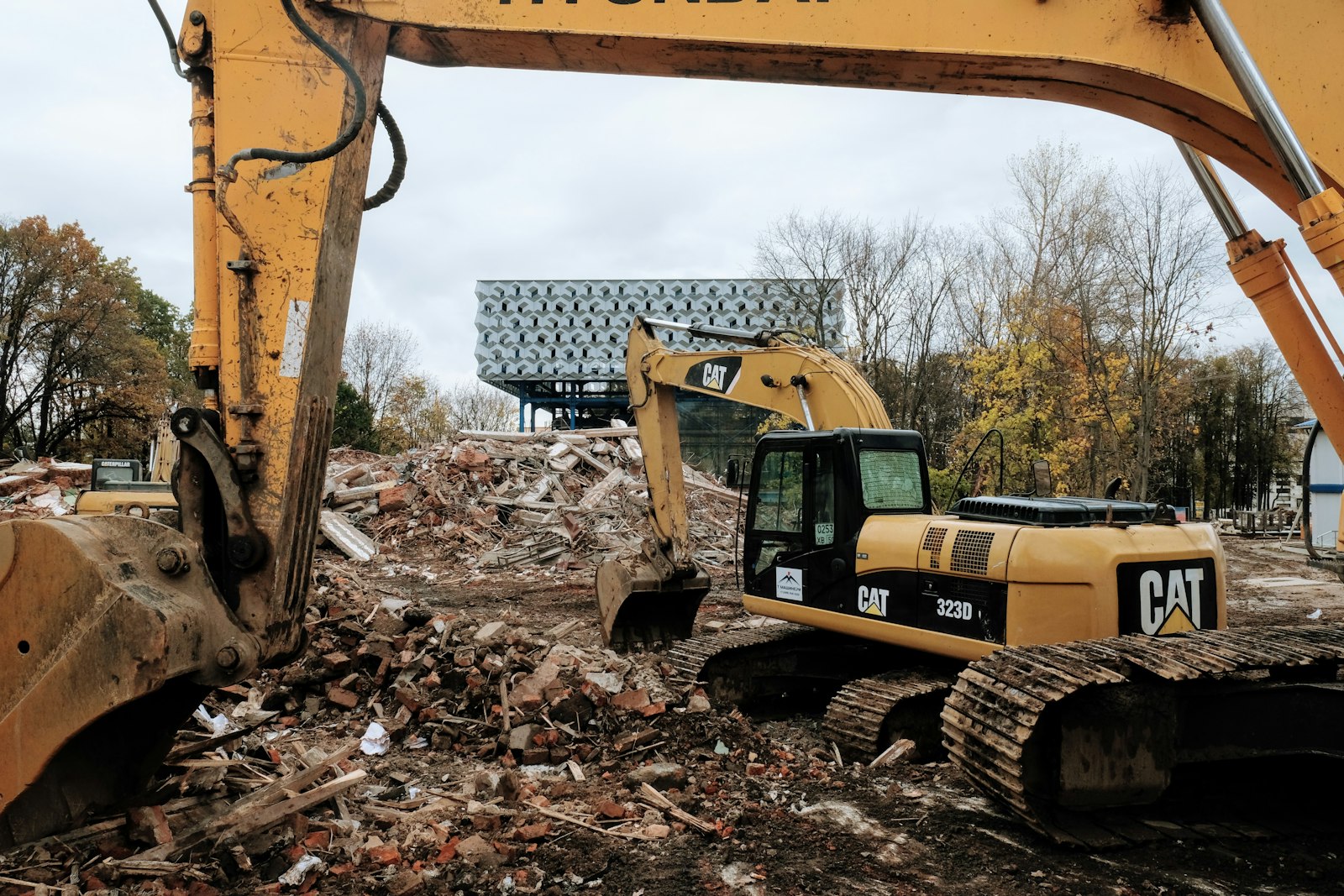
After a serious fire, the debris alone can cost tens of thousands of dollars to remove: burned framing, ash, contents, foundations, hazardous materials and dead trees. Debris removal coverage in homeowners insurance pays for this, but the way it is calculated surprises people, especially on total losses where the dwelling limit is already used up.
How debris removal works in the standard policy
The standard homeowners form (ISO HO-3) includes debris removal as an additional coverage. It pays the reasonable expense of removing debris of covered property damaged by a covered peril, like fire. Two key rules:
- The cost of debris removal is included in the limit for the damaged property. For the house, that means it comes out of the dwelling limit.
- If the damage plus the debris removal cost exceeds that limit, an additional 5% of the limit is available for debris removal.
Illustrative example: with a $400,000 dwelling limit and a total loss costing more than $400,000 to rebuild, debris removal may still be paid up to an additional $20,000.
Some insurers use different wording, and some policies offer more. Check your policy.
Each limit gets its own extra 5%
In the standard form, the extra 5% is tied to the limit for the damaged property. That means it can apply separately to the dwelling, other structures and personal property limits. Illustrative numbers only: if a fire uses up a $400,000 dwelling limit, a $40,000 other structures limit and a $200,000 personal property limit, debris removal could add up to $20,000, $2,000 and $10,000. Ask the insurer to show the calculation for each coverage.
Trees, shrubs and plants
The standard form also covers trees, shrubs, plants and lawns on your property for certain perils, including fire and lightning, up to 5% of the dwelling limit, with no more than $500 for any one tree, shrub or plant. That limit includes removing debris from those items. For wildfire losses on wooded property, this limit is often much lower than the real cost of removing burned trees.
Hazardous materials and ash
Burned homes often contain asbestos, lead paint, heavy metals and other hazardous materials. Testing and removal can be expensive. Policies often exclude pollution cleanup, but debris removal of the damaged building can still include handling these materials. Ask the insurer how it is treating hazardous debris, and get a contractor's written explanation of what is required by law.
Foundations, slabs and soil
After a total loss, whether the foundation can be reused drives a large part of the debris cost. Heat can crack concrete and weaken the steel inside it, and many builders will not build on a burned foundation without an engineer's sign-off. If the engineer says it must go, removing it is part of the debris scope. After wildfires, some cleanup programs also scrape off a layer of contaminated soil. Get the engineer's report in writing and make sure the estimate covers breaking, hauling and disposing of the concrete.
Government debris programs after wildfires
After large disasters, government agencies sometimes run consolidated debris removal programs. Homeowners who join may be asked to assign the debris removal portion of their insurance to the program. Rules vary from fire to fire. Before signing, ask:
- How much of your insurance will go to the program, and whether it comes from debris coverage only.
- Whether any amount reduces your dwelling coverage.
- What happens if you have already paid for some cleanup yourself.
See wildfire debris removal programs.
The California right-of-entry rules
In California, owners who join a county debris program sign a right-of-entry form and assign insurance proceeds for debris removal. The state insurance department has explained how this works. If your policy has a separate debris removal limit, the county can collect from it. If debris removal is included within a larger coverage with no separate limit, the county collects only what is left over after you rebuild, and you do not owe any shortfall. You can also offset your own debris costs for items the program did not handle.
Documenting debris removal costs
- Get written estimates from licensed demolition or abatement contractors.
- Include testing, permits, disposal fees, hauling, soil removal and erosion control where required.
- Photograph the site before and after removal.
- Keep every invoice and disposal receipt.
Debris from contents
Debris removal also applies to personal property. Hauling away burned furniture and belongings is part of the claim, separate from the value of the items.
Common disputes
- Insurers estimating debris removal by volume formulas that leave out foundations, hazardous materials or access issues.
- Refusing the extra 5% because the policy limit was not formally exhausted.
- Paying for burned trees only up to the $500 per-tree limit while the removal cost is far higher.
Common questions
Is debris removal part of my dwelling limit?
In the standard form, yes, but if the loss plus debris removal exceeds the limit, an extra 5% is available for debris removal.
Does insurance pay to remove trees killed by fire?
Trees, shrubs and plants are covered for fire up to a limit, usually 5% of the dwelling limit with no more than $500 per tree, including removal.
Should I join a government debris removal program?
It depends on your coverage and timeline. See wildfire debris removal programs.
Is the extra 5% available for contents debris too?
In the standard form it is tied to the limit of the damaged property, so it can apply to personal property as well as the dwelling. Check your policy wording.
Does debris removal pay the fire department's bill?
Not usually. That is a separate additional coverage in the standard form, up to $500 for fire department charges you agreed to pay when a department from outside your district responded. See how to read your declarations page.
Help with debris removal and total losses
ClaimWarriors documents debris, demolition and site costs on fire claims. See total loss house fire and underinsured after a fire, or contact us for a claim review.
Examples are illustrative. This article is general information, not legal advice. Coverage depends on your policy wording. Last reviewed November 2026.




