

Wildfire Debris Removal: Government Program vs Your Insurance Coverage

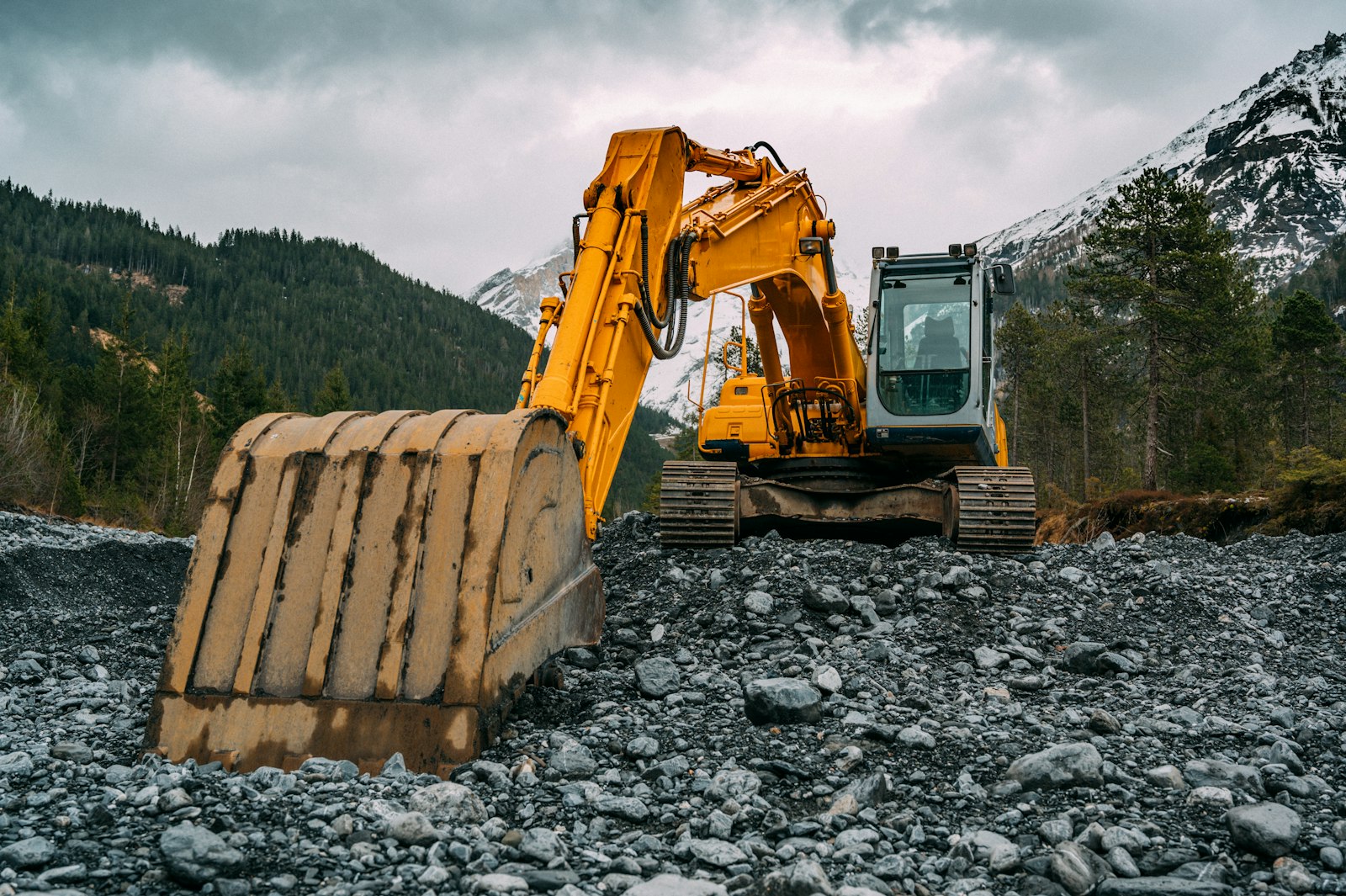
After a large wildfire destroys hundreds or thousands of homes, cleanup is a public health issue. Ash and debris can contain asbestos, heavy metals and other hazardous materials. Governments often organize consolidated wildfire debris removal programs, and homeowners have to decide whether to join or hire their own contractor. That choice affects how your insurance debris coverage is used.
How government debris programs work
In California, for example, debris removal after major wildfires usually happens in two phases:
- Phase 1: removal of household hazardous waste, typically by government agencies at no cost to owners.
- Phase 2: removal of structural debris, ash and contaminated soil, by government contractors for owners who opt in by signing a Right of Entry (ROE) form.
Other states set up similar programs after major fires. Details vary from fire to fire, so read the program materials for your area.
How debris coverage works in a standard policy
In the standard homeowners form, the reasonable cost of removing debris from covered property is included in the limit for that property. If the fire uses up the limit, the form adds up to 5% of that limit for debris removal. Some policies have a separate debris removal limit instead. Your declarations page and the additional coverages section of the policy tell you which you have. See debris removal coverage.
What happens to your insurance debris coverage
Government programs are not allowed to pay for something insurance already covers. When you sign an ROE, you typically agree to assign or turn over insurance proceeds intended for debris removal. In California programs:
- If your policy has a separate, specific limit for debris removal, you assign that coverage to the county, up to the program's actual cost.
- If debris removal is included within a larger coverage, like your dwelling limit, the county generally collects only what remains unused after you rebuild, if anything.
- You are not responsible for program costs above your insurance debris coverage.
- If you spend debris coverage on cleanup the program does not provide, those costs can usually offset what you owe the county.
Los Angeles County, for the 2025 fires, stated that government agencies pay all upfront Phase 2 costs and that it collects only insurance proceeds specifically for debris removal. The California Department of Insurance has published notices explaining how insurance interacts with these programs.
An example of the assignment
Illustrative numbers only. A homeowner's policy has a separate $40,000 debris removal limit. The county's contractor clears the lot, and the program's cost for that property comes to $100,000. The county collects the $40,000 debris coverage. The homeowner does not owe the $60,000 difference. The California Department of Insurance used a similar example in a January 2025 notice to make the point that the shortfall is not the owner's debt. If the same homeowner had already paid a private company $5,000 to remove a burned shed the program did not cover, that receipt can usually be offset against what the county collects.
Opting in vs opting out
Opting in usually means no out-of-pocket cleanup cost beyond your insurance debris coverage, and the program handles hazardous materials and testing. It can be slower, and you have less control over timing and contractors.
Opting out lets you hire your own contractor and possibly start rebuilding sooner. You must meet the same cleanup and testing standards, and you pay any costs above your insurance coverage. Private debris removal can use up debris coverage quickly, and in a standard policy debris removal can eat into your dwelling limit.
Questions to ask before deciding
- Does my policy have a separate debris removal limit, or is it inside the dwelling limit?
- How much extra debris coverage is available if the limit is exhausted?
- What would a private contractor charge, including hazardous materials, testing and soil removal?
- How long is the program expected to take for my property?
- Are trees, foundations, retaining walls, pools and vehicles included?
Burned trees and landscaping
The standard homeowners form covers trees, shrubs and plants damaged by fire, up to 5% of the dwelling limit in total and no more than $500 for any one tree, shrub or plant. Removing fallen tree debris has its own small limit in specific situations. Programs do not always remove standing dead trees, and the rules change from fire to fire. Ask the program which trees it will take down, and get an arborist's report for any trees you plan to claim.
Vehicles
Burned vehicles are often removed as part of the program. Auto policies may have their own vehicle removal coverage, which may also be assigned.
Contents and living expenses during cleanup
Your contents and living expense claims do not have to wait for the lot to be cleared. Several western states now help owners whose homes were a total loss in a declared disaster. In California, since January 2026, the insurer must pay 60% of the contents limit, up to $350,000, without an itemized inventory. Colorado sets 65% and Oregon requires insurers to offer 70%. See additional living expenses and building a contents inventory.
Keep the claim moving
Debris removal is only one part of a total loss claim. Keep working on the dwelling, contents and living expense parts at the same time. See total loss house fire and rebuilding after a house fire.
Common questions
Will a government debris program take all my insurance money?
No. Programs generally collect only the insurance proceeds intended for debris removal, and only up to the program's cost.
Can I hire my own debris contractor instead?
Yes, if you opt out, but you must meet the same cleanup standards and pay any costs above your coverage.
Do I owe the county if my debris coverage was spent on other cleanup?
Costs you spent on cleanup not covered by the program can usually offset what you owe. Keep receipts.
Does debris removal reduce my dwelling limit?
In the standard form, debris removal is part of the limit for the damaged property, with an extra 5% available if that limit is used up. Some policies have a separate debris limit.
What if the program costs more than my debris coverage?
In California programs, you do not owe the difference. The county collects only the insurance proceeds meant for debris removal.
Help after a wildfire
ClaimWarriors reviews debris coverage and total loss claims after wildfires. See the wildfire claim guide, or contact us for a claim review.
Examples are illustrative. This article is general information, not legal advice. Program rules vary by fire and jurisdiction; read your Right of Entry form carefully. Last reviewed November 2026.




