

Mold After a House Fire: Firefighting Water, Coverage and Deadlines

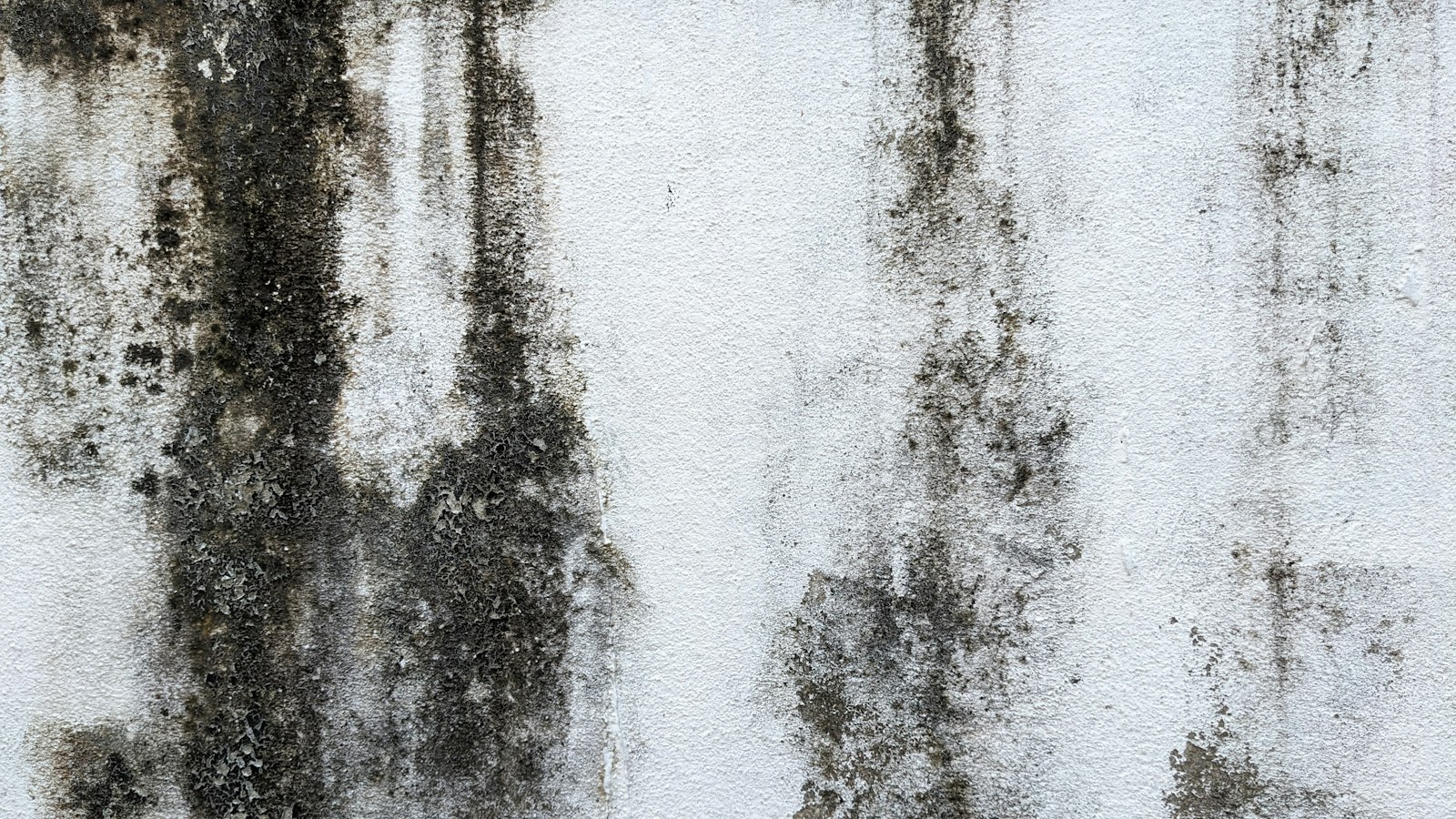
A house fire is put out with a lot of water. That water soaks into drywall, insulation, subfloors and furniture, and if it is not dried quickly, mold can follow. Mold after a house fire is a common and avoidable problem, and how it is handled can affect your insurance coverage.
Why mold follows a fire
Firefighting hoses can put thousands of gallons of water into a home. Water runs into wall cavities and between floors, and soaks porous materials. Add warm temperatures and a house closed up with boards and tarps, and mold can begin growing within 24 to 48 hours, according to the EPA's general guidance on mold.
The key: fast drying
Your policy requires you to take reasonable steps to protect the property from further damage after a loss. Prompt water extraction and drying is part of that. Within the first days after the fire:
- Have a restoration company extract standing water and set up drying equipment.
- Remove saturated materials that cannot be dried, such as soaked insulation and carpet pad.
- Open wall cavities where water collected, if needed, after photographing them.
- Keep drying logs showing moisture readings over time.
The insurer covers reasonable costs of these emergency repairs. Keep every invoice and the drying logs. See the fire damage restoration process.
Is mold after a fire covered?
It depends on your policy and on how the mold happened. Many homeowners policies exclude mold, fungus or wet rot, or limit coverage for it to a small dollar amount by endorsement. At the same time, water damage caused by firefighting is generally treated as part of the fire loss, because it results directly from putting out a covered fire.
In practice, that leads to two different situations:
- Mold prevented or removed as part of the fire repairs: drying and removing wet materials promptly is part of the fire claim.
- Mold that grew because drying was delayed: the insurer may argue the mold resulted from failure to mitigate, or apply a mold exclusion or sublimit.
If the delay was caused by the insurer, such as waiting weeks for an inspection before allowing drying, document it. That can change the analysis.
What to do if mold appears
- Photograph it and notify the insurer in writing right away.
- Ask whether the policy has a mold exclusion or a mold sublimit, and request the language.
- Get a professional assessment of the extent and cause, and ask whether it is linked to firefighting water.
- Do not disturb large areas of mold yourself. Remediation should follow professional guidelines with containment.
- Keep living expenses in mind if mold makes the home unfit to live in. See is it safe to stay in a smoke-damaged house.
Hidden mold found during repairs
Mold behind walls is sometimes found when demolition begins. Document it before it is removed and submit it as a supplement, with an explanation of how it relates to the fire. See insurance claim supplements after a fire.
Smoke plus water
Water combined with soot can make cleaning harder and spread residue into porous materials. Materials that were both smoked and soaked are more likely to need replacement than cleaning. See the smoke damage claims guide.
Mold limits in the policy
If your policy has a mold endorsement, read it closely. Many cap mold coverage at a small fixed dollar amount. Check what the cap includes: remediation only, or also testing, tear-out and the repairs that follow. Check whether it applies per loss or per policy period. And check how it defines mold. An insurer that applies a mold cap to all water-related work after a fire may be reading it too broadly. Water damage from firefighting is part of the fire loss, whatever the mold cap says.
Drying records that protect you
The best defense against a mold dispute is a good drying file. Ask the restoration company for:
- A moisture map showing wet areas when work started.
- Daily moisture readings for each area until it is dry.
- An equipment log showing what was set up, where and for how long.
- Photos of opened cavities and removed materials.
- A final reading showing materials reached a dry standard.
Professional water damage restoration generally follows the IICRC S500 standard. Ask whether your contractor follows it.
When mold testing helps
The EPA's general guidance is that sampling is usually not necessary when mold is visible. Testing is more useful to define how far hidden growth extends, to support the scope of removal, and to confirm after remediation that the work succeeded. If testing is done, use someone independent of the remediation company.
Common questions
How fast can mold grow after a fire?
Mold can begin to grow within 24 to 48 hours on wet materials. Fast drying is the best prevention.
Will insurance pay for mold caused by firefighting water?
Mold that results from a covered fire is often covered as part of the loss, though many policies limit mold coverage. Report it immediately.
Should I test for mold after a fire?
If water was used or materials stayed wet, testing and moisture mapping can document the problem. See testing after a fire.
Who pays if the restoration company did not dry the house properly?
Report it to the insurer and the company in writing. Mold caused by poor drying work may be the contractor's responsibility, and its liability insurance may respond. Keep the drying logs and photos.
Can I stay in a house with mold after a fire?
It depends on how much mold there is and who lives in the home. People with allergies, asthma or weakened immune systems are more sensitive. If mold makes the home unfit to live in, ask about additional living expenses.
Help with water and mold after a fire
ClaimWarriors documents firefighting water damage and drying from the start, so mold issues are handled as part of the fire claim. See our fire claim services, or contact us for a claim review.
This article is general information, not legal, medical or technical advice. Mold coverage varies widely by policy. Last reviewed November 2026.




