

Smoke Damage Insurance Claims: Coverage, Testing and Cleaning Decisions

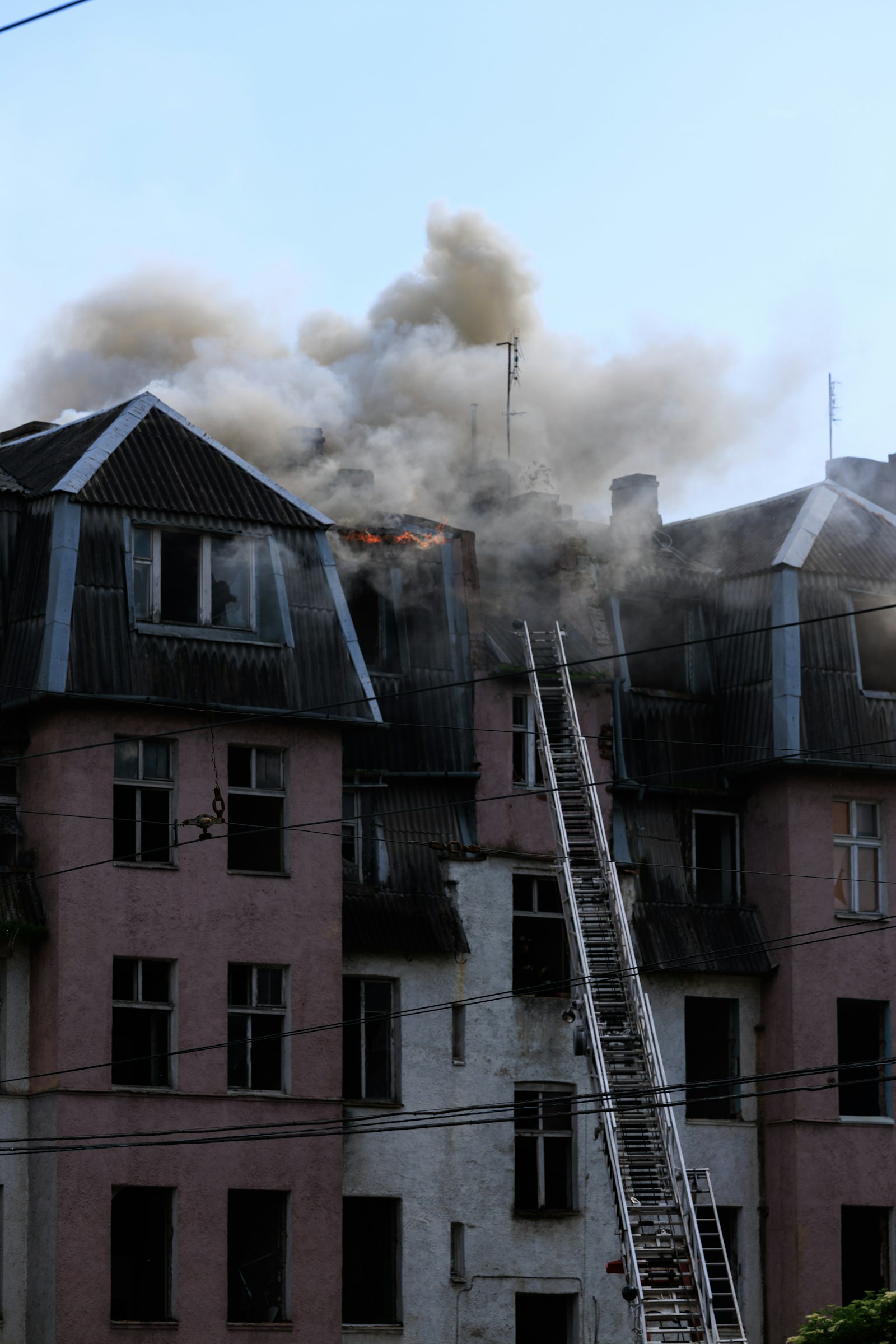
Smoke is covered by almost every homeowners policy. The standard HO-3 form lists smoke as a covered cause of loss for your belongings, and it covers sudden and accidental smoke damage to the building. So the fight in a smoke damage insurance claim is usually about how much damage there is, where it went, and whether the fix is cleaning or replacement, rather than whether smoke is covered.
This guide explains how those decisions get made, what evidence moves them, and how to tell whether the scope you were offered is complete.
What smoke actually does to a house
Smoke from a structure fire carries fine particles of soot, char and ash, along with acidic gases and chemical residues from burned plastics, foams, wiring and finishes. Those residues settle on surfaces, get pulled into wall cavities and attics by pressure differences, and circulate through the HVAC system if it ran during or after the fire.
Because of this, smoke damage is often found well away from the burned room: on the far side of the house, inside closets and cabinets, in insulation, and in ductwork. A scope that stops at the doorway of the fire room is almost always incomplete.
Common problem areas have their own guides: walls and ceilings, HVAC and ductwork, clothes, furniture and electronics.
How insurers decide: clean or replace
Most smoke damage disputes come down to one question for each item: can it be restored to its pre-loss condition, or does it need replacing? The usual pattern looks like this.
- Hard, non-porous surfaces (glass, sealed tile, metal) are usually cleaned.
- Semi-porous surfaces (painted drywall, finished wood) are cleaned, then sealed and repainted or refinished. Whether cleaning works depends on how heavy the residue is.
- Porous materials (insulation, carpet and pad, upholstery, mattresses, unfinished wood, some clothing) absorb smoke and odor. Cleaning may not restore them, and replacement is often justified.
- Electronics and appliances can suffer corrosion from acidic residues that does not show for weeks. Many need professional cleaning or evaluation rather than a wipe-down.
The insurer's estimate will often assume that everything can be cleaned. The burden shifts to you to show where cleaning will not work. That is where testing and documentation come in.
Testing: what it proves and who pays
Testing is done by an industrial hygienist or trained field tester. Common methods include tape lifts and wipe samples from surfaces, micro-vacuum samples, bulk samples of insulation, and samples from HVAC components. A lab then reports the percentage of soot, char and ash particles in each sample, and in some cases metals such as lead or arsenic and other combustion residues.
Two things matter about testing:
- Test the thing you want replaced. If you are asking for new attic insulation, you need a sample from the attic insulation, not from a windowsill. Courts have rejected insulation claims where no one sampled the insulation itself.
- Ask about clearance testing. Testing after cleaning shows whether the cleaning actually worked. Without it, a house can look clean and still carry residue.
Insurer-hired hygienists sometimes work to a limited scope set by the insurer, such as a small number of samples for a large home. You are entitled to ask for the sampling plan in writing and to get your own testing if the plan is too narrow. In California, the new Smoke Damage Recovery Act (AB 1795), signed in September 2026 and taking effect January 1, 2027, requires insurers to pay for necessary testing and sampling on wildfire smoke claims and sets inspection and payment deadlines. Our article on wildfire smoke damage when your house didn't burn covers that law.
See smoke damage testing after a fire for what to sample and who pays.
What a complete smoke damage scope includes
When you review the insurer's estimate, check that it addresses each of these areas, not just the room where the fire started.
- Cleaning or replacement of ceilings, walls and trim in every affected room, with sealing and repainting where cleaning alone will not stop odor.
- Attic: insulation, framing and the underside of the roof deck.
- Wall cavities near the fire and along paths where smoke traveled.
- HVAC: duct cleaning, and replacement of flex duct, filters and contaminated components. See our guide to smoke smell after restoration for why ducts are a common source of returning odor.
- Cabinets inside and out, closets, and the contents stored in them.
- Flooring: carpet and pad are often replaced rather than cleaned.
- Windows, window tracks, light fixtures and electrical devices.
- Deodorization (thermal fogging, hydroxyl or ozone treatment) as a final step, not a substitute for removing the source.
- Contents cleaning, pack-out, storage and pack-back, plus replacement of items that cannot be restored.
Documentation that strengthens a smoke claim
- Photos and video of every room, including close-ups of residue on light switches, outlet covers, window tracks and the tops of door frames.
- A written description of the odor in each room and how it changes when the HVAC runs or the weather is humid.
- Testing reports, with the sampling locations marked on a floor plan.
- The restoration company's scope and any notes about items it could not clean.
- Health complaints from occupants, documented with dates, if they arise.
Smoke from a fire that was not in your home
Smoke damage does not require a fire in your house. A fire in a neighbor's home, an attached unit or a nearby building can cause a claim under your own policy. See smoke damage from a neighbor's fire. Wildfire smoke raises its own coverage arguments, covered in our wildfire insurance claims guide.
An oil furnace misfire can also coat a house in soot without any fire. See furnace puffback claims.
How to push back on an incomplete smoke scope
- Ask the adjuster, in writing, what cleaning method and standard the estimate assumes for each area. The industry standard for fire and smoke restoration is ANSI/IICRC/RIA S700.
- Send a written list of areas the estimate leaves out, with photos.
- Request the insurer's hygienist report and sampling plan, if one was done.
- If odor or residue remains after cleaning, report it in writing promptly and ask for re-cleaning or replacement.
- If you and the insurer disagree on the amount of loss, the policy's appraisal clause may resolve it.
Common questions
Is smoke damage covered by homeowners insurance?
Yes. Smoke is a covered peril in standard homeowners policies, even when flames never reached your home. The exclusions are narrow, such as smoke from agricultural smudging or industrial operations.
Is it safe to live in a house with smoke damage?
It depends on how much residue is present and who lives there. See is it safe to stay in a house with smoke damage.
Can smoke damage lead to mold?
Smoke itself does not, but water used to fight the fire can. See mold after a house fire.
Get help with a smoke damage claim
Smoke claims are where a careful scope makes the biggest difference, because so much of the damage is easy to miss. ClaimWarriors represents policyholders in fire, smoke and lightning damage claims. If you believe your smoke damage estimate is incomplete, contact us for a claim review.
This article is general information about property insurance claims, not legal advice. Policy wording and state law control your claim. Last reviewed November 2026.




