Smoke Damage Testing After a Fire: When You Need It and Who Pays

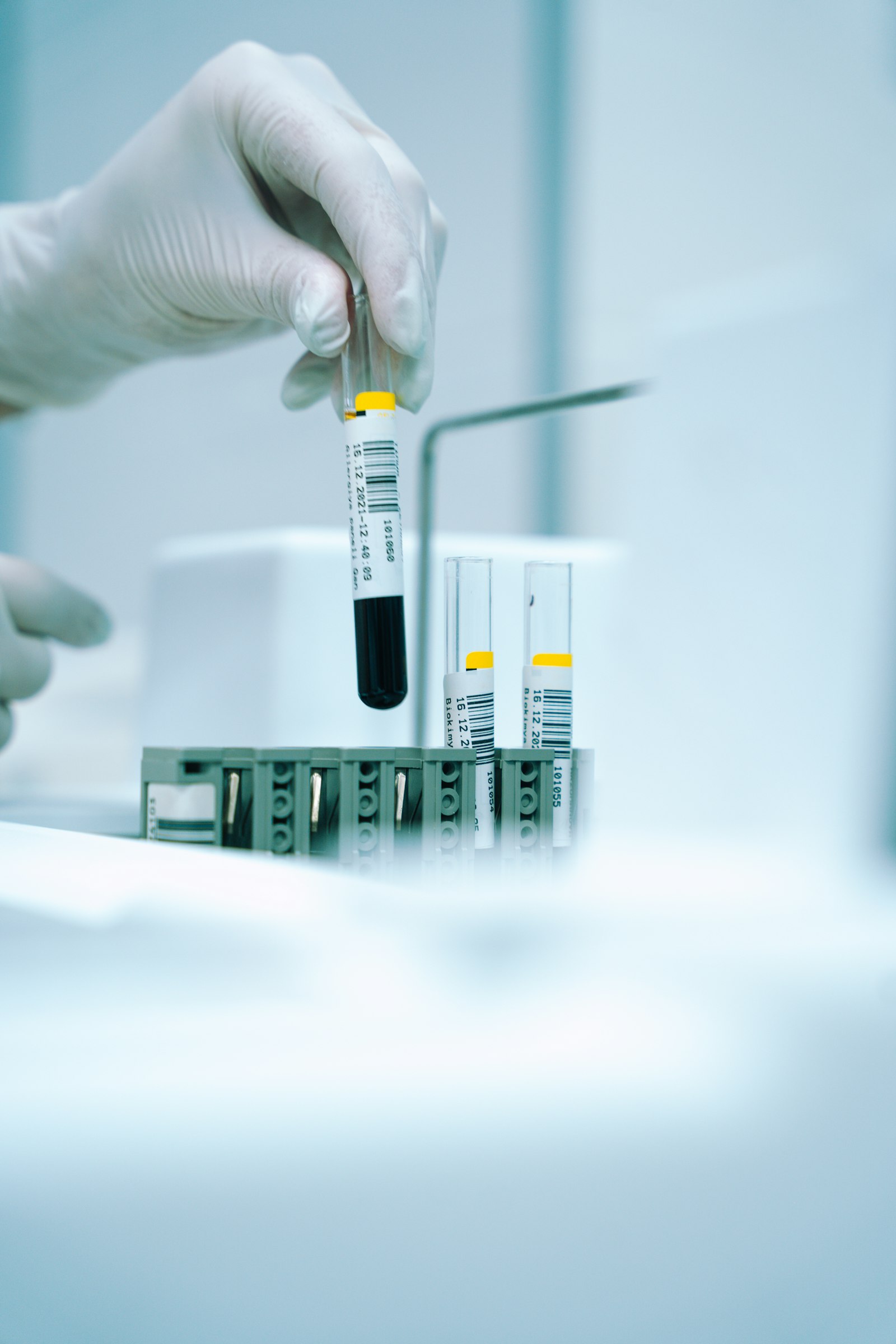
In many smoke claims, the insurer and the homeowner look at the same room and disagree about whether it is contaminated. Testing settles that kind of argument with evidence. Smoke damage testing is not needed for every fire, but in disputed or heavy smoke claims, and especially after wildfires, it often decides the outcome.
When testing makes sense
- The insurer says the home only needs light cleaning, but you see residue or smell smoke throughout.
- You are asking for insulation, ductwork or other hidden materials to be replaced.
- The fire was nearby (a neighbor or wildfire) and the insurer questions whether smoke entered your home.
- Odor or symptoms persist after cleaning.
- Household members are sensitive to contamination: young children, pregnancy, lung or heart conditions.
Who does the testing
Testing is usually done by an industrial hygienist (often a certified industrial hygienist, or CIH) or a trained field technician working under one. Samples go to an accredited laboratory. Choose someone independent who will give you a written sampling plan and a report with methods, locations and lab results.
What gets sampled
- Surface samples using tape lifts or wipes, analyzed under a microscope for soot, char and ash particles.
- Micro-vacuum samples from surfaces and porous materials.
- Bulk samples of insulation, carpet or other materials.
- HVAC samples from ducts, the air handler and coils.
- Metals and chemical residues where appropriate, such as lead after fires that burned many homes or vehicles.
- Air samples in some cases, though surface sampling is more common for smoke residue.
The single most important rule: sample the material you want replaced. A court in Oregon rejected a homeowner's claim for new attic insulation in part because no one sampled that insulation. Results from a windowsill do not prove the attic is contaminated.
Before and after cleaning
- Pre-cleaning testing establishes what is there and guides the cleaning protocol.
- Post-cleaning (clearance) testing shows whether the cleaning worked. Without it, a home can look clean while residue remains.
Ask for both on significant smoke claims, and ask the insurer to agree in writing that clearance testing will be done before the job is considered complete.
Who pays for testing
When testing is reasonably necessary to determine the scope of a covered loss, policyholders argue it is part of the cost of the claim, and insurers frequently pay for it, especially when they hire the hygienist themselves. Disputes arise when the insurer's hygienist uses a limited sampling plan, or the insurer refuses to pay for the policyholder's own testing.
California has gone further for wildfire smoke claims. Under the Smoke Damage Recovery Act, effective January 1, 2027, insurers are responsible for necessary testing and sampling costs, and state agencies are directed to develop health-based testing and restoration standards. See wildfire smoke damage when your house didn't burn.
If you pay for testing yourself, keep the invoice and submit it with the results as part of your claim.
If the insurer's hygienist used a narrow plan
- Ask for the sampling plan, the full report and the lab data.
- Compare the areas sampled with the areas you are claiming.
- Ask in writing for additional sampling of the areas left out.
- If refused, consider your own testing and send the results to the insurer.
Using results in the claim
Attach the report to a written request that ties each finding to a line item in the scope: clean, seal, replace. Results are most persuasive when they map directly to the work requested. See the smoke damage claims guide and smoke damage in HVAC.
Choosing an independent industrial hygienist
The person who tests should not profit from the cleanup. Look for an industrial hygienist with no financial tie to the restoration company that will do the work, and ask:
- Are you, or the person supervising the work, a certified industrial hygienist?
- Which laboratory will analyze the samples, and is it accredited, for example through the AIHA Laboratory Accreditation Programs?
- Will you give me a written sampling plan before you start?
- Will the report include sample locations, photos, chain of custody and the full lab results?
Reading the lab report
Lab reports for smoke residue often show, for each sample, the share of particles identified as soot, char or ash. Results from affected rooms are more persuasive when they can be compared with samples from areas the smoke did not reach, or with typical background levels. There is no single national standard yet for what level of smoke residue is acceptable in a home. California has directed its environmental agency to develop health-based standards for wildfire smoke. Until those exist, the hygienist's interpretation, in writing, matters as much as the numbers.
Testing contents
Testing can also help with belongings. A hygienist can sample representative items, such as upholstery, mattresses or clothing from different rooms, to support decisions about whole categories. That is often more practical than arguing item by item. See smoke-damaged furniture and smoke-damaged clothes.
Common questions
How much does smoke damage testing cost?
Costs vary with the size of the home and the number of samples. Ask for a written quote and sampling plan before testing starts.
Can I use my own industrial hygienist?
Yes. If the insurer's sampling plan is too narrow, independent testing can support your claim. Submit the report and invoice to the insurer.
What does clearance testing show?
Testing after cleaning shows whether residue was actually removed. It is the best evidence that cleaning worked, or did not.
Can my restoration company do the testing?
It is better to use an independent hygienist. When the same company tests and then gets paid for the cleanup, the insurer can question the results.
Will testing delay my claim?
Sampling usually takes a day or less, and the lab then needs time to analyze samples. Ask the insurer in writing to keep living expenses and emergency work moving while results are pending.
Help with smoke testing and your claim
ClaimWarriors coordinates testing with independent hygienists and uses the results to support the scope of smoke claims. Contact us for a claim review.
This article is general information, not technical, medical or legal advice. Last reviewed November 2026.