Smoke Damage to Clothes and Textiles: What Insurance Should Pay For

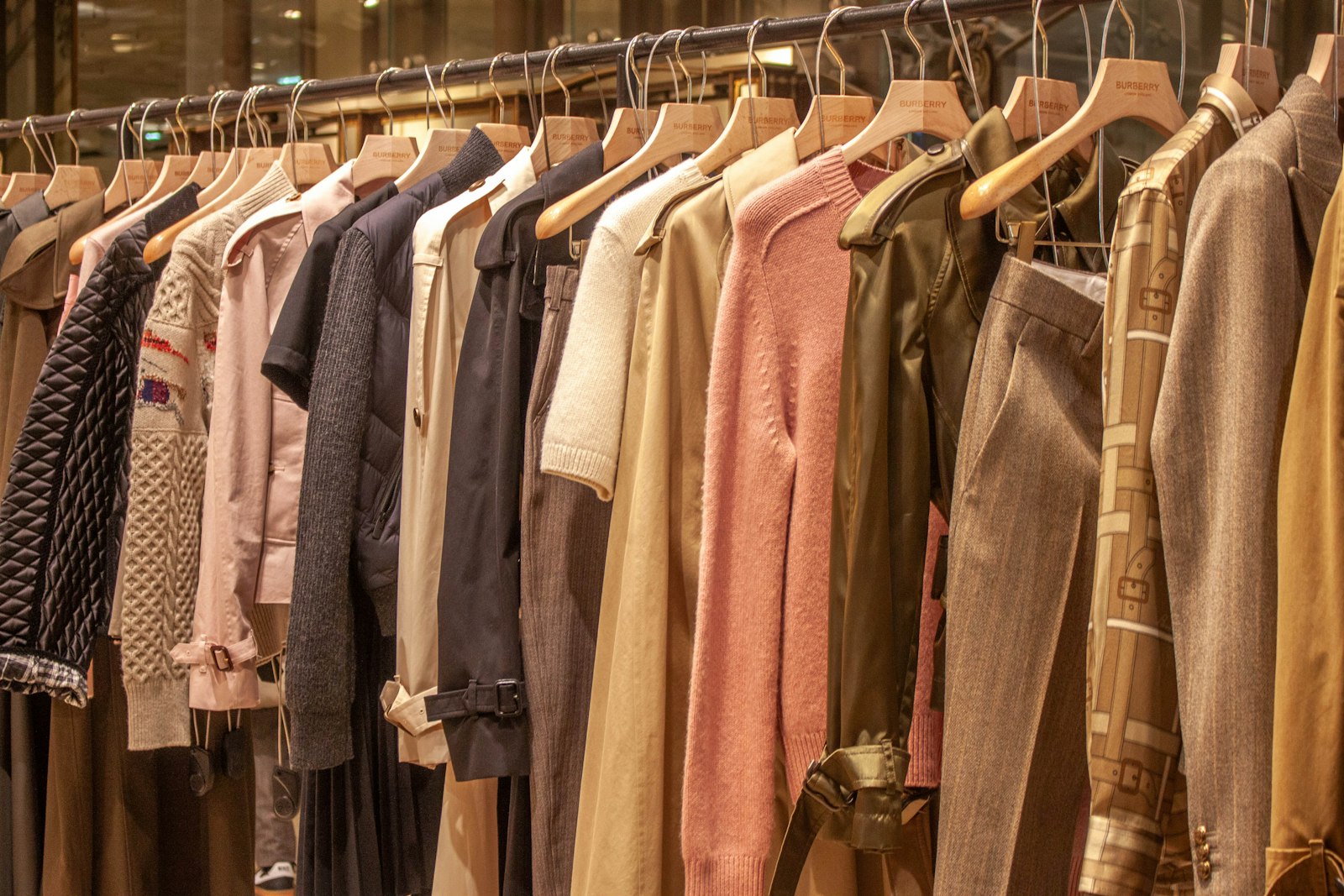
Clothing, bedding, curtains and other fabrics absorb smoke quickly. After a house fire, closets full of clothes can smell strongly of smoke even if the fire never reached them. The question for your claim is whether smoke damage to clothes can be cleaned out, and who pays for that cleaning, or whether items need to be replaced.
Can smoke-damaged clothes be saved?
Often, yes, if the damage is limited to odor and light soot. Professional textile restoration, using specialized washing, dry cleaning and deodorization methods, can restore many garments. Items are less likely to be saved when:
- They have visible soot staining that does not come out.
- They were exposed to heat, melting or scorching.
- They were soaked by firefighting water and mildewed.
- They are delicate fabrics that cannot tolerate the cleaning methods needed.
- Odor remains after professional cleaning.
Washing at home: be careful
Washing heavily smoked clothes in a home machine can spread soot to other items and to the machine. Hot water and dryer heat can set stains and odor. If you need a few items urgently, wash them separately and keep a record. For the rest, wait for the insurer and the restoration company, and photograph everything before cleaning.
How insurers handle textiles
Insurers usually start with cleaning. A contents restoration company packs out the clothing, cleans it and returns it, and the insurer pays the cleaning bill. Items the company cannot restore are listed as non-salvageable and added to the contents claim.
That approach is fine when it works. Problems arise when:
- Items come back still smelling of smoke.
- Items come back stained, shrunk or damaged by cleaning.
- The cleaning cost of inexpensive items exceeds their replacement value.
In all of these cases, replacement is the reasonable result. Your policy covers the loss, and an item that has not been restored to its pre-loss condition is still a loss.
What to do when clothing comes back
- Inspect and smell each item as soon as it is returned, before putting it away.
- Separate any items that still smell, are stained or were damaged.
- Photograph them and list them with descriptions.
- Notify the restoration company and the adjuster in writing within a few days.
- Ask for re-cleaning or for the items to be added to the contents claim.
Do not sign a contents return or completion form until you have inspected everything.
Clothing in the inventory
Clothing is one of the largest contents categories in most fire claims and one of the hardest to inventory. List it by person and category (work, casual, outerwear, shoes, accessories), with quantities, brands and approximate ages. See the house fire inventory list guide. Insurers often apply heavy depreciation to clothing. If you have replacement cost coverage, you can recover that depreciation once you replace items. See depreciation on fire-damaged contents.
Immediate needs
If your family needs clothes right away, ask the adjuster for a contents advance. See advance payments on a fire claim.
Other textiles
The same principles apply to curtains, bedding, rugs and upholstered furniture. See smoke-damaged furniture and mattresses.
Which fabrics are hardest to restore
Not every item reacts to smoke the same way. Cotton and linen usually clean well. Synthetic fabrics, such as polyester and nylon, tend to hold odor. Wool, silk and leather need specialist cleaning and often cannot be washed at all. Items with foam, padding or insulation, like coats, bras and sports gear, trap smoke inside where washing cannot reach. Ask the restoration company to note fabric type and results for higher-value items so you can see why something was or was not restored.
Uniforms, children's clothing and special items
Some clothing is more than everyday wear. Work uniforms, school uniforms, costumes, wedding dresses and christening clothing all need separate attention. Price uniforms and specialty items at real replacement cost, including any embroidery or fitting. Children's clothing is often outgrown quickly, so list what each child actually had in their current size. For items with sentimental value, ask whether specialist restoration is possible before anything is discarded.
Practical tips for inventorying a closet
Use online order history and store loyalty accounts to fill gaps and confirm prices. Old photos of family members wearing items are useful evidence. Count similar items together, such as 12 dress shirts or 6 pairs of jeans, rather than describing each one. Some states require insurers to accept grouped inventories after declared disasters. See the house fire inventory list.
Shoes, bags and accessories
Leather shoes, handbags and belts absorb odor and can be hard to restore. Ask the restorer to assess them separately from clothing. Jewelry and watches are handled under different rules. See jewelry lost in a fire.
Closets far from the fire
Adjusters sometimes treat closets in distant rooms as unaffected. Smoke travels through ducts, stairwells and gaps under doors, and closed closets can trap it. Open each closet, smell the clothing and photograph any soot on shoulders, shelves and hangers. If you are not sure, ask the restoration company to test a sample of items from that closet.
Clothing soaked by firefighting water
Wet clothing can start to mildew within a day or two. If clothes were soaked, tell the restoration company so they are picked up first, or spread them out to dry in a ventilated area if pickup will take time. Photograph wet items before moving them. Mildew damage that follows firefighting water is part of the fire loss, but a long delay can give the insurer room to argue.
Common questions
Can I wash smoke-damaged clothes at home?
For lightly affected items, sometimes. But home washing can set odor and soot permanently, and heavily affected items need professional cleaning. Ask your insurer before washing large amounts.
Will insurance pay for new clothes right away?
Many insurers will advance money for immediate clothing needs. Ask for an advance. See advance payments.
What if clothes still smell after cleaning?
Report it. Items that cannot be restored to pre-loss condition should be replaced under the claim.
Does insurance pay for dry cleaning after a fire?
Yes. Cleaning smoke-damaged clothing is part of the contents claim. Keep receipts if you pay a dry cleaner yourself.
Should I throw away smoke-damaged clothes?
Not before they are documented and the adjuster has had a chance to see them. Photograph items and list them first.
Help with your contents claim
ClaimWarriors tracks pack-out, cleaning and returned items so nothing that failed cleaning is left out of the claim. See the smoke damage claims guide, or contact us for a claim review.
This article is general information, not legal advice. Last reviewed November 2026.