Smoke Damage to Furniture and Mattresses: Restore or Replace?

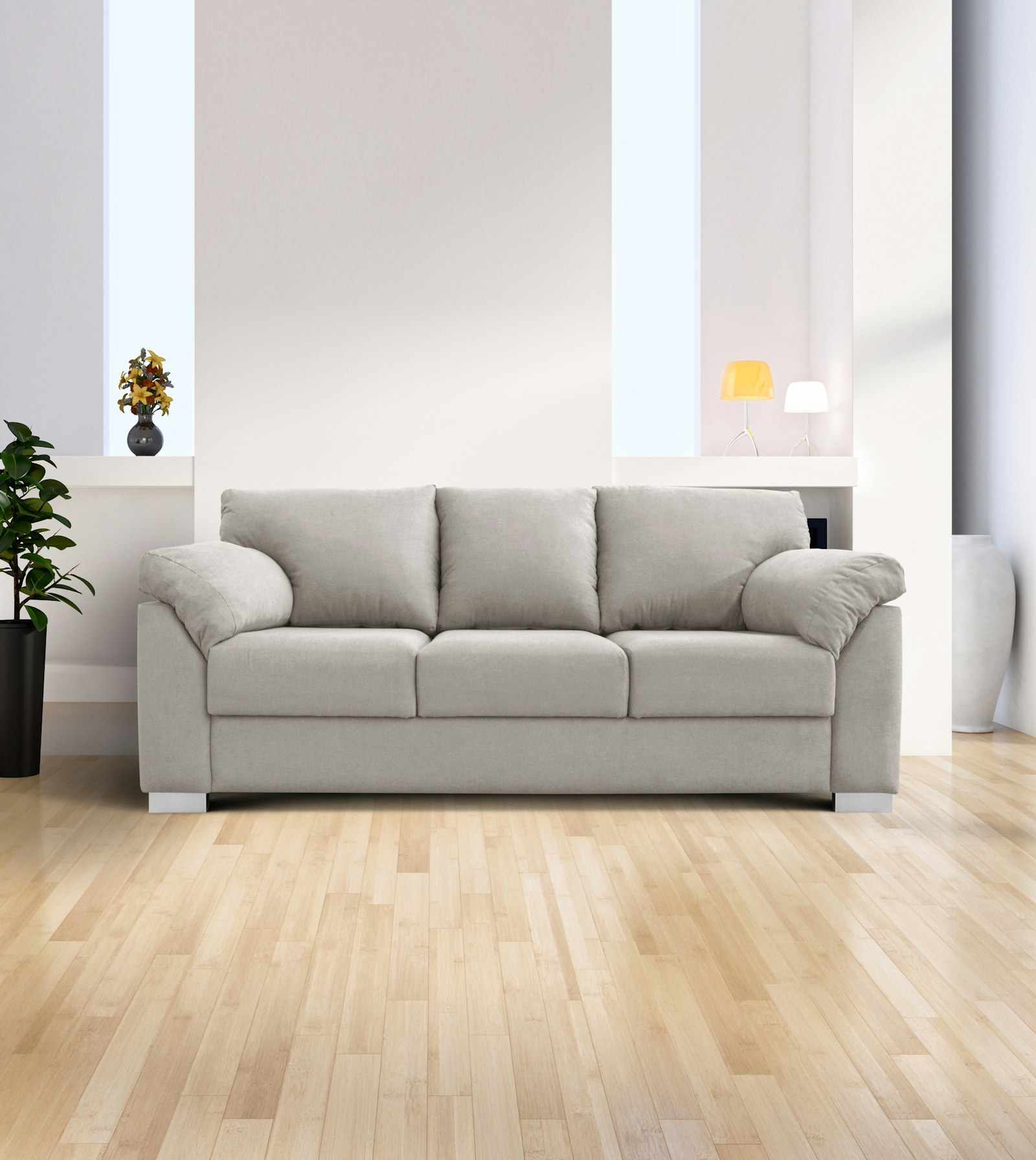
Furniture is where smoke damage gets complicated. A solid wood table may clean up well. A sofa or mattress may hold smoke odor deep in its foam and fabric long after the surface looks clean. After a house fire, the question for each piece of furniture is whether it can be restored to its pre-loss condition, and smoke damage to furniture often depends on what the piece is made of.
Hard furniture: wood, metal and glass
Solid wood, metal and glass furniture can often be restored. Typical steps are:
- Dry soot removal with chemical sponges and HEPA vacuuming.
- Cleaning with products suited to the finish.
- Deodorization, including inside drawers and the backs and undersides of pieces.
- Refinishing where the finish is stained or damaged by heat or cleaning.
Restoration is less likely to work for veneer or particleboard furniture that was soaked by firefighting water or exposed to heat, and for pieces where the cost of refinishing exceeds their value.
Upholstered furniture
Sofas, chairs and headboards have fabric, padding and foam that absorb smoke. Professional upholstery cleaning and deodorization can work for light exposure. For heavier exposure, odor often remains in the foam. Replacement is usually justified when:
- Smoke odor remains after professional cleaning.
- Fabric is stained, scorched or damaged by cleaning.
- The piece was soaked and is at risk of mold.
- The cost of reupholstering exceeds the value of the piece.
Mattresses and bedding
Mattresses and pillows are difficult to clean of smoke because of their thick foam, fiber and fabric layers. Most restoration companies treat them as non-salvageable after significant smoke exposure, and many insurers agree. Mattresses that were wet from firefighting are generally not salvageable. Bedding often can be laundered professionally; see smoke-damaged clothes and textiles.
Antiques and valuable pieces
Antiques, heirlooms and high-end furniture may justify specialized restoration even when cost is high, because replacement with something of like kind and quality is difficult. Get a written assessment and estimate from a qualified furniture restorer, and an appraisal if value is in dispute. Keep any documentation of purchase or provenance.
How to document furniture for the claim
- Photograph each piece in place before pack-out, including tags or labels showing the maker.
- Note the material, size, maker, age and condition.
- Keep the restoration company's assessment of what is salvageable.
- Inspect returned pieces before accepting them, including smelling cushions and drawers.
- Report any piece that still smells or was damaged by cleaning in writing, with photos.
Pricing replacements
Replacement should be with furniture of like kind and quality. A sofa from a premium brand is not replaced with the cheapest version available. Use current prices for comparable items and keep the source links. See the house fire inventory list guide and depreciation on fire-damaged contents.
Common disputes
- "It can be cleaned" before anyone has tried. Ask the insurer to pay for cleaning and agree in writing that items that fail cleaning will be replaced.
- Cleaning costs that exceed value. Ask for replacement instead.
- Odor judged acceptable by someone who does not live there. Document odor with an odor log and statements from other household members.
What kind of smoke hit the furniture
The type of fire changes what is left behind. Burning wood and paper usually leaves dry, powdery soot that brushes off more easily. Burning plastics and synthetic materials leave oily, black residue that smears and stains. Protein fires from burned food leave a thin film with a strong odor. Restoration companies choose their cleaning methods based on these differences, and the same differences explain why one sofa cleans up and another does not.
Built-ins are part of the house
Built-in bookcases, cabinets and window seats are part of the dwelling, not your contents. They belong in the building estimate, together with the walls around them. Make sure they do not fall between the two estimates.
Rugs, curtains and soft furnishings
Area rugs, curtains, blinds, throw pillows and blankets catch a lot of smoke because they sit in the airflow of a room. Rugs can often be cleaned by a rug specialist. Curtains and blinds may clean well or may need replacement, depending on the fabric. Wall-to-wall carpet is usually part of the dwelling estimate, while area rugs are contents. List soft furnishings room by room so none are missed.
Furniture sets and matching pieces
Dining sets, sectional sofas and bedroom suites raise a specific question when only part of the set is ruined. The standard homeowners policy has a pair or set clause. The insurer may repair or replace part of the set to restore it, or pay the difference between the value of the set before and after the loss. If a replacement chair cannot match the rest of the set, the loss in value of the whole set is the right measure. Ask the adjuster how it is applying the clause.
When the restorer and the insurer disagree
Sometimes your restorer says a piece cannot be restored and the insurer's vendor says it can. Ask both for their findings in writing, including the method they would use and how they checked the result. For high-value furniture, an independent restorer or appraiser can help. If the dispute is only about value, the policy's appraisal clause may apply. See insurance appraisal.
Pianos and specialty pieces
Pianos, grandfather clocks, pool tables and large aquariums need specialist movers and restorers. A piano exposed to smoke and humidity may need cleaning inside the case, regulation and tuning. Ask for a written assessment from a piano technician or the relevant specialist, and add the moving and restoration costs to the claim.
Common questions
Is it safe to keep smoke-damaged upholstered furniture?
If odor and residue cannot be fully removed, replacement is usually the right call, since smoke particles can remain in foam and fabric.
Will insurance replace a mattress after smoke damage?
Mattresses are hard to clean thoroughly and are often replaced when exposed to significant smoke or soot. Document the exposure and ask the adjuster.
How are antique pieces handled?
They may be restored by specialists or valued by an appraiser. Depreciation schedules often do not fit antiques. See depreciation on contents.
Who decides whether furniture can be restored?
Usually the restoration company recommends and the insurer decides. You can ask for the reasons in writing and get a second opinion on high-value pieces.
Is outdoor furniture covered after a fire?
Yes, patio furniture, grills and similar items on your property are personal property and are covered for fire and smoke damage.
Help with your contents claim
ClaimWarriors documents smoke-damaged furniture and presses for replacement when restoration does not work. See the smoke damage claims guide, or contact us for a claim review.
This article is general information, not legal advice. Last reviewed November 2026.