

Fire and Smoke Damage Restoration Cost: What Drives the Price and What Insurance Pays

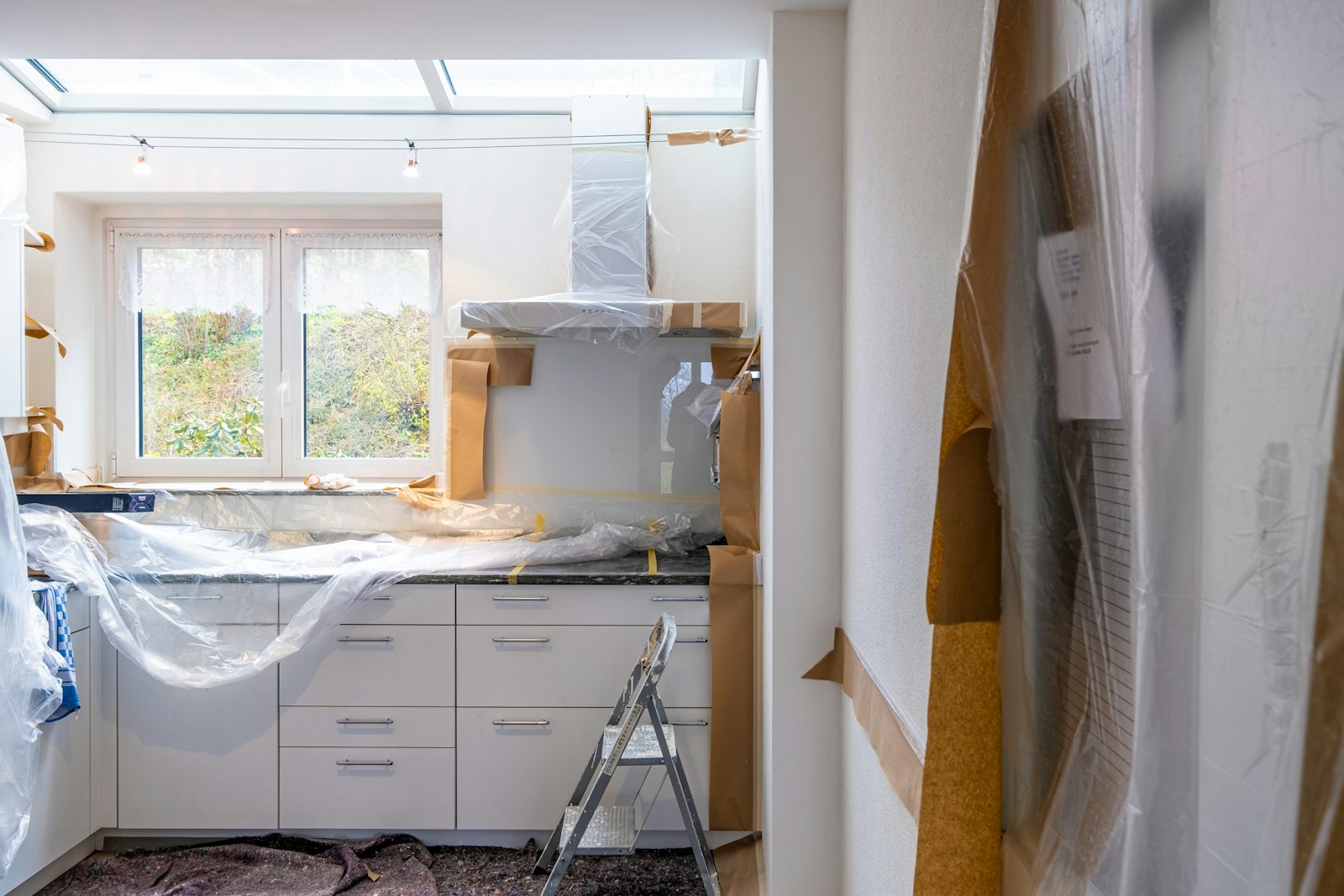
"How much will this cost?" is one of the first questions after a house fire. National cost guides give a starting point, but fire damage restoration cost varies more than almost any other home repair, because two fires of the same size can leave very different damage. Here is what published averages say, what drives the price on your job, and how your insurance company estimates the same work.
What national cost guides report
Home services sites publish averages based on projects reported by homeowners and contractors. For 2026:
- HomeAdvisor reports an average of about $27,500 for fire and smoke remediation, with a normal range of roughly $3,000 to $52,000, and some projects far above that.
- Angi reports fire damage restoration typically costs about $4 to $7 per square foot, with an average around $5.50 per square foot.
- Angi lists smoke damage restoration at about $200 to $1,200 per room, and air duct cleaning at about $250 to $500.
Treat those as rough context only. They mix small kitchen fires with major losses, and they rarely include full reconstruction, contents or code upgrades. A fire that requires rebuilding several rooms can cost many times the average.
What drives the cost
- How far smoke traveled. Smoke throughout the house means cleaning or replacing surfaces, insulation and ductwork far from the fire.
- What burned. Plastic and grease fires leave oily, acidic residue that is harder to clean than dry wood smoke.
- Water damage from firefighting and the drying needed to prevent mold. See mold after a house fire.
- Structural damage: charred framing, roof structure and floors.
- Contents: pack-out, cleaning, storage and replacement.
- Code upgrades required by the building department. See ordinance or law coverage.
- Local labor and material prices, and demand after a large disaster.
- Testing when contamination is disputed. See smoke damage testing.
How restoration is priced
Most restoration contractors and insurers price fire work with estimating software, usually Xactimate, which uses line items such as "clean walls," "seal ceiling," "remove and replace drywall" and "HEPA vacuum," multiplied by measured quantities and local unit prices. A whole-house price per square foot is a shortcut. The real number comes from the line items for each room.
What insurance pays
Your homeowners policy pays the reasonable cost to restore the home and contents to pre-loss condition, up to your limits, under the policy's settlement terms. In practice, the insurer's adjuster writes an estimate for the same work your contractor prices. The gap between them usually comes down to scope, not unit prices: rooms left out, cleaning where replacement is needed, missing HVAC work, missing contractor overhead and profit, or missing code items. See how to counter a lowball fire offer and how fire insurance claims are calculated.
Costs people forget
- Emergency board-up, tarping and fencing.
- Contents pack-out, storage and pack-back.
- Permits, plans and engineering.
- Debris hauling and dumpsters.
- Temporary power, utilities and site protection.
- Post-cleaning testing.
- Living expenses while the work happens.
Getting an accurate number for your home
- Get a line-item estimate from a contractor experienced in fire restoration.
- Compare it with the insurer's estimate room by room.
- Ask both to explain differences in scope, not just price.
- Document smoke spread and hidden damage with photos and, if needed, testing.
See the fire damage restoration process for the order of the work.
Overhead and profit
When a job needs several trades, such as demolition, framing, electrical, drywall, painting and flooring, a general contractor usually coordinates them. General contractors charge overhead and profit on top of the trade costs, often discussed as 10% plus 10%. Fire repairs almost always involve several trades, so a general contractor is usually reasonably needed. Courts in some states, including a well-known Pennsylvania decision, have held that overhead and profit is owed when a general contractor is reasonably likely to be needed. If the insurer's estimate leaves it out, ask why in writing.
Check the price list on the estimate
Estimating software uses price lists for a specific region and month. The estimate usually shows which price list was used. Check that it matches your area and is current. After a large disaster, local labor and material costs can rise quickly, and an estimate written on an older price list can come in low. If your contractor's bids show higher local prices, send them to the adjuster with the request to update.
Why two estimates for the same fire differ
When the insurer's estimate and your contractor's estimate are far apart, the reason is usually one of these:
- Rooms or areas left out entirely, such as the attic, crawlspace or garage.
- Cleaning listed where the material needs to be replaced.
- Missing steps, such as sealing before painting or detaching and resetting fixtures.
- Quantities measured differently, such as wall area versus floor area.
- Missing contractor overhead and profit or code items.
Go through the two estimates room by room and mark each difference. A short list of specific differences gets further than an argument about the total. See countering a lowball fire offer.
Common questions
How much does it cost to restore a house after a fire?
National guides report averages around $27,500 for fire and smoke remediation in 2026, with wide ranges. Your cost depends on smoke spread, water damage, structure and contents.
Does insurance pay the full cost of fire restoration?
Up to your limits and under your policy's terms. Disputes are usually about scope. See how to counter a lowball offer.
Why is my contractor's estimate higher than the insurer's?
Usually because of scope differences: rooms left out, cleaning versus replacement, HVAC, overhead and profit, or code items. Compare the estimates line by line.
Does the deductible come off the restoration cost?
Yes. The deductible is usually subtracted once from the covered loss, often from the first payment. It does not apply separately to each room or contractor.
Can I do some of the restoration work myself?
You can, but smoke cleaning and demolition need proper equipment and methods. If you do work yourself, agree with the insurer in advance how it will be paid, and document everything.
Help pricing your fire damage
ClaimWarriors prepares independent, line-item estimates of fire and smoke damage and negotiates them with insurers. See our case studies, or contact us for a claim review.
Cost figures are national averages from published 2026 cost guides (HomeAdvisor, Angi) and are not estimates for any specific home. This article is general information, not legal advice. Last reviewed November 2026.




