Smoke Damage to Electronics: Clean, Repair or Replace in a Fire Claim

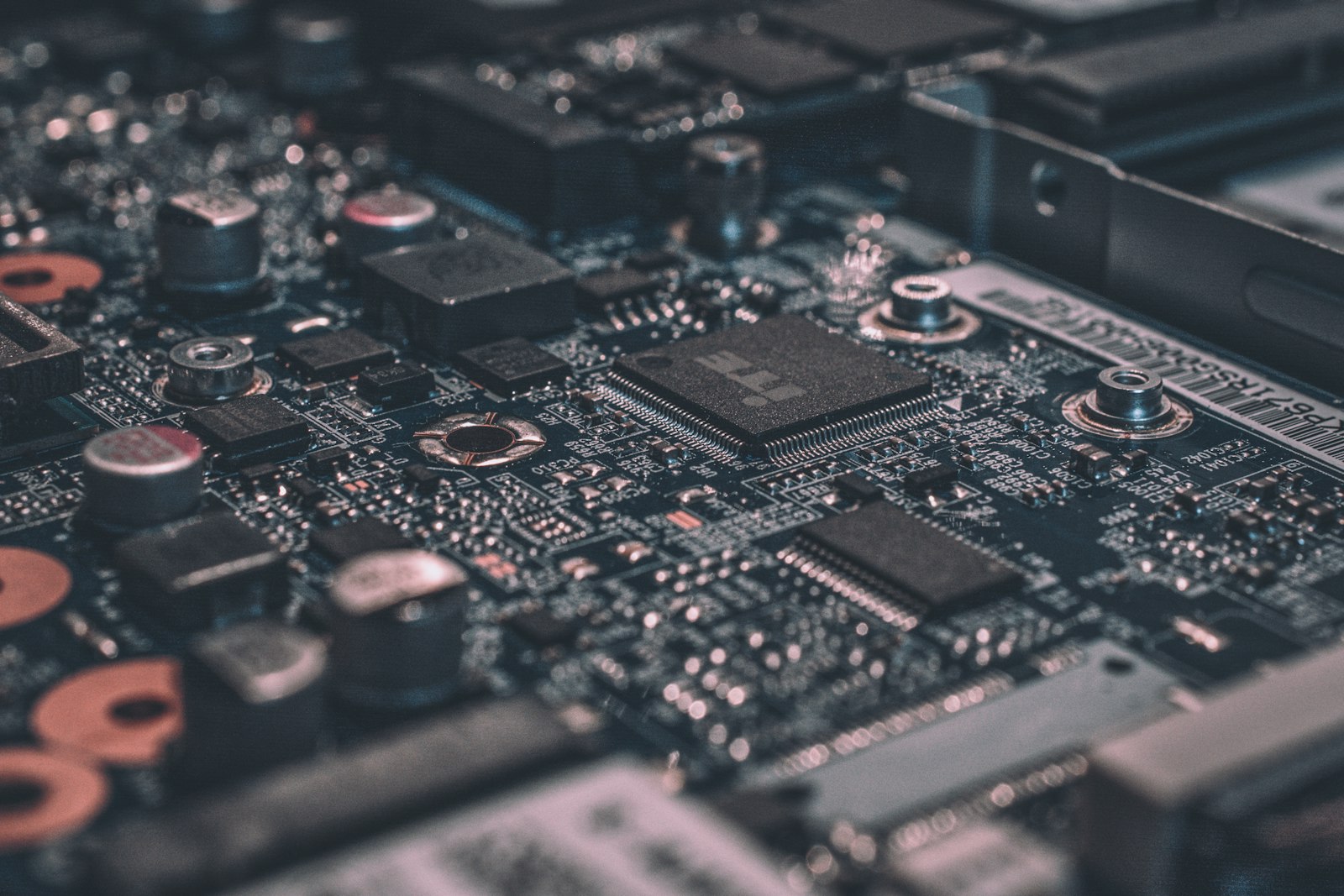
Can smoke damage electronics even if they never touched the flames? Yes, and often in ways you cannot see at first. A television, laptop or game console in a smoke-filled room may look fine after wiping the case, but soot and acidic residues inside can corrode circuit boards and connectors over the following weeks. That is why electronics deserve special attention in a fire claim.
How smoke damages electronics
- Soot particles are fine enough to get inside cases through vents and fans. Carbon is conductive, so heavy soot on circuit boards can cause short circuits.
- Acidic residues from burning plastics, such as PVC, can form corrosive compounds when they combine with moisture. Corrosion may not show for days or weeks.
- Heat can warp housings, damage screens and degrade batteries.
- Water from firefighting can reach devices directly or raise humidity, speeding corrosion.
A device that works the day after the fire can still fail later. Insurers sometimes pay only for items that do not turn on immediately, which misses this delayed damage.
Do not power them on
Turning on a device with soot or moisture inside can cause a short and destroy it, and it can also destroy the evidence of its condition. Unplug smoke-exposed electronics, do not charge batteries, and let a professional evaluate them first. Damaged lithium-ion batteries can also be a fire risk.
Until a restorer picks them up, keep electronics in a dry, cool place. Do not wipe the vents or open the case. Wiping can push residue deeper, and humidity speeds up corrosion. Note the date the restorer collected each item, because a long delay between the fire and cleaning can affect whether a device can be saved.
Clean, repair or replace?
Electronics restoration companies can disassemble and clean many devices, using specialized cleaning methods to remove soot and corrosion. Whether cleaning is worth it depends on:
- Severity of exposure: light smoke in a distant room vs heavy soot near the fire.
- Type of device: large, expensive equipment is more often cleaned; inexpensive or sealed devices are usually replaced.
- Cost: professional cleaning plus testing may approach or exceed replacement cost for many consumer devices.
- Reliability: even after cleaning, a device exposed to corrosive residue may fail early. Ask the restorer whether it will guarantee the work.
What to document for your claim
- Photos of each device where it was, including vents and ports showing soot.
- Make, model, serial number, purchase date and price if known.
- Whether the device was on or plugged in during the fire.
- Any restoration company assessment, including items it recommends replacing.
Add each device to your contents inventory with the full description. See the house fire inventory list guide.
Coverage points to know
Smoke damage to your belongings is covered under the personal property part of a standard homeowners policy. Whether you are paid replacement cost or actual cash value depends on your policy. See actual cash value vs replacement cost. Work equipment may be subject to a business property limit. See home office equipment lost in a fire.
If the fire was electrical and started in a device, keep that device as evidence. See electrical fire insurance claims.
If an item fails after the claim is settled
Report it in writing promptly with photos and a technician's statement linking the failure to smoke or corrosion. Many fire claims are supplemented for items that fail later. See reopening a closed fire claim.
Data and storage
Many homeowners policies pay for blank storage media but not for the cost to recover or recreate the data on it. Data recovery from a damaged hard drive can be expensive, so check your policy before you commit to it. If you work from home, business data may be covered under a separate business policy.
Power surge or smoke?
If electronics failed after a lightning strike, the cause matters. Lightning is a covered peril, including surge damage it causes. Damage to electronics from other electrical surges is often limited under the standard form. See lightning strike claims.
Appliances have electronics too
Modern washers, dryers, refrigerators, ovens and HVAC equipment all have control boards. Smoke can affect them the same way it affects a computer. Built-in appliances, such as a wall oven or dishwasher, are usually part of the dwelling claim. Freestanding appliances are often contents. Ask the restorer or an appliance technician to check control boards before the appliance goes back into regular use.
Getting the restorer's report into the claim
The electronics restorer should give you a line-item list showing each device, its condition, what was done and whether it is restorable. Send that list to the adjuster with your contents inventory. Items marked non-restorable should be priced for replacement with like kind and quality, which means a current model with similar features, not the cheapest device available. Keep the list, because it helps if a device fails later. See claim supplements.
Smart home devices and mounted equipment
Security cameras, video doorbells, smart thermostats, smoke alarms, routers and wall-mounted TVs are easy to leave off the list. Hard-wired devices, such as a thermostat or built-in speakers, are often treated as part of the dwelling. Plug-in devices are contents. Walk each room and list everything with a power cord or a battery.
Common questions
Can smoke-damaged electronics be cleaned?
Some can be professionally cleaned, especially if handled quickly. Soot is corrosive, and damage can show up later, so many items are replaced.
Should I turn on my TV or computer to check it?
No. Powering on soot-contaminated electronics can cause short circuits and further damage. Have them assessed first.
What if an electronic item fails months after cleaning?
Notify the insurer promptly. Delayed failure from soot corrosion can support a supplemental claim. See reopening a closed claim.
Does homeowners insurance pay for data recovery after a fire?
Often not. Many policies cover blank media but not recreating data. Check your policy before paying for recovery.
Are phones, tablets and game consoles covered?
Yes. They are personal property and are covered for fire and smoke damage like any other contents. List each one with its model and age.
Help with your contents claim
ClaimWarriors documents smoke-damaged electronics and other contents so the claim reflects their real condition. See the smoke damage claims guide, or contact us for a claim review.
This article is general information, not technical or legal advice. Last reviewed November 2026.