Does Homeowners Insurance Cover Lightning Strikes? Fire, Surge and Hidden Damage

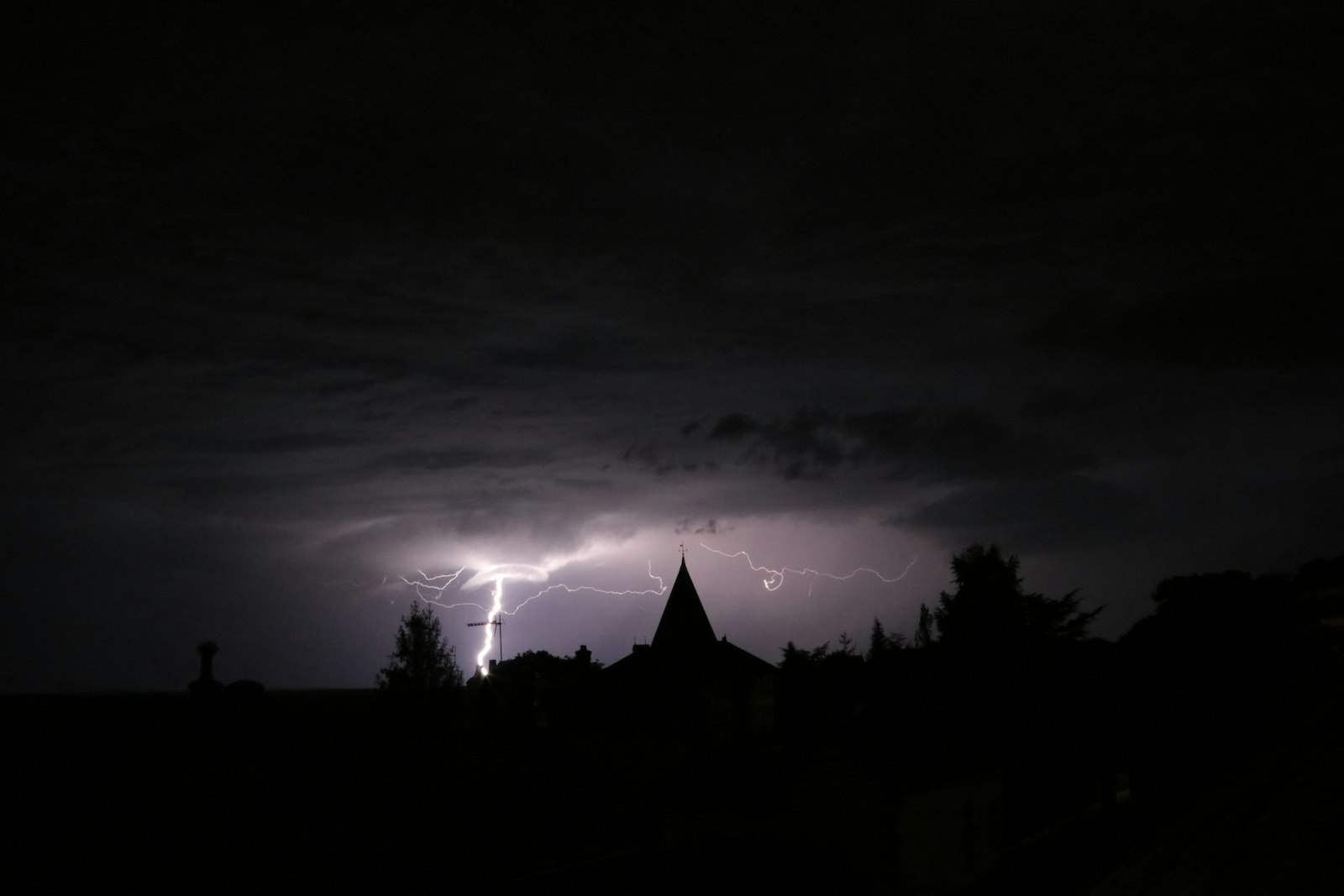
Lightning can set a roof on fire, blow a hole in a chimney, or send a surge through the wiring that destroys electronics and appliances in every room. Does homeowners insurance cover lightning strikes? Yes. Lightning is a covered peril in standard homeowners policies. The harder part is proving lightning caused the damage, especially when there is no visible fire.
Lightning claims are getting more expensive
According to the Insurance Information Institute and State Farm, insurers paid about $1.65 billion in lightning-related homeowners claims in 2025, across 61,986 claims. The average claim was $26,616, up about 43% from the year before and nearly two and a half times the 2017 average. Florida had the most claims; Texas had the highest average claim. Part of the reason is the number of electronics, smart systems and appliances in modern homes.
What lightning can damage
- Fire in the roof, attic or walls, sometimes smoldering for hours before it is noticed.
- Structural damage: blown shingles, cracked chimneys, split framing.
- Electrical surge damage to wiring, panels, outlets, HVAC controls, well pumps, garage door openers, security systems and electronics.
- Damage to other structures such as detached garages and fences, and to trees.
Lightning surge vs utility surge
This distinction matters. Damage from a surge caused by lightning is covered as lightning damage. A surge from the power grid itself, such as utility work or a transformer failure, is treated differently. The standard form covers sudden and accidental damage from artificially generated electrical current for personal property, but excludes tubes, transistors and electronic components that are part of appliances, computers and similar equipment. That means utility surges often leave electronics unpaid, while lightning surges do not.
Insurers sometimes argue that a surge was not caused by lightning. That is why evidence of a strike is important.
How to prove a lightning strike
- Get strike data. Lightning detection networks record strikes by time and location. Your insurer may pull this data; you can ask for a report for your address and date.
- Look for physical signs: scorch marks, damaged roofing or chimney, burned outlets, a tripped or damaged panel, a damaged tree or antenna.
- Get an electrician's report describing the damage pattern and its likely cause. Surge damage often affects many devices at once, in different rooms.
- Keep the damaged items. Do not throw away fried electronics or the panel before the insurer has a chance to inspect them.
- Note the timing: when the storm hit, what you heard, when power went out.
Hidden damage to check
Lightning damage is often found days or weeks later. Have an electrician check the panel, wiring, grounding and appliances, and an HVAC technician check control boards. If items fail soon after the storm, add them to the claim promptly. Insurers handle these as supplements. See insurance claim supplements.
If lightning starts a fire
A lightning fire is handled like any other house fire: dwelling repairs, contents, smoke cleaning and living expenses if you cannot stay. See the house fire claim process and smoke damage claims.
Equipment breakdown coverage
Some insurers sell an equipment breakdown endorsement that covers electrical and mechanical failure of home systems and appliances, including surges not caused by lightning. If you have it, list it on the claim.
Electrical damage after a fire
Lightning and electrical fires often overlap. See electrical fire insurance claims for how insurers treat wiring and ensuing damage.
Where lightning claims happen
In 2025, Florida had the most lightning claims with 5,167, followed by California with 4,211 and Texas with 4,188, according to the Insurance Information Institute and State Farm. Texas also had the highest average claim, at $60,382. Any home with a lot of wiring and electronics can end up with a costly claim.
Garages, fences and trees
Lightning often hits something other than the house. Detached garages, sheds and fences fall under other structures coverage, which is usually 10% of the dwelling limit and is a separate limit. Trees, shrubs and plants are covered for lightning in the standard form up to 5% of the dwelling limit, with a cap of $500 per tree. If a tree struck by lightning falls on the house, the damage to the house is part of the dwelling claim.
Small surge losses and your deductible
A surge may ruin a television, a router and a garage door opener and nothing else. If the total is close to your deductible, a claim may not be worth it. Surge damage is often bigger than it looks on the first day, though. Control boards in furnaces, air conditioners, ranges and well pumps can fail weeks later. Before deciding, have an electrician test the systems and list everything that is not working. Then compare the total to your deductible.
Repairs after a strike
Ask your electrician to check the grounding system, since lightning can damage ground connections that you cannot see. Ask about a whole-house surge protector at the panel while the electrical work is being done. If the repairs need a permit, keep the inspection reports with your claim file. See fire damage repair permits.
Common questions
Does homeowners insurance cover a lightning strike that did not start a fire?
Yes. Lightning is a covered peril, including damage from a lightning surge. Utility-caused surges are treated differently for electronics.
How do I prove lightning hit my house?
Look for burn marks, damaged electronics on several circuits, and weather data showing strikes near your address at the time. An electrician's report helps.
Is a tree hit by lightning covered?
Trees and shrubs are covered for lightning up to a limit in the standard form, usually 5% of the dwelling limit with a cap per tree. See trees and debris removal.
Is a detached garage hit by lightning covered?
Usually yes, under other structures coverage, which is often 10% of the dwelling limit.
Can I claim electronics that stopped working days after a storm?
Yes, if lightning caused the failure. Report them as soon as you find them and keep the items for inspection.
Help with a lightning claim
ClaimWarriors documents lightning fire and surge damage, including hidden electrical damage, as part of our fire, smoke and lightning claim services. Contact us for a claim review.
Statistics from the Insurance Information Institute (June 2026). This article is general information, not legal advice. Last reviewed November 2026.