

Electrical Fire Insurance Claim: Coverage, Wiring and Proof

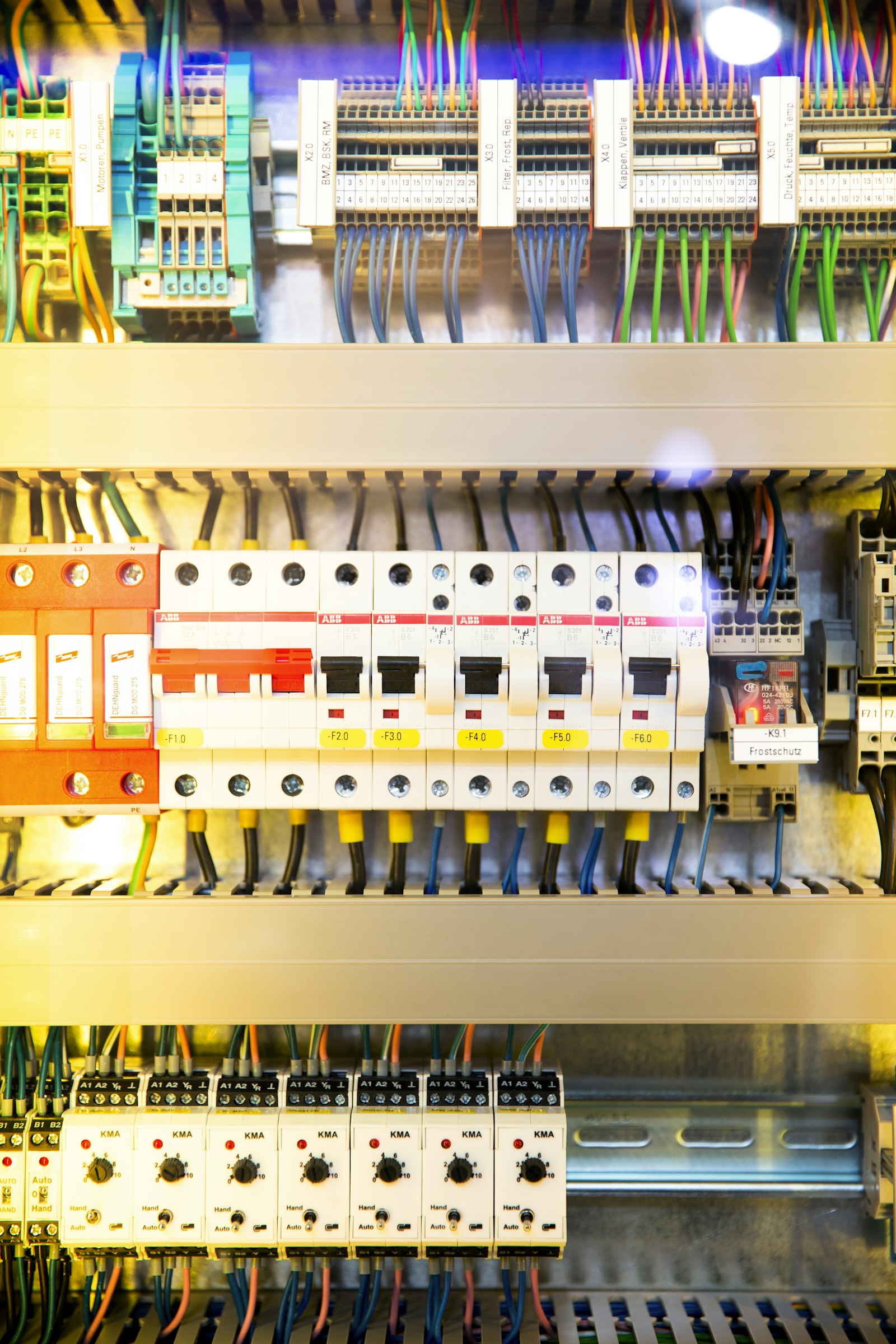
Electrical fires are among the most common causes of house fires, and they lead to a specific kind of insurance argument. The fire itself is covered. But because the cause involves the home's own wiring, outlets or appliances, insurers sometimes raise maintenance, wear and tear or pre-existing condition issues. And the rebuild almost always triggers electrical code upgrades. Knowing how those pieces fit together keeps an electrical fire claim on track.
Is an electrical fire covered by homeowners insurance?
Yes, in the ordinary case. Fire is a covered peril under standard homeowners policies, whether it started in the kitchen, from a lightning strike or from a wiring fault.
The nuance is in what exactly gets paid. Under the standard HO-3 form, damage to the dwelling is excluded if it is caused by wear and tear, deterioration, mechanical breakdown or latent defect, but the form says any ensuing loss not otherwise excluded is covered. In plain terms:
- The worn-out outlet or wire that failed may not be paid for as such.
- The fire damage that resulted from it, and the smoke damage throughout the house, is covered.
In practice, the failed component is a small part of a fire claim, because it is usually replaced as part of the electrical repairs anyway.
Where insurers push back on electrical fires
"The wiring was old or not maintained"
Old wiring by itself does not exclude a fire. The question is what the policy actually says. Ask the insurer to identify the specific exclusion it relies on in writing. If it points to wear and tear, ask how it is applying the ensuing loss language.
Knob-and-tube or aluminum wiring
Many insurers will not write policies on homes with knob-and-tube wiring, or charge more for aluminum wiring. If the insurer believes the wiring was misdescribed on your application, it may raise misrepresentation. That is an underwriting dispute, not a fire exclusion. Ask for a copy of your application and the specific question at issue. See why insurers deny fire claims.
Unpermitted electrical work
If the fire started in unpermitted DIY electrical work, expect questions. A standard policy generally does not exclude fire caused by poor workmanship, but the facts and the exact wording matter.
Power surges without fire
For your belongings, the standard form covers sudden and accidental damage from artificially generated electrical current, but it excludes tubes, transistors and electronic components that are part of appliances, computers and similar equipment. So a surge that fries a television without a fire may not be covered for the electronics, while the same television destroyed in an electrical fire is covered as fire damage.
See lightning strike claims for how lightning surges are treated.
Preserve the evidence
After an electrical fire, the insurer will usually send a cause-and-origin investigator and often an electrical engineer. They will want the outlet, panel, appliance, extension cord or device at the point of origin.
- Do not throw away or let anyone remove anything in the area of origin until the insurer confirms in writing that its investigation is finished.
- Photograph the area before any cleanup.
- Keep the product name, model and serial number of any appliance involved.
This protects your claim and also preserves a possible recovery against a manufacturer. If a defective appliance, charger or battery caused the fire, your insurer may pursue the manufacturer through subrogation, which can return your deductible. You can check whether the product has been recalled on the U.S. Consumer Product Safety Commission website.
See origin and cause investigations.
Lithium battery fires
Fires from e-bike, scooter and power tool batteries are increasingly common. The fire and smoke damage to your home is covered like any other fire. Whether the e-bike itself is covered as personal property depends on how your policy treats motorized vehicles, so read that section.
See lithium-ion battery fires and dryer and appliance fires.
Rewiring and code upgrades after an electrical fire
When an electrician repairs fire-damaged circuits, the building department will usually require the work to meet the current electrical code. That can mean arc-fault (AFCI) and ground-fault (GFCI) protection, a new panel, new circuits, and hardwired, interconnected smoke alarms. In older homes, the inspector may require more of the system to be updated than the fire actually damaged.
The cost of bringing the repaired areas up to code falls under ordinance or law coverage, which in the standard HO-3 is up to 10% of the dwelling limit as additional coverage. Ask your electrician to separate code-required work from like-for-like repair in the estimate, and get the inspector's requirements in writing. Our guide to ordinance or law coverage after a fire explains how to claim it.
Most of this work needs permits. See fire damage repair permits.
Do not forget the smoke
Electrical fires often smolder inside walls before they are discovered, which can spread smoke and soot through wall cavities and into the HVAC system. Make sure the estimate addresses smoke damage beyond the burned area. See our smoke damage insurance claims guide.
An illustrative electrical fire claim
The numbers below are illustrative only. A failed outlet starts a fire inside a bedroom wall. The home has a $300,000 dwelling limit. The insurer's final numbers look like this: about $68,000 to repair the fire and smoke damage to the house, $14,500 for code-required electrical work such as a new panel and arc-fault protection, $22,000 for contents and $11,000 for three months of living expenses.
The failed outlet itself, worth a few dollars, is the only part the wear and tear exclusion takes out. The code work fits inside the $30,000 of ordinance or law coverage, which is 10% of the dwelling limit. The point of the example is the shape of the claim. The cause was a worn part, and almost everything else was still paid.
When the engineers disagree
The insurer's electrical engineer may say the fire came from old wiring, while your electrician points to a defective device. That difference matters. It can decide whether the insurer pursues a manufacturer, and whether it raises a maintenance or misrepresentation argument.
Ask for the engineer's report in writing. In California, insurers must provide claim-related documents within 15 days of a request. If the conclusion affects your coverage, have your own licensed electrician or a certified fire investigator review it while the evidence still exists.
Equipment breakdown coverage
Some insurers sell an equipment breakdown endorsement. It is meant for damage to equipment itself, such as a surge that ruins electronics or a system that fails, which the base form often excludes. It does not replace your fire coverage, which already pays for the fire. If you have one, read it when electronics were damaged by a surge with no fire, because that is where the base policy leaves a gap.
Electrical fire claim checklist
- Report the fire promptly and get the fire department report number.
- Preserve the area of origin and any involved device.
- Get a full copy of your policy and your application.
- Have a licensed electrician document the damage and the code requirements.
- Separate code upgrades from repairs in the estimate.
- Document smoke damage throughout the home.
- Ask in writing for any exclusion the insurer relies on.
Common questions
Does homeowners insurance cover an electrical fire?
Yes, in the ordinary case. The worn part that failed may not be paid, but the fire and smoke damage it caused generally is.
Will old wiring void my fire claim?
Usually not by itself. Old wiring can affect underwriting and the cost of code upgrades, but a fire it causes is still a fire.
Can my insurer go after the electrician or manufacturer?
Yes. If a product or contractor caused the fire, your insurer may pursue them, which is one more reason to keep the evidence.
Will insurance pay to replace all the knob-and-tube wiring after a fire?
Not automatically. The fire-damaged wiring is repaired under the dwelling coverage. Undamaged wiring is replaced under ordinance or law coverage only when the building department requires it to complete the repair, and only up to that coverage limit.
Does an equipment breakdown endorsement pay for an electrical fire?
The fire is paid by the main policy. The endorsement matters more for damage to equipment and electronics that the main policy excludes, such as surge damage without a fire. Check its wording.
Help with an electrical fire claim
ClaimWarriors represents homeowners and businesses on fire, smoke and lightning claims, including electrical fires with code upgrade disputes. Contact us for a claim review.
This article is general information about property insurance claims, not legal advice. Policy wording controls coverage. Last reviewed November 2026.




