

Neighbor's House Fire Damaged My House: Whose Insurance Pays?

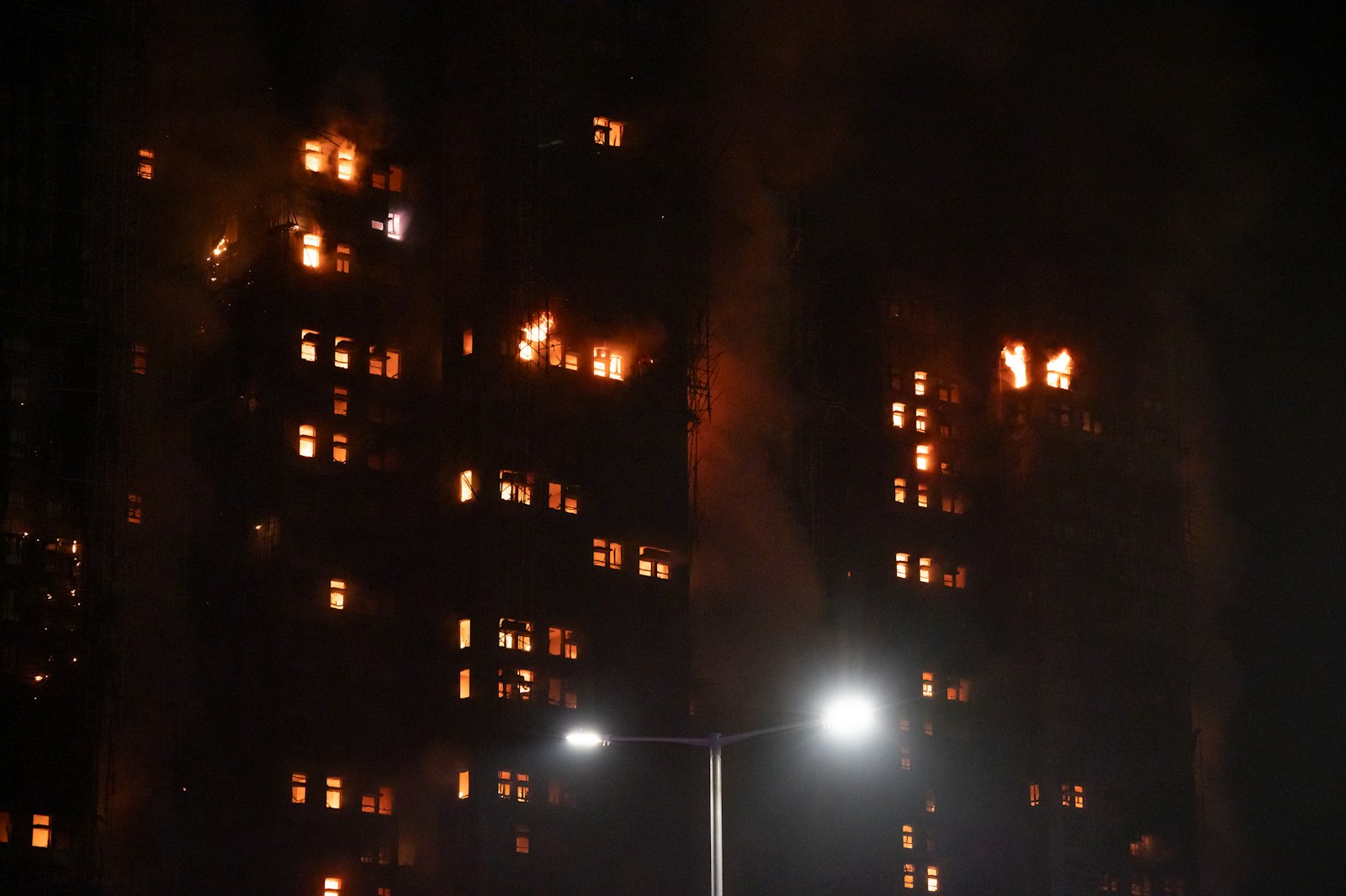
Your home did not catch fire, but the one next door did. Now there is soot on your siding, a smoke smell inside, melted vinyl on the side facing the fire, and maybe broken windows or water damage from the fire department. The first question most people ask is whether the neighbor's insurance should pay. The practical answer is usually: start with your own.
Your own homeowners policy is usually first in line
Homeowners policies cover fire and smoke damage to your home and belongings regardless of where the fire started. You do not need to prove anyone was at fault. That makes your own policy the fastest route to repairs, temporary housing and contents replacement.
Your deductible applies, as on any claim. If your insurer later recovers money from the neighbor or the neighbor's insurer, you may get some or all of your deductible back.
How subrogation works
If the neighbor was negligent, for example by leaving cooking unattended or causing a fire through careless work, your insurer can pursue the neighbor or their liability insurer to recover what it paid you. This is called subrogation. It happens behind the scenes and does not delay your claim. Ask your insurer to include your deductible in its recovery and to tell you if it collects.
If the fire was not anyone's fault, such as a lightning strike, there may be nothing to recover. Your policy still pays.
Can you claim directly against the neighbor's insurance?
You can, but it is usually slower and less certain. The neighbor's liability coverage only pays if the neighbor is legally responsible, so the neighbor's insurer will investigate the cause first. Going this route can make sense if:
- You have no insurance of your own.
- Your losses exceed your own policy limits.
- You have uninsured losses, such as a deductible or items your policy does not cover.
Be careful about signing anything from the neighbor's insurer early. A quick payment may come with a release that ends your claim against the neighbor before you know the full extent of the damage.
Damage to look for after a neighbor's fire
Smoke and heat damage from a nearby fire is easy to underestimate. Check, photograph and report:
- Exterior: melted or warped vinyl siding, gutters, window frames and screens; cracked windows; scorched paint; damaged roofing, fences and landscaping.
- Interior smoke: soot on window sills, around outlets and light fixtures, inside closets and cabinets, and in the attic.
- HVAC: if the system ran during or after the fire, it may have pulled smoke inside. Look at filters and return grilles.
- Firefighting damage: forced entry, broken windows, water through shared walls or ceilings. Damage caused while fighting the fire is generally treated as part of the fire loss.
- Contents: clothing, upholstery and electronics exposed to smoke.
Our smoke damage insurance claims guide explains how insurers decide between cleaning and replacing.
Townhouses, duplexes and condos
Attached homes add a layer of complexity. In a condo or townhouse community, the association's master policy may cover the building structure, shared walls and roof, while your own HO-6 policy covers your unit's interior, your belongings and your living expenses. How the responsibility is split depends on the master policy and your association documents. Ask the association for the master policy declarations and report the loss to both.
If you rent, your landlord's policy covers the building, and your renters policy covers your belongings and temporary housing.
See tenant caused a fire, condo fire insurance and renters insurance after a fire.
Can you sue the neighbor?
If the neighbor was negligent and your losses are not fully covered, you may have a claim against them. That is a legal question for an attorney in your state. In most cases, though, letting your insurer pay and subrogate is the simplest path.
Do not wait because the damage looks minor
Many people near a fire assume their home is fine because they see little damage. Smoke odor and soot often become obvious only days later, and policies require prompt notice. Report the loss, ask for an inspection, and document what you see. You can always decide later how far to take the claim.
Fireworks fires spread the same way. See fireworks fire damage.
If the neighbor has no insurance
Your own policy still pays your claim. What changes is the recovery. If the neighbor was negligent but uninsured, your insurer may recover little or nothing, so getting your deductible back is less likely. For losses your policy does not cover, a claim against the neighbor personally is possible, but collecting from an uninsured person can be hard. An attorney can tell you whether it is worth pursuing.
Document the neighbor's fire
- Get the fire department report for the neighbor's address, not only for yours.
- Save photos and videos of the fire taken from your property, with times.
- Keep news coverage and social media posts about the fire.
- Write down the neighbor's insurer and claim number if they share it.
- Note the names of witnesses.
This helps your insurer with subrogation, and it helps you if you later need to show where the smoke and heat came from.
Fences, trees and landscaping
Fences, sheds and other structures damaged by a neighbor's fire fall under other structures coverage. Fences on the property line are often shared, so talk to the neighbor and both insurers about who claims what. Trees, shrubs and plants damaged by fire are covered up to a limit, usually a percentage of the dwelling limit with a cap per tree. See other structures coverage and debris removal and trees.
Deadlines
Two sets of deadlines can apply. Your policy sets a time limit to sue your own insurer, and state law sets a separate time limit for a claim against the neighbor. Neither stops running while you wait to see how the other plays out. See deadlines on homeowners claims.
Common questions
Who pays for smoke damage from my neighbor's fire?
Usually your own homeowners policy first. Your insurer may then recover from the neighbor's insurer if the neighbor was negligent.
Will I get my deductible back?
If your insurer recovers from the responsible party, you may get some or all of your deductible back.
Should I accept a quick offer from the neighbor's insurer?
Be careful. A release can end your rights against the neighbor. Get your own estimate first.
Will my premium go up if the fire started next door?
Claims you did not cause are often viewed differently at renewal, but practices vary by insurer and state. Ask your agent how the insurer treats them.
Can I claim my deductible from the neighbor's insurer?
Yes, if the neighbor was legally responsible. Most people let their own insurer recover it through subrogation, which is simpler.
Help with a neighbor fire claim
ClaimWarriors documents smoke and heat damage that insurers often miss on neighboring properties. See how we handle fire, smoke and lightning claims, or contact us for a claim review.
This article is general information about property insurance claims, not legal advice. Liability questions depend on state law. Last reviewed November 2026.




