Renters Insurance After an Apartment Fire: Belongings, Temporary Housing and Your Lease


When an apartment building catches fire, tenants often lose almost everything inside their unit, even if the fire started somewhere else. The landlord's insurance covers the building. It does not cover your belongings or your hotel bill. That is the job of renters insurance, and knowing how it works helps you get back on your feet faster.
What renters insurance covers after a fire
A standard renters policy (often called an HO-4) usually includes:
- Personal property: furniture, clothing, electronics and other belongings damaged by fire, smoke or water from firefighting.
- Additional living expenses: the extra cost of living elsewhere while your unit is uninhabitable, such as a hotel or short-term rental, meals and mileage. See additional living expenses after a fire.
- Personal liability: if you accidentally caused the fire and are found responsible for damage to the building or other units.
- Improvements you made to the unit, in some policies, up to a limit.
Is smoke damage covered by renters insurance?
Yes. Smoke is a named peril in standard renters policies. Even if flames never reached your unit, smoke damage to clothing, furniture and electronics is generally covered. See smoke-damaged clothes, smoke-damaged furniture and smoke-damaged electronics.
The first steps for renters
- Report the claim to your renters insurer right away, even if the fire started in another unit.
- Ask for an advance for temporary housing and immediate needs. See advance payments on a fire claim.
- Notify your landlord in writing that you have been displaced, and ask about the status of the unit and your rent.
- Document your unit with photos and video when you are allowed back in.
- Start your inventory. See the house fire inventory list guide.
Your rent and your lease
What happens to your lease after a fire depends on your state's law and the lease itself. In many states, if the unit becomes uninhabitable because of a fire you did not cause, rent stops or is reduced while you cannot live there, and you may have the right to end the lease. The details vary widely, so read your lease's casualty or fire clause and check your state's tenant rules or a local tenant organization.
Keep paying attention to your security deposit as well. If the lease ends, you are generally entitled to the deposit back under your state's normal rules, minus any lawful deductions.
If you caused the fire
Accidental fires happen: a pan left on the stove, a candle, a space heater. If you are found responsible, the landlord's insurer may pay the landlord and then pursue you to recover what it paid, which is called subrogation. The liability part of your renters policy is designed to respond to that. Report it to your insurer and do not admit fault to the landlord's insurer without talking to your own. See tenant caused a fire and accidentally started a fire.
If you have no renters insurance
Without renters insurance, your options are limited. If the landlord's negligence caused the fire, you may have a claim against the landlord. If another tenant caused it, you may have a claim against that tenant or their liability insurance. Community resources such as the Red Cross may help with immediate needs. See house fire with no insurance.
Common renters claim problems
- Inventories that leave out everyday items like kitchenware, toiletries and linens.
- Heavy depreciation on clothing and furniture. See depreciation on contents.
- Living expenses cut off while the unit is still unlivable.
- Low liability limits when a tenant caused a fire that damaged several units.
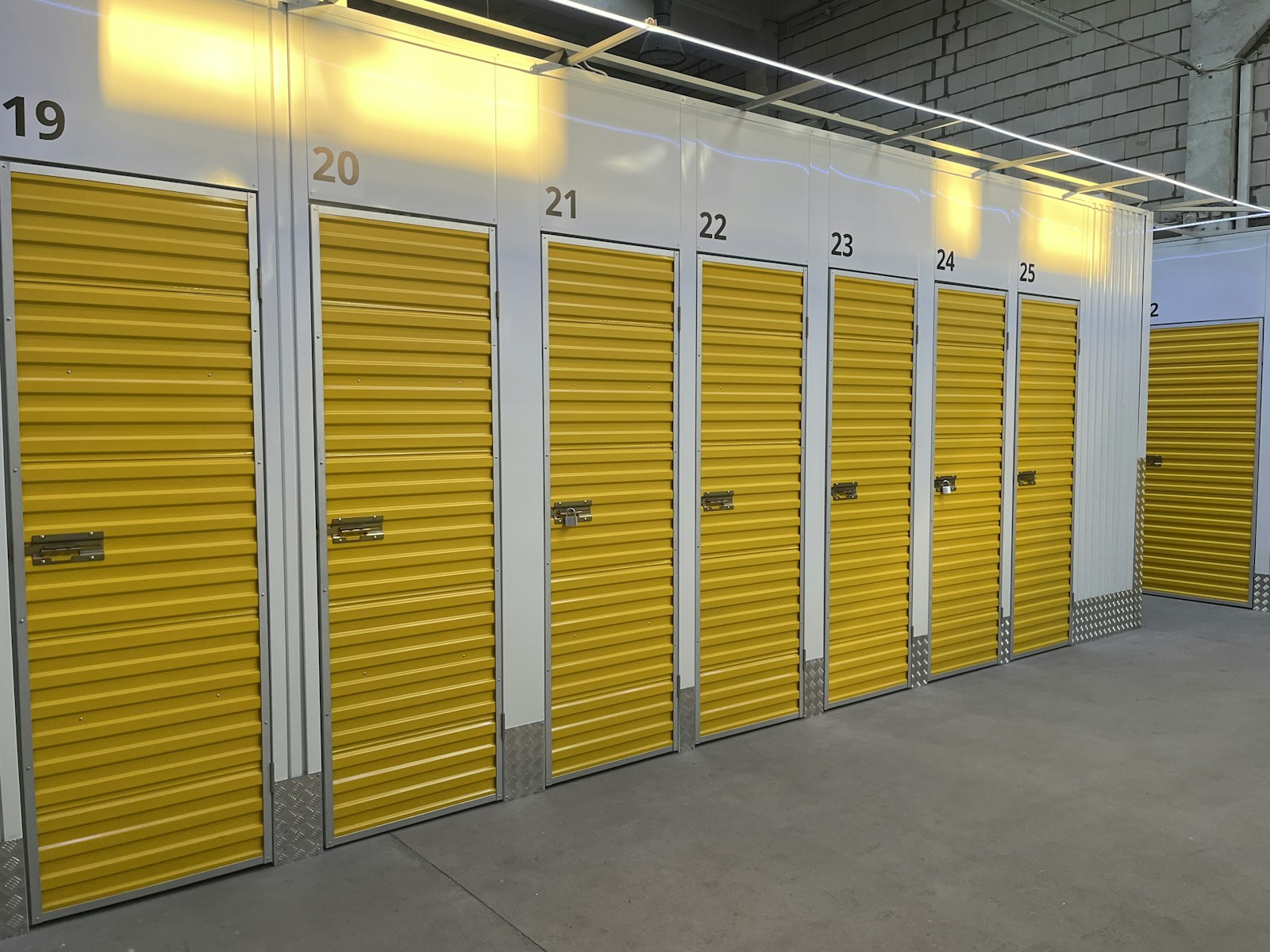
Belongings kept in a storage unit or elsewhere are usually covered too, with some limits. See property stored away from home.
The limits that matter after a fire
Look at three numbers on your renters declarations page. The personal property limit is the most you can collect for your belongings. Additional living expenses are often set as a percentage of that limit or as a separate amount, and they can run out during a long building repair. Liability is often $100,000, which may be low if a fire you caused damaged several units. Also check whether your belongings are paid at actual cash value or replacement cost. Many lower-priced renters policies pay actual cash value, so clothing and furniture are depreciated heavily. See actual cash value vs replacement cost.
Questions to ask the landlord after a building fire
- When will the building be inspected, and who decides whether my unit is habitable?
- When can I get in to retrieve belongings, and who will escort me?
- Is the lease ending, and will you confirm that in writing?
- How and when will my security deposit be returned?
- Will rent be paused while I cannot live there?
Keep the answers in writing. Your renters insurer will ask for the same information to set your living expenses.
Roommates
A renters policy covers the named insured and household members, which usually means relatives who live with you. A roommate who is not a relative is usually not covered by your policy, even if you share everything in the apartment. Each roommate needs their own renters policy, or must be added by name if the insurer allows it. If only one roommate had insurance, the other may have no coverage for belongings or a hotel.
Common questions
Does my landlord's insurance cover my belongings after a fire?
No. The landlord's policy covers the building. Your renters policy covers your belongings and temporary housing.
Do I still pay rent if my apartment burned?
In many states rent stops or is reduced while the unit is uninhabitable, if you did not cause the fire. Check your lease and state law. See landlord fire claims.
Does renters insurance cover a hotel after an apartment fire?
Yes. Additional living expenses cover the increase in your living costs while the unit is unlivable.
Does renters insurance cover my car if it burned in the building garage?
No. Damage to your car is covered by the comprehensive part of your auto policy. Belongings inside the car may be covered by your renters policy.
Can my landlord charge me for fire damage I did not cause?
Generally no. Responsibility follows fault and the terms of the lease. If the landlord or its insurer says you caused the fire, report it to your renters insurer and let it respond.
Help with a renters fire claim
ClaimWarriors helps renters document contents and living expenses after apartment fires. See our fire claim services, or contact us for a claim review.
This article is general information about insurance and is not legal advice. Tenant rights vary by state and lease. Last reviewed November 2026.