

Wildfire Insurance Claims: A Policyholder Guide for Western States

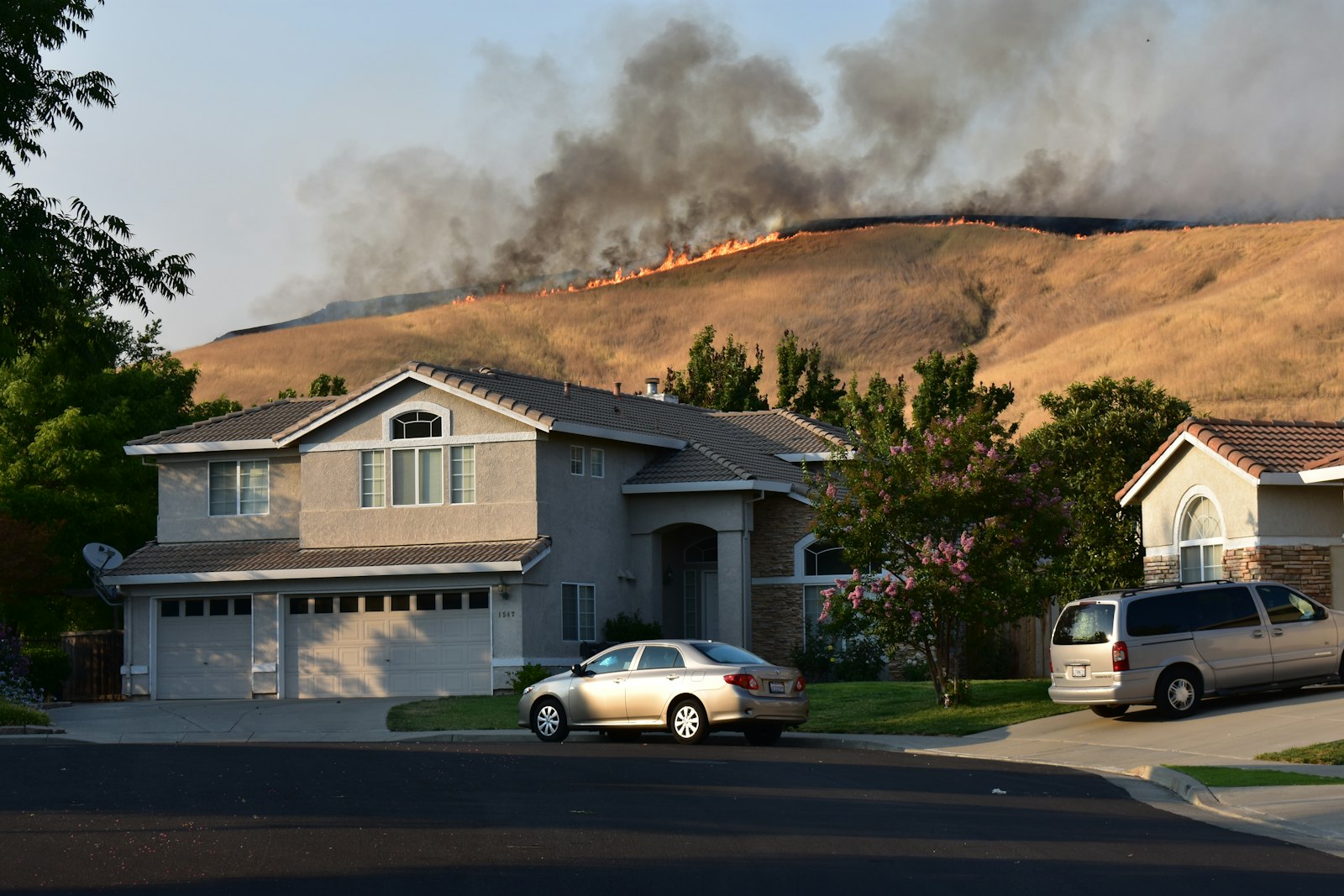
A wildfire produces three very different kinds of insurance claims, often on the same street: homes that are gone, homes that are partly burned, and homes that are standing but full of smoke, soot and ash. Each one follows a different path, and the mistakes people make in each are different too.
Wildfire claims also differ from ordinary house fires in one important way. After a declared emergency, several western states change the rules: longer deadlines, advances without paperwork, and contents payments without a full inventory. Knowing which of those rules apply to you can be worth tens of thousands of dollars.
Is wildfire damage covered?
Fire is a covered peril in standard homeowners policies, and wildfire is fire. The questions in wildfire claims are usually about how much is owed, how long you have, and, for homes that did not burn, whether smoke and ash caused physical damage. If your policy is through a state FAIR Plan, the coverage is narrower than a standard homeowners policy, so read it closely.
Claim type 1: Total loss
When the home is destroyed, the main issues are whether your dwelling limit is enough to rebuild, how your contents will be valued without being able to see them, and how long living expenses will last. Our guide to a total loss house fire covers the full picture. In a wildfire, three extra points apply:
- Construction costs jump. When hundreds of homes need rebuilding at once, labor and materials rise. Check whether you have extended replacement cost coverage, which pays above the dwelling limit up to a set percentage.
- Code upgrades are larger. Many wildfire areas require ignition-resistant construction when rebuilding. That falls under ordinance or law coverage.
- Debris removal may be handled by government programs. If a public program clears your lot, coordinate it with your insurer, because your policy's debris removal coverage may be involved.
See wildfire debris removal for how those programs work. If your limit falls short, see extended vs guaranteed replacement cost.
Claim type 2: Partial loss
A partly burned home goes through the normal fire claim process: mitigation, an estimate, contents, living expenses and rebuild. The common wildfire problem is that the insurer's estimate covers the burned section but understates heat and smoke damage to the rest of the structure, such as warped windows, melted siding and vents, and smoke throughout the attic. See the step-by-step house fire insurance claim process.
Claim type 3: The house is standing but smoke got in
These are the most disputed wildfire claims. Insurers often pay for light cleaning and argue that anything more is unnecessary. Homeowners point to ash in the attic, soot in the HVAC system, lingering odor and health symptoms. Whether the claim succeeds depends heavily on testing and documentation. Our dedicated guide covers wildfire smoke damage when your house didn't burn, and the broader smoke damage claims guide explains clean-versus-replace decisions.
State rules that change wildfire claims
The rules below apply to losses tied to a declared state of emergency or declared wildfire. Always confirm the current law with your state insurance department, because these rules change often.
California
- Contents without a full inventory. For a total loss in a declared emergency, a law effective January 1, 2026 (SB 495) requires the insurer to pay 60% of the contents limit, up to $350,000, without an itemized inventory. You can still itemize to claim more.
- Living expenses. At least 24 months of additional living expenses from the date of loss, with up to 12 more months if you are acting in good faith and run into delays outside your control. After a total loss, the insurer must advance at least four months of living expenses on request.
- Time to collect replacement cost. At least 36 months from the first actual cash value payment, with extensions for good cause.
- Rebuild elsewhere. You can rebuild at a new location or buy an existing home and still use your replacement cost coverage, measured by the cost to rebuild at the original site.
- Proof of loss. The insurer cannot require it less than 100 days after the loss.
- Smoke claims. The Smoke Damage Recovery Act (AB 1795), effective January 1, 2027, creates a rebuttable presumption that smoke residue in a surviving home in the wildfire impact area came from the wildfire, requires insurers to pay for necessary testing, and sets inspection and payment deadlines.
Colorado
- For a total loss from a declared wildfire, the insurer must offer at least 65% of the contents limit without an itemized inventory.
- Additional living expenses for at least 24 months, with extensions available.
- At least 36 months to collect replacement cost, and the right to rebuild elsewhere or buy a replacement home.
Oregon
- After a declared emergency, additional living expenses for at least 24 months (subject to policy limits), extendable up to 36 months for unavoidable delays.
- Insurers must accept contents inventories that group items by category rather than requiring every item to be listed separately.
- For a total loss in a declared disaster, the insurer must offer 70% of the contents limit without an itemized inventory, under HB 2982.
Washington
- Many policies cap additional living expenses at 12 months. After recent fires, the Insurance Commissioner has asked insurers to extend living expenses and to pay a substantial share of contents limits without a full itemized inventory. Ask your insurer in writing what it will do on your claim.
In Nevada, Utah, Idaho and New Mexico, check your policy and your state insurance department's post-disaster bulletins. Regulators often issue guidance after a major fire even where no statute applies.
For more detail by state, see California fire insurance laws, California FAIR Plan claims, Colorado, Oregon, Washington and Nevada, Utah, Idaho and New Mexico.
Wildfire claim mistakes that cost money
- Accepting the first contents number on a total loss. The no-inventory payment is a floor, not a ceiling.
- Letting living expenses run out. Request extensions in writing before the deadline, and document why the rebuild is delayed.
- Signing with the first contractor or adjuster at your door. California bars public adjusters from soliciting until seven days after the fire. Anyone pressuring you to sign immediately is a warning sign.
- Cleaning before documenting. Photograph ash and soot before any cleaning, and get testing done first if smoke damage is disputed.
- Missing the lawsuit deadline while negotiating. Calendar it the week of the fire.
Common questions
Does homeowners insurance cover wildfire damage?
Yes. Wildfire is fire, a covered peril, unless your policy has a specific wildfire exclusion. Some policies in high-risk areas carry a separate wildfire deductible.
Does insurance pay if I had to evacuate but my house did not burn?
Many policies pay living expenses for a limited time when a civil authority order bars access to your home. See evacuation and civil authority coverage.
Can my insurer go after whoever caused the wildfire?
Yes. If a utility or another party caused the fire, your insurer may pursue it, and you may be able to recover your deductible and uninsured losses. See wildfire subrogation claims.
Wildfire claim help
ClaimWarriors represents policyholders after wildfires in several western states, including California, Colorado, Oregon and Washington. If your wildfire claim is stuck, contact us for a claim review.
This article is general information about property insurance claims, not legal advice. State laws change frequently after major wildfires; confirm the current rules with your state insurance department. Last reviewed November 2026.




