

California FAIR Plan Claims After a Fire: What's Covered and Where Disputes Happen

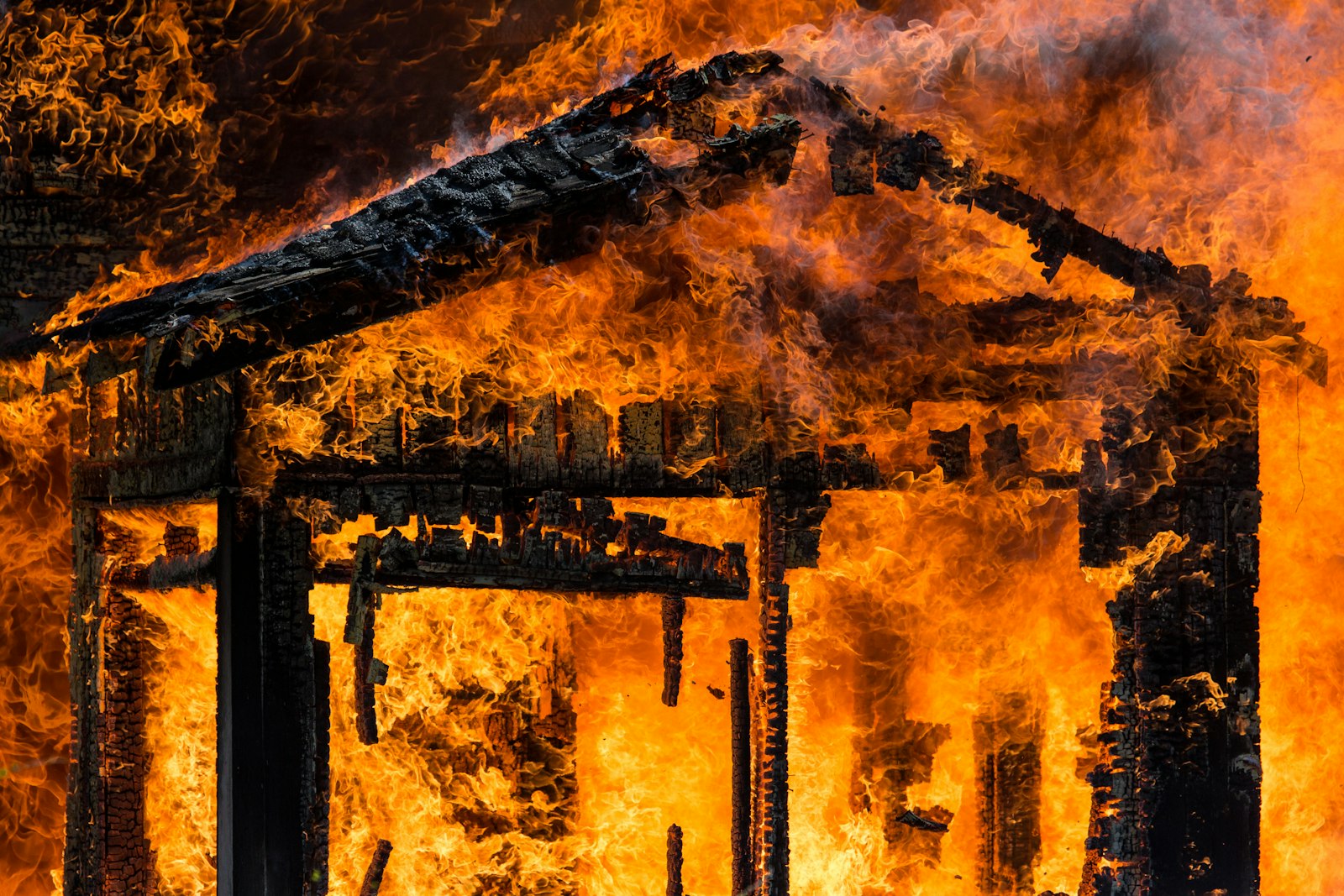
As private insurers have pulled back from high-risk areas, hundreds of thousands of Californians now rely on the California FAIR Plan for fire coverage. After the 2025 Los Angeles fires, many of them learned how different a FAIR Plan policy is from a standard homeowners policy. If you are filing a fire claim under the FAIR Plan, here is how California FAIR Plan claims work and where disputes tend to arise.
What the FAIR Plan is
The FAIR Plan (Fair Access to Insurance Requirements) is an insurer of last resort created by state law and funded by insurers doing business in California. It sells basic property coverage to owners who cannot get coverage in the regular market.
What it covers
- Named perils only: fire, lightning, internal explosion and smoke. Vandalism and some other perils are available by endorsement.
- Dwelling: limits up to $3 million for residential properties.
- Other structures and personal property if you selected them.
- Fair rental value or additional living expenses in some forms, if selected.
What it does not cover
- Liability.
- Theft.
- Water damage, such as burst pipes.
- Many other perils covered by a standard homeowners policy.
To fill those gaps, many FAIR Plan policyholders buy a separate difference-in-conditions (DIC) policy from another insurer. If you have one, you have two policies, two claims and possibly two deductibles. File with both after a fire, since the DIC policy may cover items like living expenses, debris removal or code upgrades that the FAIR Plan policy does not.
Actual cash value vs replacement cost
The base FAIR Plan dwelling policy pays actual cash value, meaning depreciation is deducted, unless you bought a replacement cost endorsement. Check your declarations page. If you have actual cash value only, depreciation becomes the main battleground. See actual cash value vs replacement cost and depreciation on contents.
Depreciation rules that help ACV policyholders
California regulations limit how depreciation can be taken, and they apply to the FAIR Plan. In fire policies, the labor needed to repair, rebuild or replace property cannot be depreciated. Depreciation must reflect a measurable drop in market value because of age and condition, and it can only be applied to items that are normally repaired or replaced during their useful life. The insurer must explain the basis for its depreciation in writing. If your estimate depreciates labor or applies one flat percentage to everything, ask for a corrected estimate.
Smoke claims: the biggest dispute
After the 2025 fires, many FAIR Plan policyholders whose homes survived with smoke and ash damage reported limited inspections, cleaning-only scopes and denials. The California Department of Insurance took legal action against the FAIR Plan over its handling of smoke claims in 2025. California's Smoke Damage Recovery Act (AB 1795), effective January 1, 2027, adds new rules for smoke claims after wildfires. See wildfire smoke damage when the house didn't burn and smoke damage testing.
What changes for smoke claims in 2027
Under AB 1795, signed in September 2026, smoke, ash and soot in a surviving home in a wildfire impact zone is presumed to come from the wildfire, though the insurer can try to rebut that. An insurer that chooses to inspect must do so within 30 calendar days of notice. It must pay the actual cash value of the undisputed restoration cost within 30 days after inspection, and late payments earn interest. The insurer pays for necessary testing and sampling, you choose the restoration contractor, and living expenses cannot end until the home is restored and safe.
California protections that apply
The FAIR Plan must follow California's claim handling rules and many of the post-disaster protections, including the time to rebuild and collect replacement cost (if you have it) and rules on claim deadlines. See California fire insurance law for homeowners.
Deadlines the FAIR Plan must meet
- Acknowledge your claim within 15 days of notice and start investigating within 15 days.
- Accept or deny the claim within 40 days after receiving proof of claim, or explain in writing why it needs more time, every 30 days.
- Pay within 30 days after accepting the claim.
- Send claim-related documents within 15 days of your request.
- Send a free complete copy of your policy within 30 days of your request after a covered loss.
Keep a dated log. Missed deadlines are worth raising in writing and in a complaint to the Department of Insurance.
Practical steps for a FAIR Plan fire claim
- Get a complete copy of your FAIR Plan policy and any DIC policy.
- Report the claim to both insurers promptly.
- Document everything thoroughly, including smoke damage room by room.
- Ask for the FAIR Plan's estimate and depreciation in writing.
- Request testing if the scope of smoke damage is disputed.
- Keep records of every communication.
How to escalate
- Ask for a supervisor or a written explanation of any denial or reduction.
- File a complaint with the California Department of Insurance.
- Consider appraisal for disputes over the amount of loss, if both sides agree after a declared disaster. See the appraisal clause.
- Get professional help. See public adjuster vs attorney.
Common questions
Does the California FAIR Plan cover smoke damage?
Smoke is a covered peril, but FAIR Plan smoke claims have been heavily disputed. Testing and documentation matter. See wildfire smoke damage when the house did not burn.
Does the FAIR Plan pay replacement cost?
The base FAIR Plan dwelling policy pays actual cash value. Replacement cost is available as an option. Check your declarations page.
What should I buy alongside a FAIR Plan policy?
Many owners add a difference in conditions policy for coverages the FAIR Plan leaves out, such as liability, water damage and theft.
How long does the FAIR Plan have to accept or deny my claim?
Under California regulations, 40 days after it receives proof of claim. If it needs more time, it must explain why in writing every 30 days.
Can the FAIR Plan depreciate labor on a fire claim?
No. California regulations bar depreciation of the labor needed to repair, rebuild or replace property under fire policies.
Help with a FAIR Plan claim
ClaimWarriors represents FAIR Plan policyholders on fire and smoke claims. See our California fire claim services, or contact us for a claim review.
This article is general information about the California FAIR Plan as of November 2026, not legal advice. Coverage depends on the options you selected. Last reviewed November 2026.




