

Does Insurance Cover Smoke Damage From Wildfire if Your House Didn't Burn?

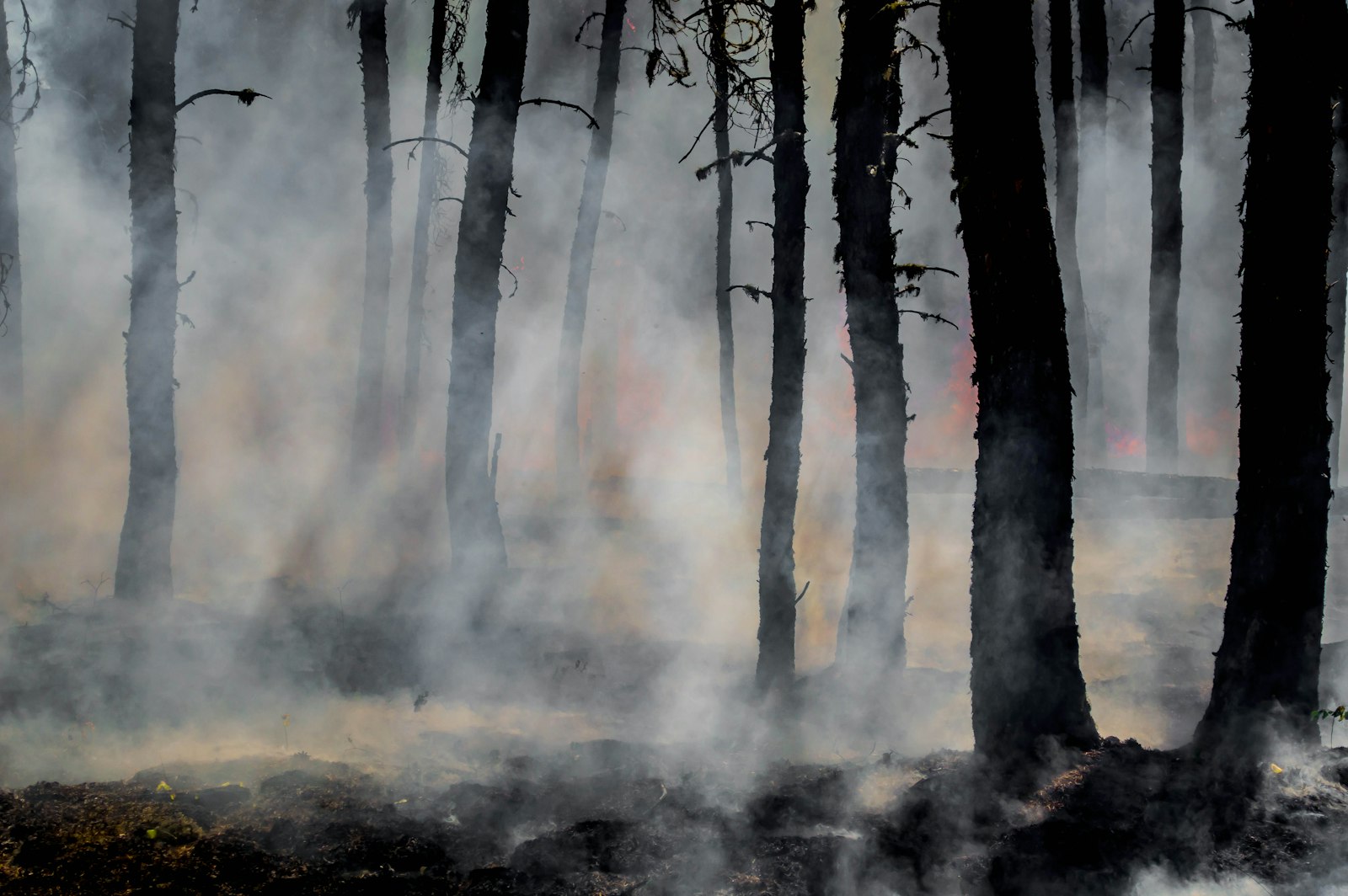
After a wildfire, the homes that survived often face the hardest insurance fights. The house is standing, so the damage is less visible. But smoke, ash and soot from burning homes, cars and vegetation can get into attics, wall cavities, ductwork and belongings. After the January 2025 Los Angeles fires, California regulators reported more than 13,000 insurance claims involving standing homes with smoke damage, and smoke claims became one of the most disputed parts of the recovery.
This guide explains why these claims get disputed, what evidence makes them succeed, and what has changed in California.
The core dispute: is it "direct physical loss"?
Homeowners policies cover direct physical loss to property. Insurers handling wildfire smoke claims often argue that residue that can be wiped away, or odor that fades, is not physical damage, and pay only for light cleaning. Homeowners argue that smoke residue contaminates materials, that cleaning to safe levels requires much more than a wipe-down, and that some porous materials cannot be restored.
Courts have gone both ways depending on the facts. In early 2025, a California appeals court (Gharibian v. Wawanesa) held that wildfire debris that could be easily cleaned was not direct physical loss. Other courts have found coverage where residue caused lasting contamination. The lesson for homeowners is the same either way: the outcome depends on evidence showing what the smoke actually did to the property.
What changed in California
In March 2025, the California Department of Insurance issued a bulletin reminding insurers that smoke damage claims must be thoroughly and fairly investigated. In September 2026, the governor signed the Smoke Damage Recovery Act (AB 1795), which takes effect January 1, 2027. According to the Department and the bill's legislative summary, it:
- Creates a rebuttable presumption that wildfire smoke, ash, soot, char or combustion byproducts found in a surviving home in the wildfire impact zone came from the wildfire.
- Requires an insurer that chooses to inspect to do so within 30 days of notice of the claim, or within 30 days of access being granted.
- Sets deadlines to pay undisputed amounts, including the actual cash value of restoration within 30 days after inspection and replacement cost within 30 days of completed restoration.
- Makes insurers responsible for necessary testing and sampling costs.
- Prevents insurers from ending additional living expenses until the home is restored and safe to occupy.
- Preserves your right to choose your restoration contractor.
- Directs state agencies to develop health-based testing and restoration standards.
If your loss predates the law's effective date, ask how the insurer is applying its existing obligations under the Fair Claims Settlement Practices Regulations and the 2025 bulletin. Outside California, rules vary. Our wildfire insurance claims guide covers other western states.
For FAIR Plan policies, see California FAIR Plan claims. For the wider set of state rules, see California fire insurance laws.
Evidence that wins smoke claims
Document before anything is cleaned
- Photos and video of every room, with close-ups of ash and soot on window sills, window tracks, door frames, light fixtures and outlet covers.
- Photos of the HVAC filter and return grilles, and of the attic and crawlspace.
- White cloth or tissue wipes of surfaces, photographed next to a ruler.
- A dated log of odor in each room, and how it changes with heat, humidity or the HVAC running.
Get proper testing
Testing by an industrial hygienist is often what decides these claims. Ask for a written sampling plan before testing begins, and make sure it covers:
- Surfaces in every affected area, using tape lifts or wipes, analyzed for soot, char and ash.
- The attic and insulation, with bulk samples of the insulation itself if you are asking for it to be replaced.
- Wall cavities and crawlspaces where smoke may have entered.
- The HVAC system, including ductwork.
- Metals and other combustion residues where appropriate, since urban wildfires burn homes, cars and their contents.
A federal court in Oregon rejected a homeowner's claim for new attic and crawlspace insulation in part because no one had sampled that insulation, and because the test results could not show which fire the particles came from. If you want a component replaced, test that component.
Ask for clearance testing
Testing after cleaning shows whether the cleaning worked. Without it, a home can look clean while still carrying residue. If odor or residue remains, report it in writing right away. See smoke smell after restoration.
See smoke damage testing after a fire.
What a proper scope should cover
A wildfire smoke scope for a standing home typically needs to address the attic and insulation, HVAC cleaning or replacement, cleaning of all interior surfaces, sealing and repainting where needed, carpets and soft materials, window screens and tracks, exterior surfaces exposed to ash, and contents cleaning or replacement. Heat exposure can also warp windows, vinyl and vents. See our smoke damage insurance claims guide for the clean-versus-replace framework.
Living expenses while the home is unsafe
If smoke makes the home unfit to live in, additional living expenses should apply. Document why the home is not habitable: test results, odor, health symptoms and medical advice. If the government barred access to your area, the standard policy also provides living expenses for up to two weeks under its civil authority provision. See additional living expenses after a house fire.
See is it safe to stay in a house with smoke damage and evacuation and civil authority coverage.
Common mistakes on standing-home smoke claims
- Cleaning before documenting or testing.
- Accepting a wipe-down scope without asking what standard it meets.
- Testing only easy surfaces and not the attic, insulation or ducts.
- Waiting too long to report odor that returns after cleaning.
- Missing the deadline to file suit while negotiating.
When the insurer cites the pollution exclusion
Some insurers deny wildfire smoke claims by calling the residue a pollutant. Courts have pushed back. In Pollock v. Federal, a federal court in California held that an insurer could not use the pollution exclusion to relabel ordinary fire byproducts, such as the chemicals in smoke, to avoid paying a fire claim. The homeowners' bad faith claim was allowed to go forward even though the insurer had relied on experts.
Gharibian, on the other hand, is still published law in California. In April 2025 the California Supreme Court declined requests to depublish it, so insurers cite it in smoke denials. The court ruled on residue that could be easily cleaned, which is why testing that shows lasting contamination matters so much. If your denial letter relies on either argument, ask the insurer to quote the exact policy language and explain how it applies to your test results.
The industry standard for smoke cleanup
In 2025, the restoration industry published its first edition of ANSI/IICRC/RIA S700, a standard for professional fire and smoke damage restoration. It gives you and your contractor a reference point when the insurer's scope is a light wipe-down. Ask the insurer's restoration vendor which standard its scope follows.
Testing can go further than tape lifts. Labs can use micro-vacuum samples, bulk samples of insulation and HVAC samples. They can measure the share of char, ash and soot under a microscope, test for metals such as lead and arsenic, and test for PAHs and other organic compounds. Choose the tests that answer the question in dispute.
What smoke cleanup can cost
Costs vary widely by home and region. 2026 cost guides from Angi and HomeAdvisor put smoke damage restoration at roughly $200 to $1,200 per room, and duct cleaning at about $250 to $500. Whole-house fire and smoke remediation averaged about $27,500 in HomeAdvisor's data, with a common range of about $3,000 to $52,000. Those figures do not include replacing insulation, carpet or contents, which can add a lot on a wildfire smoke claim. See fire damage restoration cost.
Common questions
Does insurance cover wildfire smoke damage if my house did not burn?
Often yes, when smoke and ash caused physical damage. Documentation and testing usually decide these claims.
Can I get living expenses for smoke damage?
Yes, for as long as the home is unfit to live in. Test results, an odor log and any medical advice are the evidence the insurer will look at.
Who pays for smoke testing?
Insurers often pay when testing is needed to set the scope. In California, the Smoke Damage Recovery Act makes insurers responsible for necessary testing from January 1, 2027.
Should I wait until 2027 to file a smoke claim in California?
No. Report the damage now and meet every policy deadline. The current claim rules already apply, and waiting risks losing evidence and missing deadlines. Ask the insurer in writing how it will handle your claim once the new law takes effect.
What if the insurer's hygienist and mine disagree?
Compare the two sampling plans first. Look at which rooms and materials each one tested and which lab methods were used. Often the disagreement comes from one side testing less. Ask the insurer to test the specific materials in dispute, or to explain in writing why it will not.
Help with a wildfire smoke claim
ClaimWarriors represents homeowners with smoke-damaged standing homes after wildfires, including in California and Colorado. Contact us for a claim review.
This article is general information about property insurance claims, not legal advice. Court decisions and state rules on smoke claims are changing quickly. Last reviewed November 2026.




