

Car Caught Fire in Your Garage: Auto Policy vs Homeowners Policy

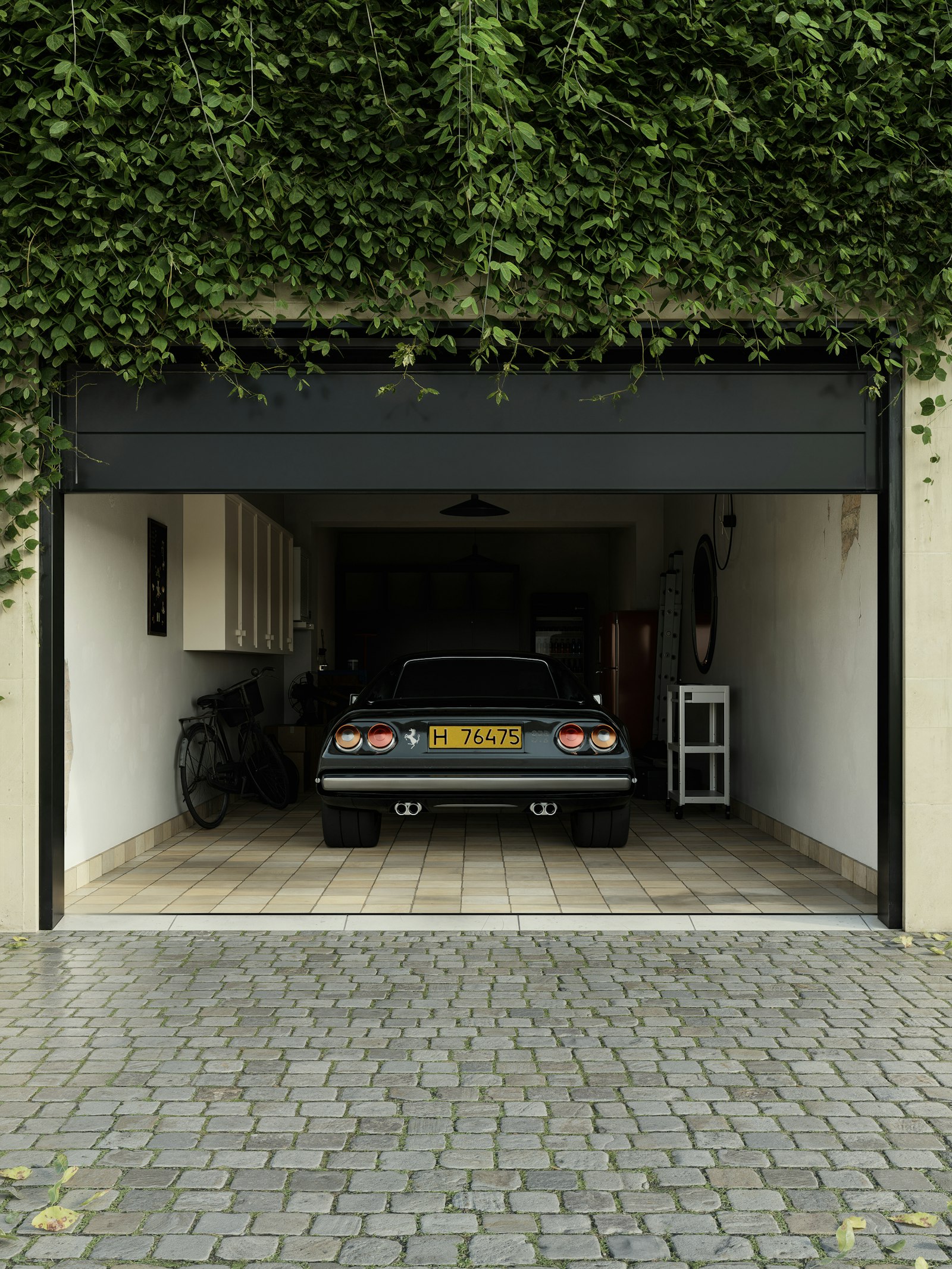
When a car catches fire in a garage, the fire rarely stays with the car. It can destroy the garage, spread into the house and fill the home with smoke. If your car caught fire in your garage, two policies usually respond: your auto policy for the car, and your homeowners policy for everything else.
The car: your auto policy
Homeowners insurance does not cover motor vehicles. Damage to the car itself is covered by the comprehensive (other than collision) part of your auto policy, which covers fire. If you only have liability coverage on the car, there is generally no coverage for the car's own damage.
The garage, house and belongings: your homeowners policy
- Attached garage: damage is paid under the dwelling coverage, together with any damage to the rest of the house.
- Detached garage: paid under other structures coverage, which has its own limit. See garage and outbuilding fires.
- Belongings: tools, bikes, stored items in the garage, and smoke-damaged contents in the house are covered under personal property.
- Living expenses if you cannot stay in the home.
Items in the car that belong to you, like a laptop or sports gear, are usually covered under your homeowners or renters policy, not your auto policy.
Two claims, two deductibles
You will usually file two claims and pay two deductibles: one for auto comprehensive and one for homeowners. If both policies are with the same insurer, ask whether it offers a single deductible for one event. Some insurers do.
Does it matter what caused the fire?
For coverage, usually not much. An accidental car fire is covered under both policies. Cause matters for recovery:
- Manufacturing defects and recalls. Vehicle fires are a common subject of recalls. Check the National Highway Traffic Safety Administration's recall lookup with your VIN. If a defect caused the fire, your insurers may pursue the manufacturer, and you may be able to recover your deductibles and uninsured losses.
- Repair shop errors. A recent repair that left a fuel or electrical problem may make the shop responsible.
- Charging equipment. For electric vehicles, a faulty charger or outlet installation may be the cause.
Electric vehicle fires
EV battery fires can burn very hot, reignite and release large amounts of toxic smoke. The resulting smoke and heat damage in the house may be extensive. Make sure the homeowners claim covers cleaning throughout the home, not just the garage. See smoke damage claims and lithium-ion battery fires.
Preserve the evidence
- Do not let the car be towed to salvage and destroyed before both insurers and any potential defendants have had a chance to inspect it, if possible.
- Photograph the car, garage and charging equipment.
- Keep service records, the VIN and any recall notices.
- Get the fire department report.
See origin and cause investigations.
Coordinating the two insurers
Tell each insurer about the other claim. Both may send investigators. If they disagree on cause, it should not delay your homeowners payment for the house, since fire is covered either way.
Financed or leased cars
If the car is financed or leased, the lender or leasing company is usually listed as loss payee on the auto policy, and a total loss payment goes to it first. If the car was worth less than the loan balance, gap coverage, if you have it, pays the difference. Without it, you still owe the rest. Tell the lender about the fire early, and ask the auto insurer for its valuation and the comparable vehicles it used.
Getting around while the car is replaced
Rental car costs after a car fire are paid under the auto policy only if you carry rental reimbursement coverage. If the house fire also forced you out of your home, your homeowners policy may pay increased transportation costs as additional living expenses, such as a longer commute from temporary housing. It does not replace the burned car. Keep mileage logs and receipts. See additional living expenses.
If you rent the home
If you rent and your car caught fire in the garage, the landlord's policy covers the building and your renters policy covers your belongings and living costs. The landlord's insurer may try to recover from you or your auto insurer if it believes you were at fault. Whether it can often depends on the lease and on state law. See what happens if a tenant causes a fire and renters insurance after a fire.
Code upgrades
Rebuilding an attached garage usually requires current fire separation between the garage and house. See ordinance or law coverage.
Common questions
Does homeowners insurance cover a car that burned in my garage?
No. Damage to the car is covered by the comprehensive part of your auto policy. Homeowners covers the garage, house and belongings.
Who pays if my car fire damaged my neighbor's house?
Your auto liability coverage may respond if the fire arose from the car, and your homeowners liability may also apply depending on the circumstances. Report it to both insurers.
What if the car was under a recall?
Tell both insurers and preserve the car. The manufacturer may be responsible, and you may be able to recover your deductibles. See origin and cause investigations.
My leased car burned. Who gets the check?
Usually the leasing company, as owner and loss payee. Any amount above the payoff may come to you. If the payment is less than the payoff, gap coverage may cover the difference.
Will my auto policy pay for a rental car after the fire?
Only if you have rental reimbursement coverage on that car. Check the declarations page of your auto policy.
Help with a garage car fire
ClaimWarriors handles the homeowners side of garage fires and coordinates with auto claims. Contact us for a claim review.
This article is general information, not legal advice. Last reviewed November 2026.




