

Origin and Cause Fire Investigation: What the Report Means for Your Claim

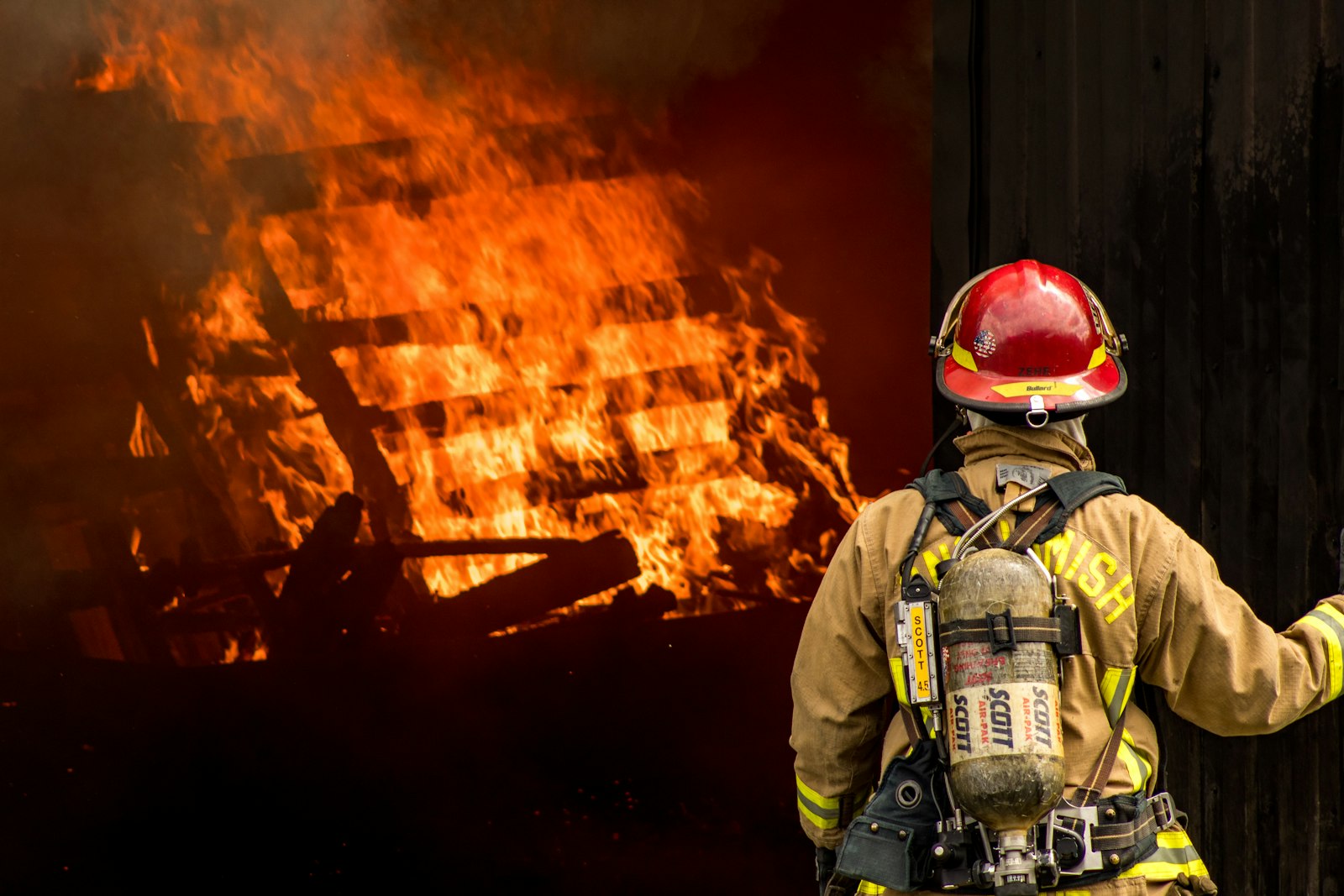
After almost every significant house fire, someone has to answer two questions: where did the fire start, and why? The answers are recorded in an origin and cause report, and they can shape the entire insurance claim. An accidental cause usually means the claim moves forward. An undetermined or incendiary finding can mean months of investigation, an examination under oath or a denial.
Who investigates a house fire
There may be several investigations of the same fire:
- The fire department or fire marshal usually determines origin and cause for public records, and in serious cases for criminal purposes.
- The insurer's investigator, often a certified fire investigator hired by the insurance company, investigates for the claim. Insurers may also hire electrical engineers or other specialists.
- Other interested parties, such as a manufacturer's insurer or a neighbor's insurer, may send their own experts if a product or another property may be responsible.
- Your own expert, if you or your lawyer hire one.
How origin and cause is determined
Professional fire investigators generally follow NFPA 921, the National Fire Protection Association's guide for fire and explosion investigations, which applies the scientific method to fire scenes. Investigators examine burn patterns, the sequence of damage, witness statements, photographs and video, electrical systems and appliances near the area of origin. They may remove items as evidence for lab examination.
The investigator then classifies the cause, usually as one of four categories:
- Accidental: no deliberate human act, such as unattended cooking or an electrical failure.
- Natural: no direct human involvement, such as lightning.
- Incendiary: deliberately set where it should not have been.
- Undetermined: the evidence does not support one cause to the required level of certainty.
What each finding means for your claim
Accidental or natural causes are the usual case, and the claim proceeds normally. Careless cooking, a forgotten candle or a child playing with a lighter are still accidental fires and are covered. See accidentally started a fire.
Undetermined is common when damage destroyed the evidence. It is not a finding of arson. But it can lead the insurer to investigate further, often with a recorded statement, document requests and an examination under oath.
Incendiary means the investigator believes the fire was set. That does not automatically mean the policyholder set it, and a fire set by a stranger or vandal is generally covered. But if the insurer believes an insured was involved, expect a serious coverage fight. See does insurance cover arson.
Protect the evidence
In the days after a fire, it is tempting to start clearing the house. Do not remove anything from the area where the fire started until the insurer confirms in writing that its investigation is complete. Throwing out an appliance, power strip, panel or battery can create a coverage problem, and it can also destroy a possible recovery against a manufacturer. Photograph everything before any cleanup.
Getting the reports
- Fire department report: request it from the fire department or fire marshal. Many departments have a records request process. Basic incident reports are usually available, while investigation reports may be withheld while a criminal investigation is open.
- Insurer's report: ask the adjuster in writing for a copy. Some states require insurers to share documents they rely on when you request them. In California, for example, insurers must provide claim-related documents within 15 days of a request. Insurers sometimes withhold reports while an investigation is ongoing, so ask again once it ends.
See documents to request after a fire for a full list.
When to get your own investigator
Consider hiring an independent certified fire investigator if:
- The insurer's finding is incendiary or undetermined and your claim is stalled or denied.
- The insurer blames a maintenance issue rather than a sudden failure.
- A product or another party may be responsible.
A good investigator will review the insurer's report against NFPA 921 and look for gaps, such as alternative causes that were not ruled out or evidence that was not examined. Hire one early, while the scene still exists.
The investigation and the timeline
Origin and cause work can delay a claim by weeks or months. Insurers are still bound by state claim-handling rules and generally must explain in writing why they need more time. If the investigation drags on, ask for an expected completion date and request partial payments for parts of the claim that are not in dispute, such as living expenses. See insurance company delaying your fire claim.
What fire investigators most often find
Most house fires have ordinary causes. NFPA data for 2017 to 2021 put cooking at an average of 158,400 home fires a year, about 44% of reported home fires. Unattended cooking was the leading factor. Heating equipment caused about 14% of home fires in 2014 to 2018, and failure to clean, mostly chimneys with creosote buildup, was the leading factor in those fires. Clothes dryers are another regular cause, and failure to clean the lint was the leading factor in about a third of dryer fires.
These causes are almost always classified as accidental. An accidental fire is covered even when the homeowner made a mistake. Related guides: kitchen fires, chimney fires and dryer fires.
When the cause raises a coverage question
The finding can matter even when no one suspects arson. Old wiring or a worn appliance is the most common example. Standard HO-3 policies exclude wear and tear, but a fire that follows is usually still covered. The worn part itself may not be paid. See electrical fire insurance claims.
A fire in a home that sat empty is another. Under the standard HO-3, once a home has been vacant for more than 60 days in a row, vandalism is no longer covered, and newer policy forms also exclude a fire started by vandals in that situation. See the vacancy clause.
Fireplace fires are a third. In most states, a fire that stays inside the fireplace is not a covered fire, while one that escapes it is. Courts have treated a chimney fire as the covered kind. See fireplace fires.
When the cause points to someone else
If the investigator finds that a defective product, a contractor or a neighbor caused the fire, your own policy still pays your claim first. Your insurer can then try to recover what it paid from the responsible party. This is called subrogation. If that recovery succeeds, your deductible is often returned to you from it.
This is why the evidence matters so much. A charred power strip, e-bike battery or dryer may be the only proof of a product defect. Keep the item, and keep a written record of who has had it since the fire. See lithium-ion battery fires and damage from a neighbor's fire.
Common questions
Who pays for the fire investigation?
The insurer pays for its own origin and cause investigator. If you hire your own expert, that cost is usually yours unless your policy or a settlement says otherwise.
Can I clean up before the investigation is finished?
Protect the property and prevent further damage, but do not remove items from the area of origin until the insurer confirms in writing that its investigation is done.
What if the cause is listed as undetermined?
An undetermined cause does not mean the claim is denied. Fire is covered unless an exclusion applies. If the insurer suspects arson, see does insurance cover arson.
Can I get my deductible back if a defective product caused the fire?
Sometimes. If your insurer recovers money from the manufacturer or another responsible party through subrogation, it often reimburses your deductible from that recovery. Ask the adjuster whether subrogation is being pursued.
Does the fire department report decide my claim?
No. The insurer makes its own coverage decision, and its investigator may reach a different conclusion than the fire department. A fire department report that lists an accidental cause is still useful evidence, so get a copy.
Help with your fire claim
ClaimWarriors documents fire damage and works with policyholders' experts when the cause of a fire is disputed. See how we handle fire and smoke damage claims, or contact us for a claim review.
This article is general information about property insurance claims, not legal advice. If you are accused of setting a fire, consult an attorney. Last reviewed November 2026.




