Chimney Fire Insurance Claims: Covered Damage vs Maintenance Exclusions

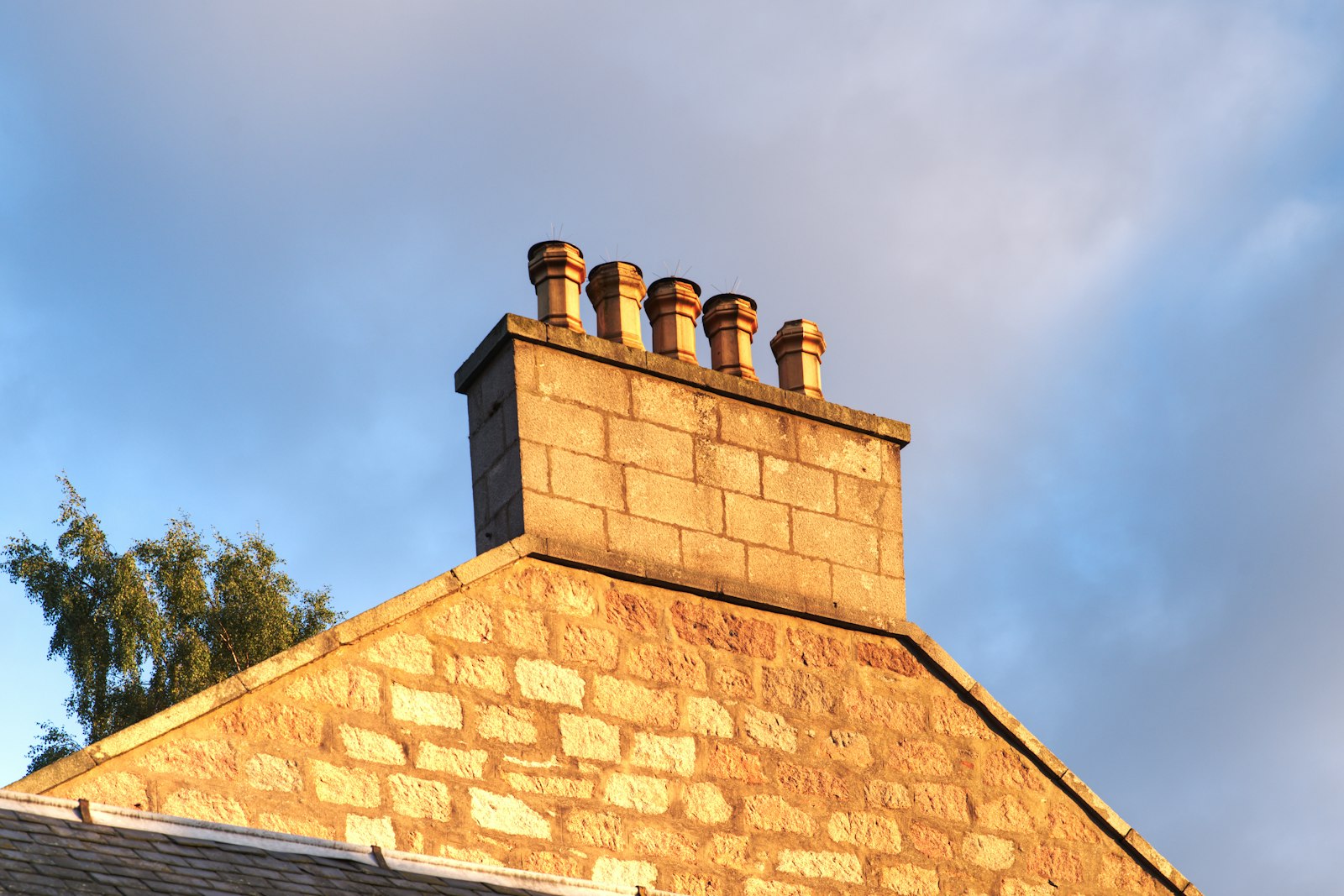
A chimney fire can be loud and dramatic, with a roaring sound, flames shooting from the top of the chimney and dense smoke. Others burn quietly and are only found during the next inspection. Either way, a chimney fire can crack flue tiles, damage the liner and masonry, and send smoke into the house. A chimney fire insurance claim is usually covered, but it often comes with arguments about maintenance.
Why chimney fires happen
Most chimney fires start when creosote, a sticky, flammable residue from burning wood, builds up in the flue and ignites. The National Fire Protection Association reports that failure to clean, mainly chimneys, is the leading factor in home heating fires, and fireplaces and chimneys are involved in roughly three in ten heating equipment fires.
Is a chimney fire covered?
Generally yes. A fire inside the chimney flue is not the fire you meant to light in the fireplace. Courts have long treated a chimney fire as a hostile fire, which is the kind of fire a fire insurance policy covers, rather than a "friendly" fire that stays in its intended place. Damage that results, such as cracked flue tiles, a damaged liner, damaged framing near the chimney, or smoke damage inside, is generally covered as fire and smoke damage.
The maintenance argument
Insurers sometimes point to policy exclusions for wear and tear, deterioration or neglect, or argue that the chimney was already cracked before the fire. Common issues:
- Pre-existing cracks in flue tiles or mortar, claimed to be old rather than caused by the fire.
- Creosote buildup described as a maintenance failure.
- Liner damage attributed to age.
Failing to clean a chimney may be the cause of the fire, but in most policies the cause of a fire does not determine whether the fire is covered, as long as it was accidental. Exclusions for wear and tear generally apply to the worn-out part itself, not to sudden fire damage that results. The dispute usually comes down to which damage the fire caused.
Evidence that helps
- Fire department report confirming a chimney fire.
- Chimney inspection by a certified sweep, ideally with a camera inspection (often called a Level 2 inspection) showing heat damage such as cracked, spalled or displaced tiles, glazed creosote, warped metal and damaged mortar joints.
- Past sweep and inspection records, showing the chimney's condition before the fire.
- Photos of the chimney top, cap, crown and any smoke staining inside.
- Inspection of nearby framing, since heat can char wood that sits too close to the chimney.
Smoke damage inside
Chimney fires often push smoke and soot into living spaces, especially if the damper was open or the flue cracked. Cleaning, sealing, contents cleaning and duct cleaning may be needed. See smoke damage insurance claims and smoke damage on walls.
Code requirements for repairs
Repairs often need to meet current code, including a new liner sized for the appliance. Ordinance or law coverage may help with those costs. See ordinance or law coverage.
Do not use the fireplace
After a chimney fire, do not light another fire until the chimney has been inspected and repaired. A damaged flue can let heat reach the framing and start a second, more serious fire. Using the fireplace before repairs can also create coverage problems.
Fireplace and wood stove fires
For fires that start in the fireplace or stove and spread into the room, see fireplace and wood stove fire claims.
Heating fires by the numbers
The NFPA estimates that U.S. fire departments responded to an average of 48,530 home heating fires each year from 2014 to 2018. That is about 14% of reported home fires. Failure to clean was a factor in 25% of them, mainly chimneys with creosote buildup.
Friendly fire, hostile fire and the courts
Fire insurance has long separated a friendly fire, one lit on purpose that stays where it belongs, from a hostile fire that escapes. In most states, damage from a friendly fire is not covered under the fire peril. A fire that leaves its intended place is hostile. A Massachusetts court treated a chimney fire as hostile as far back as 1896, in Way v. Abington Mutual. Minnesota courts have gone further and treated an excessive or uncontrolled fire as hostile. The dwelling part of most homeowners policies covers open perils, so damage from a friendly fire may still be covered there unless an exclusion applies. The policy wording matters.
What a chimney fire estimate should include
- A camera inspection report and the sweep's written findings.
- Liner repair or replacement, sized for the appliance.
- Repair of flue tiles, crown, cap and mortar joints damaged by the fire.
- Inspection and repair of framing near the chimney.
- Smoke and soot cleaning of rooms and contents.
- Duct cleaning if smoke reached the heating system.
- Permit fees if the repair needs a permit.
For context, Angi puts smoke damage restoration at roughly $200 to $1,200 per room and duct cleaning at about $250 to $500. Your costs will depend on the damage and where you live.
Common questions
Is a chimney fire covered if I never had the chimney cleaned?
Usually yes. Lack of maintenance can raise questions, but fire is generally covered regardless of carelessness. Damage that is pure wear and tear may not be.
How do I know if I had a chimney fire?
Signs include loud popping or roaring, dense smoke, flakes of creosote, cracked flue tiles and warped damper parts. A chimney inspection can confirm it.
Can I use my fireplace after a chimney fire?
No, not until a certified sweep inspects it. Damaged flues can let fire reach the framing. See fireplace and wood stove fires.
Will insurance pay to replace a chimney liner after a fire?
If the fire damaged the liner, usually yes. If the insurer says the liner failed from age, a sweep's inspection report showing heat damage is the key evidence.
Should I call the fire department for a small chimney fire?
Yes. A chimney fire can spread into the walls without being seen. The fire department visit also creates a report you can use for the claim.
Help with a chimney fire claim
ClaimWarriors documents chimney fire damage and pushes back on maintenance-based denials. See why insurers deny fire claims, or contact us for a claim review.
This article is general information, not legal advice. Coverage depends on your policy and state law. Last reviewed November 2026.