Clean or Replace? How Insurers Decide on Smoke-Damaged Walls and Ceilings

Smoke damage on walls and ceilings is the most visible part of most fire claims, and one of the most argued about. The insurer's estimate may say "clean walls" for most rooms. Your restoration contractor may say some walls need sealing and repainting, and others need new drywall. Both can be right in different rooms. What matters is what the residue and heat actually did to each surface.
What smoke does to drywall and plaster
Smoke from a house fire deposits soot, a mix of fine carbon particles and chemical residues from burned plastics, foam, wood and finishes. On walls and ceilings it can show up as:
- Light, dry soot that wipes off with a dry chemical sponge.
- Oily or sticky residue, common in kitchen and plastic fires, that smears when wiped.
- Staining that remains after cleaning, especially on flat paint and textured ceilings.
- Odor absorbed into the paper face of drywall and into the gypsum core near the fire.
- Heat damage: bubbled paint, charred paper, cracked or crumbling gypsum.
The three options for each wall
Clean
Appropriate where residue is light and comes off without staining, and no odor remains. Cleaning usually starts with dry soot sponges and HEPA vacuuming, then wet cleaning with products suited to the residue. Wiping dry soot with water first can smear it and set the stain.
Clean, seal and repaint
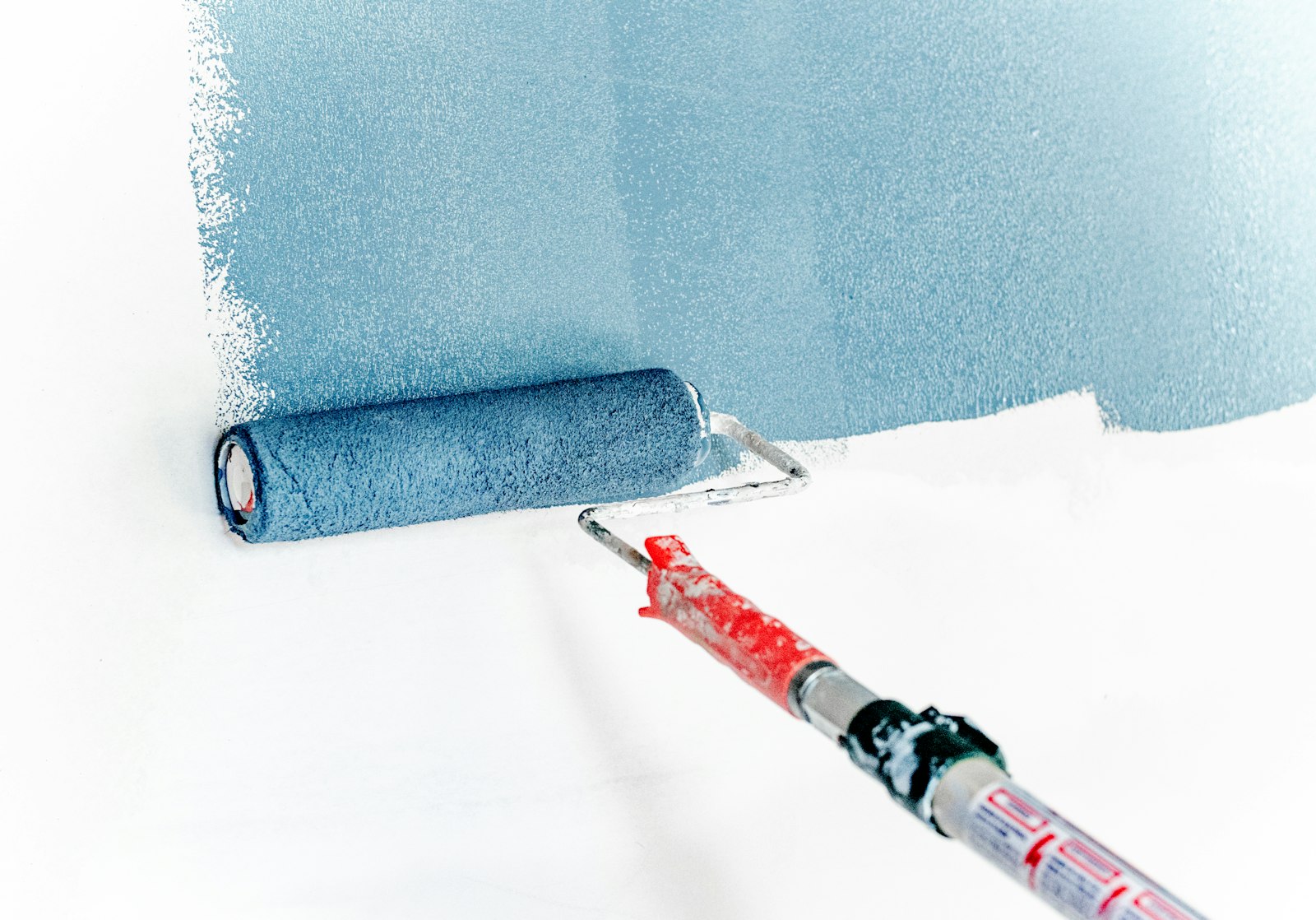
Common for walls with moderate smoke. After cleaning, a stain- and odor-blocking primer (often shellac or specialty sealers) locks in remaining residue and odor, then the walls are repainted. Skipping the sealer is a frequent reason odor or stains come back through new paint.
Remove and replace
Justified where drywall or plaster was charred, heat-damaged, soaked by firefighting water, or so contaminated that cleaning and sealing will not restore it. Walls near the area of origin often fall into this category. Insulation behind replaced drywall usually needs replacing too.
Why "just paint over it" is a bad answer
Painting over smoke without proper cleaning and sealing can trap odor and residue, which then bleed through as yellow or brown staining and return as smell in warm, humid weather. It also leaves contamination in the house. If an insurer's estimate only includes painting in smoke-affected rooms, ask what cleaning and sealing it assumes.
Ceilings and textures
Textured ceilings (popcorn or knockdown) trap soot and are hard to clean. Cleaning can damage the texture, and some older textures may contain asbestos, which must be tested before disturbance. Replacing or re-texturing ceilings is often more realistic than cleaning. Testing costs belong in the claim.
How to support the right scope
- Photograph walls room by room, including close-ups of residue, wipe tests on a white cloth, and staining near ceilings and corners.
- Ask for a test clean. A contractor can clean a small area to show whether staining or odor remains.
- Document odor in each room, and whether it is stronger near walls shared with the fire area.
- Consider testing where contamination is disputed. See smoke damage testing after a fire.
- Get a line-item estimate that lists cleaning, sealing, painting or replacement for each wall and ceiling, not a lump sum.
Matching and continuity
If some walls in a room are replaced and repainted, the rest of the room usually needs repainting too so the color matches. That is standard practice, and some states have rules on uniform appearance. See insurance matching laws after a fire.
Wall cavities and hidden areas
Smoke travels into wall cavities through outlets, switches and gaps around pipes. Odor that persists after walls are cleaned and sealed may be coming from inside the wall. See smoke smell after restoration and the broader smoke damage insurance claims guide.
Line items to look for in a wall estimate
A good estimate prices each surface separately. For each room, look for:
- Cleaning of walls and ceiling, by square foot.
- Sealing with a stain- and odor-blocking primer, by square foot.
- Painting, with the number of coats stated.
- Removing and resetting outlet covers, switch plates, vents and wall-mounted items.
- Masking and protecting floors, windows and fixtures.
- Drywall removal and replacement, with tape, finish, texture and insulation where walls are opened.
- Trim, doors and window frames, which collect soot and are often left out.
If the estimate shows one lump sum for a room, ask for the breakdown. You cannot check what you cannot see.
Lead paint in older homes
Homes built before 1978 may have lead-based paint. When contractors sand, scrape or remove painted surfaces in those homes, federal EPA rules require certified firms to use lead-safe work practices. That adds containment, cleanup and verification steps, and cost. Ask the contractor whether the rules apply to your home and make sure those costs are in the estimate. Insurers sometimes treat them as part of the repair and sometimes under ordinance or law coverage.
Closets, cabinets and behind furniture
The walls people see get cleaned. The ones they do not see get missed. Check inside closets, behind furniture, behind pictures and inside built-in cabinets. A clean outline on the wall where a picture or mirror hung is simple, strong evidence that soot settled on every exposed surface in that room. Photograph it before anything is moved back.
Common questions
Can you paint over smoke-damaged walls?
Not without cleaning first. Paint over soot can fail to stick and odor can come back through it. Walls usually need cleaning, then an odor-sealing primer, then paint.
When does smoke-damaged drywall need replacing?
When heat has damaged it, when it was soaked by firefighting water, or when cleaning and sealing do not remove the odor or staining. Testing can help support replacement.
Will insurance pay to repaint the whole room?
Often yes, when partial painting would leave a visible mismatch. Many states have matching rules. See insurance matching laws.
How much does it cost to restore smoke-damaged walls?
National cost guides put smoke damage restoration at roughly $200 to $1,200 per room. Heavy residue, sealing, textured ceilings and drywall replacement push costs higher. See fire damage restoration cost.
Does insurance pay to repaint trim and doors too?
Yes, when they were affected by smoke. Trim, doors and window frames should be cleaned and, where needed, sealed and refinished along with the walls.
Help with smoke damage to walls and ceilings
ClaimWarriors documents smoke damage room by room and pushes for a scope that actually restores the home. See our fire and smoke claim services, or contact us for a claim review.
This article is general information, not technical or legal advice. Last reviewed November 2026.