

Does Homeowners Insurance Cover a Fireplace Fire? Wood Stove Claims Explained

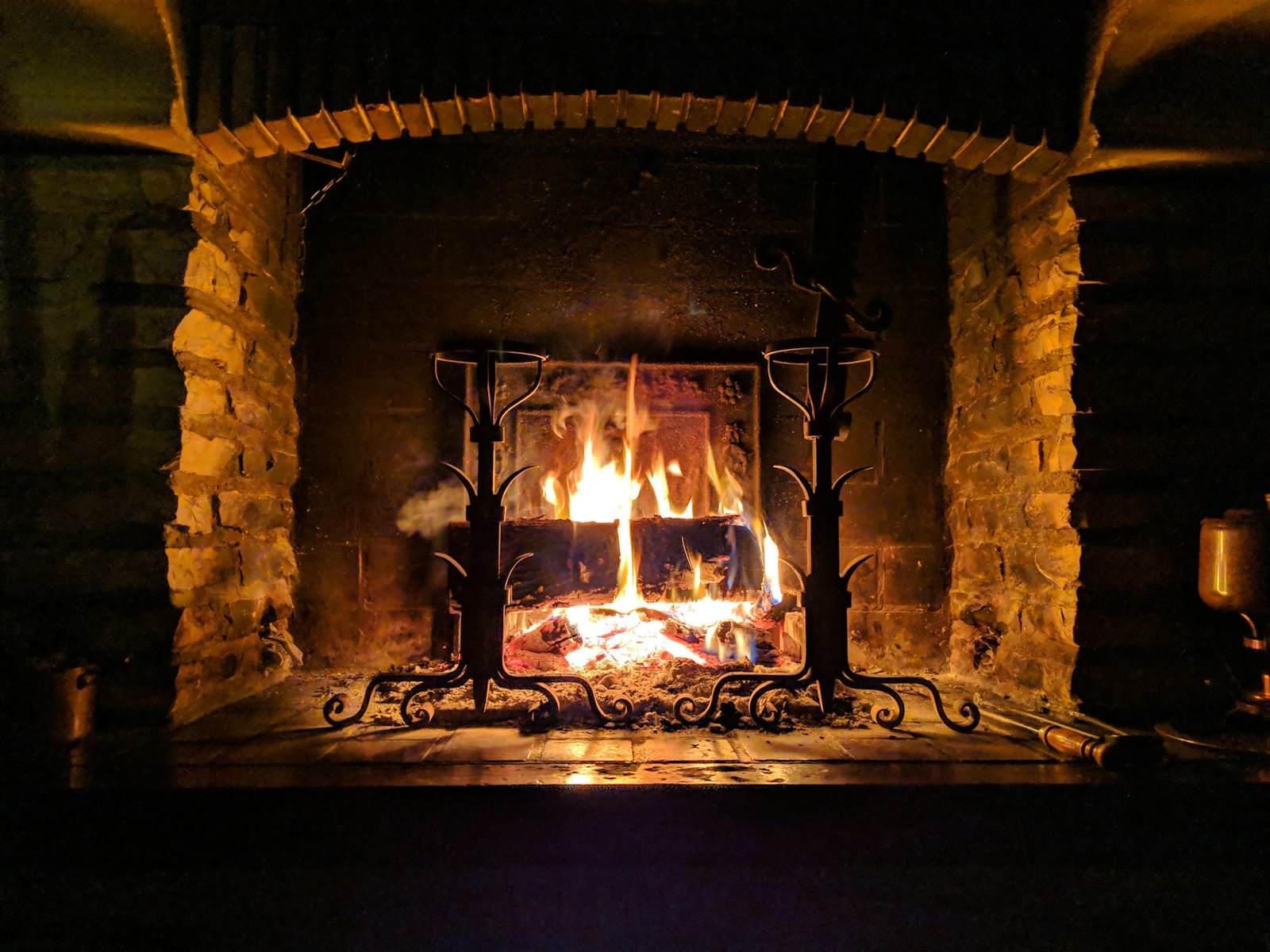
Fireplaces and wood stoves are meant to hold fire. When fire escapes, through a spark that lands on a rug, heat that ignites a nearby wall, or a stove installed too close to combustibles, the damage can be serious. Does homeowners insurance cover a fireplace fire? Usually yes, once the fire has escaped. But fireplace claims raise some unusual coverage rules.
How common heating fires are
The National Fire Protection Association estimated about 48,530 home heating fires a year from 2014 to 2018, roughly 14% of reported home fires. Fireplaces and chimneys were involved in about 3 in 10 of them. The leading factor was failure to clean, in about a quarter of heating fires, mostly creosote buildup in chimneys.
The friendly vs hostile fire rule
For more than a century, courts have distinguished between two kinds of fire:
- A friendly fire is one you lit on purpose that stays where it belongs, like a fire burning normally in the fireplace or stove.
- A hostile fire is one that escapes its intended place, like flames that spread to the mantel or floor.
Under the traditional rule, which most courts still follow, a fire insurance policy covers damage from a hostile fire, not from a friendly one. So if a spark jumps onto the carpet and burns it, the damage is covered. If you accidentally burn something valuable in the fireplace itself, that is usually not covered as a fire loss. Some states apply the rule differently; Minnesota, for example, has treated an excessive or uncontrolled fire as hostile even when it stayed confined.
Many homeowners policies cover the house on an open perils basis, which may cover some damage from a friendly fire unless an exclusion applies. Policy wording matters.
Smoke from the fireplace
A fireplace that backdrafts or a stove that leaks can fill a room with smoke. Whether that is covered depends on the policy. Smoke is a covered peril in standard forms when it is sudden and accidental. Some policies exclude smoke from fireplaces, and gradual soot buildup from years of use is not sudden. A single event, like a blocked flue causing a room to fill with smoke, is a stronger claim than slow staining.
Heat damage to walls and framing
Stoves and fireplaces installed too close to combustible materials can slowly char nearby framing until it ignites. When that finally becomes a fire, the fire damage is generally covered. The insurer may argue the installation was faulty or not up to code, but faulty workmanship exclusions usually apply to the faulty work itself, not the resulting fire.
When the insurer points to maintenance
Because dirty flues cause so many heating fires, adjusters often ask when the chimney was last cleaned. In standard forms, the wear and tear and maintenance exclusions apply to the worn or neglected part itself. The fire that results is generally covered unless another exclusion applies. You may not be paid to fix a cracked flue liner that was failing for years, but the burned walls and belongings are a different matter. Keep sweep invoices and inspection reports, and answer maintenance questions honestly.
Unpermitted or DIY installations
An unpermitted wood stove does not automatically void coverage for a fire. But it can raise questions:
- Did the application ask about wood stoves, and was the answer accurate? A misrepresentation can create problems.
- Does your policy or a state rule require installation to code?
- Will the repair require bringing the installation up to code? See ordinance or law coverage.
What the insurer's investigator looks at
On larger fireplace and stove fires, the insurer may send an origin and cause investigator. They usually check clearances between the stove or firebox and nearby walls, the condition of the flue and liner, the hearth, and how ashes were stored. Do not let a contractor tear out the fireplace, stove or nearby framing before the insurer has had a chance to inspect it. If you hire your own expert, have them document the same areas. See origin and cause investigations.
Documenting a fireplace or stove fire
- Photograph the fireplace or stove, the hearth, surrounding walls, mantel and floor.
- Get the fire department report.
- Have a certified chimney sweep or fire investigator inspect and document the cause.
- Keep installation records, permits and past sweep invoices.
- Do not use the fireplace or stove until it has been inspected.
Protecting the house after the fire
Your policy expects you to protect the home from further damage. The standard homeowners form pays for reasonable repairs made for that purpose, such as covering a hole in the roof or boarding a window. Keep receipts and photos of the work. The standard form also includes up to $500 for a fire department service charge when a department is called to save or protect your property, if you agreed to pay that charge by contract. See the house fire claim process.
Chimney fires
Fires inside the chimney flue are covered differently from a fire in the firebox. See chimney fire insurance claims.
Smoke cleanup
A fire that escapes the fireplace usually leaves smoke residue throughout the room and often the home. See smoke damage claims and smoke-damaged furniture.
Common questions
Is soot on my fireplace walls covered?
Gradual soot buildup from normal use usually is not, because it is not sudden. A single event, like a backdraft that fills the room with smoke, is a stronger claim.
Does an unpermitted wood stove void my fire coverage?
Not automatically, but it can raise questions about application answers and code compliance. Answer the insurer's questions honestly.
Is a fire that spread from the fireplace to the mantel covered?
Yes. Once fire escapes the firebox and damages the home, it is generally covered as a fire loss. See what homeowners insurance covers after a fire.
Can the insurer deny the claim because I didn't clean the chimney?
Usually not for the fire damage itself. Maintenance exclusions generally apply to the neglected part, while the resulting fire is covered unless another exclusion applies. Read the denial letter for the exact wording relied on.
Does homeowners insurance pay the fire department's bill?
The standard form pays up to $500 for a fire department service charge when you agreed to pay it by contract. Check your policy, since some insurers pay more.
Help with a fireplace or stove fire
ClaimWarriors reviews coverage and documents damage on heating-related fires. Contact us for a claim review.
This article is general information, not legal advice. Coverage depends on your policy and state law. Last reviewed November 2026.




