

Is an Accidental Fire Covered by Homeowners Insurance?

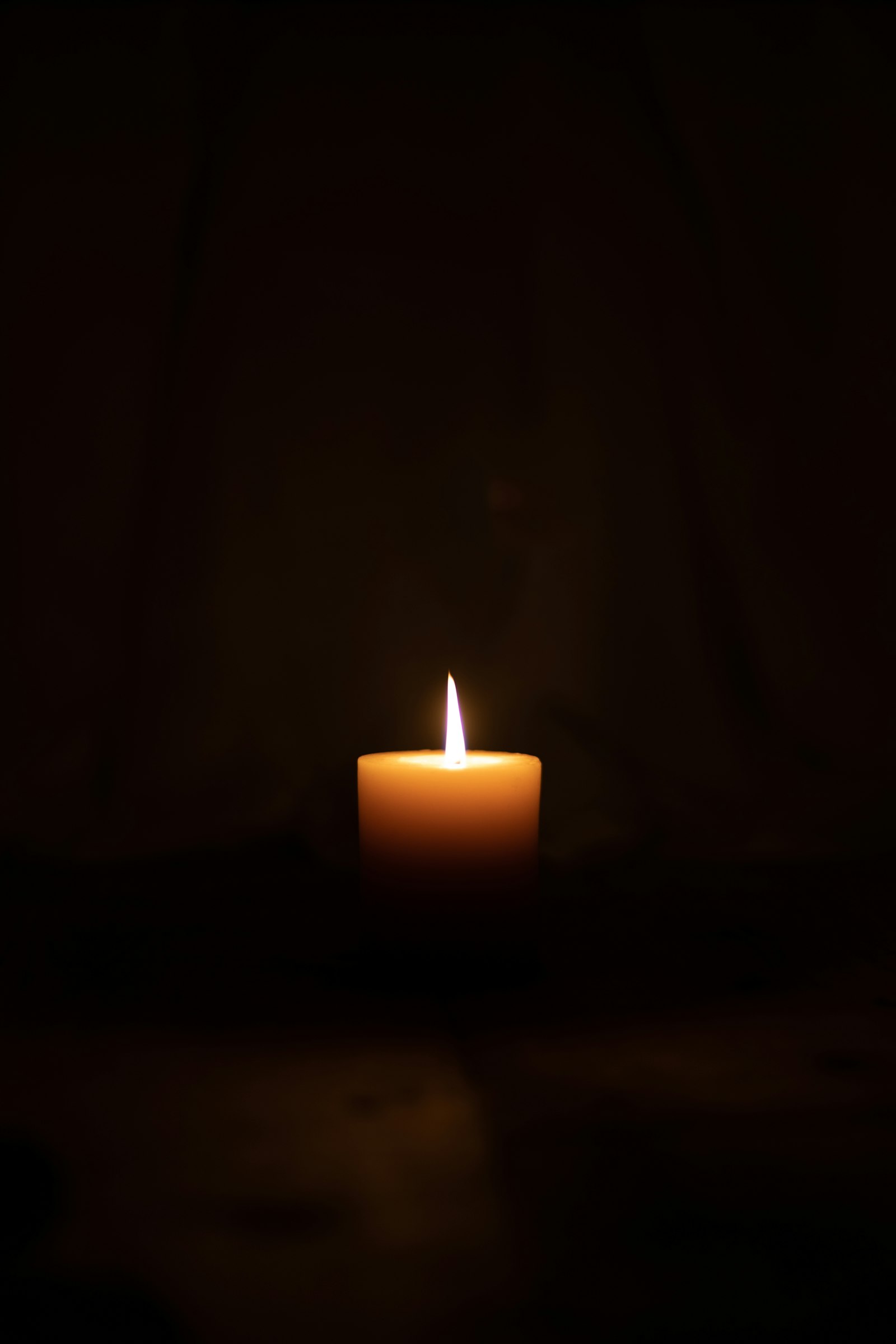
A pan left on the stove, a candle near the curtains, a cigarette in a couch cushion, a child playing with a lighter. Most house fires are accidents, and many are caused by someone in the household. People often feel so guilty that they assume insurance will not pay. Is an accidental fire covered by homeowners insurance? Yes. Homeowners insurance exists for exactly this.
Negligence vs intent
Homeowners policies cover fire as a peril. They exclude intentional loss: a fire set by an insured with the intent to cause damage. They do not exclude carelessness. Leaving cooking unattended, falling asleep with a candle lit or misusing a space heater is negligence, and negligence is covered.
The question insurers ask is whether the fire was intended, not whether it was preventable.
Fires started by children
Fires started by children playing with matches or lighters are generally treated as accidental. Young children usually cannot form the intent to cause a loss in the way the intentional act exclusion requires. Older teens are a harder question, and courts look at the facts. If a child or teen in the household started the fire, tell the insurer honestly and get advice if the insurer raises the intentional act exclusion.
Fires caused by guests or tenants
If a guest starts a fire, your policy covers your property. Your insurer may pursue the guest or their insurance. If a tenant causes a fire in a rental you own, see tenant caused a fire.
If your fire damaged someone else's property
In a duplex, townhouse, condo or apartment, an accidental fire can damage neighbors' homes. The liability part of your homeowners, condo or renters policy may pay for their damage if you are legally responsible. Report it to your insurer and let it handle claims from neighbors and their insurers. See renters insurance after a fire and condo fire insurance.
How the investigation works
For most accidental fires, the fire department's report identifies a likely cause and the insurer accepts it. For larger losses, the insurer may send its own origin and cause investigator. You may be asked for a recorded statement. See recorded statements and origin and cause investigations.
What to say, and what not to say
- Tell the truth about what happened. Misrepresentation can void coverage where the fire itself would have been covered.
- Stick to facts you know. "I was making dinner and stepped out of the kitchen" is better than guessing about things you did not see.
- Do not speculate about causes you are unsure of; say you do not know.
- Do not admit legal fault to a neighbor or another insurer. Let your insurer handle liability questions.
- Correct mistakes in your statements promptly.
Will the claim raise your premium?
A fire claim may affect future premiums or renewal. But for a significant fire, the cost of not filing is usually far greater. See can your insurer drop you after a claim.
Common accidental fire causes
See the related guides on kitchen and grease fires, dryer and appliance fires, fireplace fires and battery fires. Here is how claims usually go for the most common causes:
- Unattended cooking. The most common cause of home fires. Covered, with the usual focus on how far smoke spread.
- Candles. Covered. Expect questions about where the candle was and who was home.
- Smoking materials. Covered. A cigarette in a couch or in mulch can smolder for hours, so the investigator may spend time on the timeline.
- Space heaters and extension cords. Covered. Keep the heater and cord for inspection.
- Fireplace ashes. Hot ashes put in a paper bag or plastic bin are a classic cause. Covered as an accidental fire.
- DIY electrical work. Usually covered as fire damage. Unpermitted work can raise separate questions about the application or the cost of code upgrades.
- Fireworks. A firework that lands on the roof or in dry brush is usually covered as an accidental fire. Illegal fireworks can complicate liability claims from neighbors. See fireworks fire damage.
Gross negligence and reckless conduct
Standard homeowners policies do not have a general exclusion for gross negligence. The intentional loss exclusion is aimed at acts meant to cause damage. Still, conduct that is reckless or illegal can lead an insurer to investigate harder, and a criminal charge can complicate the claim. If the fire involved anything like that, talk to an attorney before giving a statement.
When the cause is listed as undetermined
Fire departments record an origin and cause, often as accidental, incendiary or undetermined. An undetermined cause is common and is not an accusation. Get a copy of the report early, check the facts in it, and ask for corrections in writing if something is wrong, such as the wrong room of origin or a statement you did not make. Your insurer will read it closely.
If someone was hurt
Your own injuries are not covered by your homeowners policy. Health insurance is the first source for those. Injuries to guests or neighbors may be covered under the liability and medical payments parts of your policy. Report any injury to the insurer promptly, even if it seems minor.
Roommates, family members and shared homes
Who counts as an insured matters. Relatives who live in your household are usually insureds under your policy. Roommates who are not relatives usually are not, so they need their own renters insurance for their belongings. If you rent, the landlord's policy covers the building, and your renters policy covers your belongings, your living expenses and your liability if you caused the fire. See what happens if a tenant causes a fire.
Common questions
Will my premium go up after an accidental fire claim?
Possibly. Insurers consider claims history at renewal. For a significant fire, the coverage usually far outweighs any premium increase.
Is a fire caused by a teenager covered?
Usually, if it was an accident. If the insurer argues the teen intended to cause damage, the intentional act exclusion may be raised. Get advice if that happens.
Can my insurer refuse to pay because I was careless?
No, carelessness alone is not a reason to deny a fire claim. Intentional acts and fraud are. See why insurers deny fire claims.
Does homeowners insurance cover a fire started by a candle?
Yes, in most cases. A candle fire is an accidental fire and is covered like any other.
Can my own insurer come after me for starting the fire?
Generally no. An insurer cannot pursue its own insured to recover what it paid on that insured's claim. It may pursue someone outside the policy, such as a guest or a contractor.
Help with your fire claim
ClaimWarriors represents homeowners after accidental fires and makes sure the claim is fully documented. Contact us for a claim review.
This article is general information, not legal advice. Last reviewed November 2026.




