

Is a Dryer Fire Covered by Insurance? Dryer, Space Heater and Appliance Fires

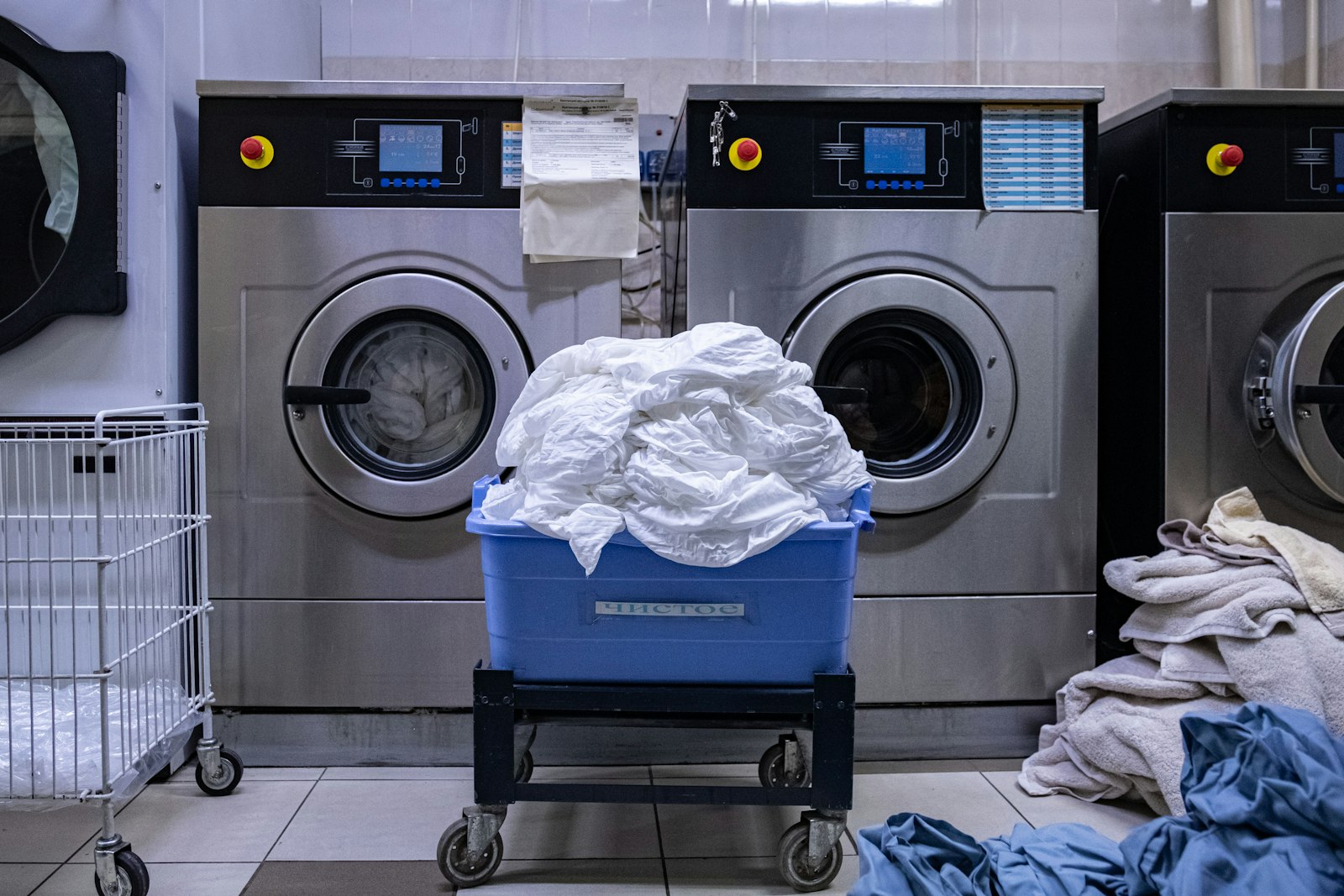
Appliances start thousands of house fires every year. Clothes dryers are a common source: the U.S. Fire Administration estimates about 2,900 residential dryer fires are reported each year, and failure to clean is the leading factor. Space heaters, dishwashers, refrigerators and other appliances also cause fires. Is a dryer fire covered by insurance? Generally yes. But appliance fires come with two recurring issues: maintenance arguments and product defect claims.
Appliance fires are generally covered
Homeowners policies cover accidental fires, and an appliance fire is accidental even if the appliance was poorly maintained. Damage to the house, belongings, smoke damage and living expenses are covered like any other fire. See the house fire claim process.
The lint and maintenance argument
Insurers sometimes point to a clogged dryer vent or lack of maintenance. Policies exclude wear and tear, deterioration and mechanical breakdown, but those exclusions are usually aimed at the worn-out item itself. The fire that results is generally still covered. The dryer itself may not be paid if it simply broke, but if it was destroyed by the fire it is usually part of the contents claim.
Negligence, like forgetting to clean a lint trap, does not usually void fire coverage. Intentional acts do. See accidentally started a fire.
Smoke spread from laundry rooms
Dryer fires often happen in basements, closets or laundry rooms next to bedrooms. Smoke from burning lint, plastics and clothing spreads through walls, ducts and stairwells. Make sure the claim covers cleaning throughout the affected areas, not just the laundry room. See smoke damage claims and smoke-damaged clothing.
Space heaters
Space heaters are involved in most home heating fire deaths, usually because they were too close to bedding, furniture or curtains. These fires are generally covered as accidental fires. The heater should be kept for inspection.
Product defects and recalls
Many appliance fires are caused by defects. If the appliance was defective:
- Your insurer pays your claim and may pursue the manufacturer to recover what it paid. This is called subrogation.
- You may have your own claim against the manufacturer for losses the policy did not cover, like your deductible, uninsured items or injuries.
- Check whether the appliance was under recall, using the Consumer Product Safety Commission's recall search.
Preserve the evidence
- Do not throw away the appliance or its remains.
- Photograph the appliance where it sits, including the cord, outlet and vent.
- Keep model and serial numbers, purchase records and manuals.
- Do not let anyone remove the appliance without agreement from the insurer, and ask that all parties be notified before it is examined.
Losing or discarding evidence, called spoliation, can hurt the insurer's subrogation case and sometimes your own claim. See origin and cause investigations.
Electrical fires
When an appliance fire involves the outlet, wiring or panel, it overlaps with electrical fire issues. See electrical fire insurance claims.
Dryer fires by the numbers
The broader numbers are larger than the dryer count alone suggests. The National Fire Protection Association reported an average of 15,970 home fires a year in 2010 to 2014 involving clothes dryers or washing machines, with $238 million in direct property damage. Failure to clean was the leading factor in about a third of dryer fires. Those numbers explain why adjusters ask about lint. They do not change the basic rule that an accidental fire is covered.
The dryer vent and code upgrades
Many dryer fires start or spread inside the exhaust duct. When the laundry area is repaired, the building department may require the vent to meet current code. Many local codes require rigid or semi-rigid metal exhaust duct, limit the length and number of bends, and require the duct to vent outdoors. If your old vent was foil or plastic, or ran into an attic or crawlspace, the cost of bringing it up to code may fall under ordinance or law coverage. Ask the contractor to show the vent work as a separate line item.
Gas dryers
A fire involving a gas dryer adds the gas supply to the picture. The gas company or a plumber should shut off and inspect the line before anything is reconnected. Those service calls, any repairs to the gas line and the cost to relight other gas appliances belong in the claim. Keep the service tickets.
Shared laundry rooms
In apartments and condos, a dryer fire in a shared laundry room raises the question of whose insurance pays. The landlord's or association's policy usually covers the building and its own machines. Your renters or condo policy covers your belongings, your living expenses if you are displaced, and your liability if you caused the fire. See renters insurance after a fire and condo fire insurance.
When a service company caused the fire
Sometimes the cause is work someone else did: a dryer installed with the wrong duct, a gas connection done badly, or a vent cleaning company that left a blockage. Your insurer still pays your claim and may then pursue the company. Keep invoices, the company's name and any photos of their work. Your deductible may be recovered if the insurer succeeds. See how subrogation works.
Common questions
Will my insurer deny a dryer fire claim because I did not clean the vent?
Usually not. Negligence like failing to clean a lint trap does not normally void fire coverage. The insurer may decline to pay for the dryer itself as wear and tear, but the fire damage is generally covered.
Can I sue the dryer manufacturer?
If a defect caused the fire, you may have a product liability claim for losses insurance did not cover, such as your deductible. Keep the dryer and its remains, and check for recalls.
Are space heater fires covered?
Yes, as accidental fires. Keep the heater for inspection, since the insurer may want to pursue the manufacturer.
Does renters insurance cover a dryer fire?
Yes. A renters policy covers your belongings, your extra living costs if you are displaced and your liability if you caused the fire. The landlord's insurance covers the building.
Can my insurer pay less because the dryer was old?
Age does not affect whether the fire is covered. It does affect the value of the dryer itself, which may be depreciated if your policy pays actual cash value.
Help with an appliance fire
ClaimWarriors documents appliance fires, coordinates with investigators and makes sure the full smoke scope is included. Contact us for a claim review.
Statistics from the U.S. Fire Administration. This article is general information, not legal advice. Last reviewed November 2026.




