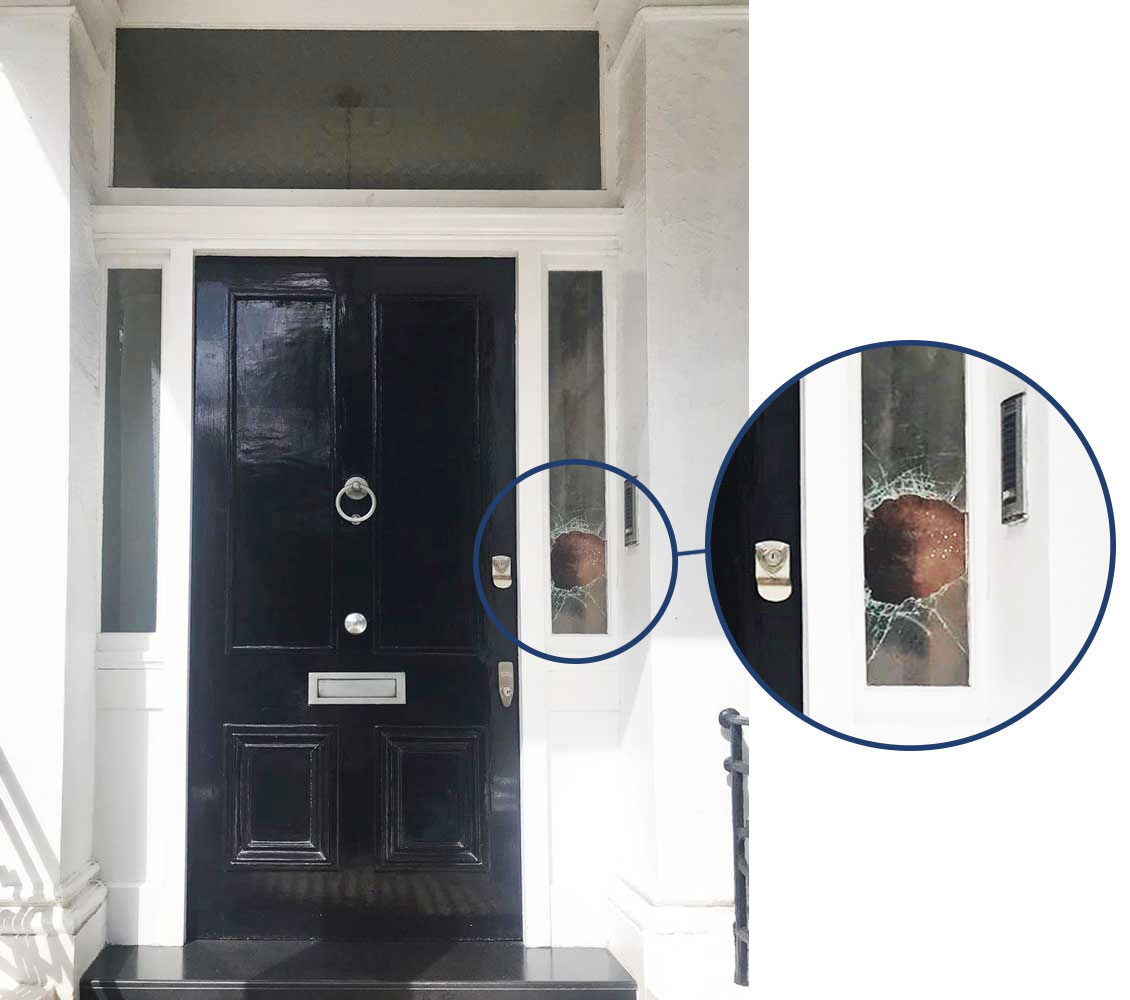
Proof of Ownership for an Insurance Claim With No Receipts


You can still show proof of ownership for an insurance claim with no receipts. Insurers accept other evidence, such as photos and videos, bank and credit card statements, online order histories, product manuals, packaging, warranty registrations, appraisals and statements from people who saw the items. A homeowners policy asks you to show the damaged or stolen property and to give an inventory with the quantity, description, actual cash value and amount of loss, with the bills, receipts and related documents that support it. It doesn't say receipts are the only way.
This guide covers what the policy requires, where to find records you didn't know you had, and how to build an inventory the insurer can work with after a theft, fire or other loss.
What the policy asks for
The duties after loss section of the ISO HO 3 form, in its 2011 edition, asks you to prepare an inventory of damaged personal property showing the quantity, description, actual cash value and amount of loss, and to attach all bills, receipts and related documents that justify the figures. It also asks you to show the damaged property as often as reasonably required and to submit a signed, sworn proof of loss within 60 days of the insurer's request.
The wording is "bills, receipts and related documents." Receipts are one type of evidence. Related documents can include the other records listed below.
Where to find proof without receipts
Check each of these sources:
- Photos and videos on your phone or in cloud backups, including holiday and party photos that show rooms and furniture in the background.
- Bank and credit card statements, including older statements your bank can send on request.
- Order histories in your online store accounts.
- Emailed receipts and order confirmations. Search your inbox for store names.
- Store loyalty accounts and membership purchase records.
- Product registrations, warranties and extended service plans.
- Manuals, boxes, chargers, remotes and accessories that survived.
- Appraisals, insurance schedules and previous claims.
- Social media posts showing items in your home.
- Statements from family, friends or guests who saw the items.
For electronics, the serial number on a box or in an online account helps prove ownership and value. Phones and laptops may be registered to your account with the manufacturer.
Building the inventory room by room
Walk through each room in your mind, or through photos, and list what was there. Start with large items, then go drawer by drawer and closet by closet. For each item, note:
- A description, with brand and model if you know them.
- The quantity.
- Roughly when and where you bought it.
- What it would cost to replace with similar quality.
- What proof you have, if any.
Insurers may give you a spreadsheet template. Use it if it works, but you can also send your own list. In California, after certain disasters, the law limits what insurers can demand. See below.
California inventory rules after disasters
California Insurance Code section 2061 applies to claims arising from a declared state of emergency for a total loss of a primary home. Under it, an insurer can't require you to use its own inventory form if you use a reasonable form that gives the needed information. It also must accept an inventory that groups items by category, such as clothing, shoes, books, food and CDs or DVDs, without listing every item.
After the January 2025 Los Angeles fires, the California Department of Insurance asked insurers to pay contents claims without itemized inventories, and announced that several insurers agreed. Check with the California Department of Insurance for current terms. Other states don't necessarily have the same rules.
Valuing items without a purchase price
Personal property is paid at actual cash value under the base form, or replacement cost if you added that coverage. Without a receipt, price the item by finding a current listing for the same or a similar product. Save screenshots of comparable items with prices and dates. See like kind and quality for how insurers decide what counts as similar.
Theft claims
In a theft claim, the item is gone, so you can't show it to the adjuster. Proof of ownership matters more. A police report listing what was taken, combined with photos and financial records, is the core of the claim. See homeowners theft claim denied and mysterious disappearance insurance.
High-value items such as jewelry, watches, firearms and silverware have special theft limits under the base policy. If the item was scheduled, the appraisal on file is your proof of value. See jewelry theft insurance limits.
Fire claims
After a fire, burned items may still show what they were. Photograph the remains before they're hauled away, including melted electronics and burned furniture frames. See house fire inventory list. Damaged cabinets, appliances and built-ins are part of the dwelling, not contents. See smoke-damaged kitchen cabinets.
Organizing what you send
Number each item on the inventory and label the matching evidence with the same number, so the adjuster can check one line at a time. Put photos, statements and screenshots in one folder per room. Send copies, keep the originals, and keep a dated record of what you sent and when. If the insurer asks for something you already sent, point to the item number and the date it went out.
When the insurer questions your list
The insurer can ask for an examination under oath, records and other documents it reasonably needs. Answer honestly. If you don't know the brand or price of an item, say so and give your best estimate. Inflating values or adding items you didn't own is fraud and can void the whole claim. Keep notes of every conversation and send documents in writing.
Start a home inventory now
The easiest proof is a record made before a loss. The NAIC offers a free home inventory app, and the Wisconsin Office of the Commissioner of Insurance publishes a home inventory guide. A video walk-through of every room, with drawers and closets open, is another quick option. Store it in the cloud or away from home.
Example: a burglary with no receipts
A family returns from vacation to find their TV, two laptops, a gaming console and jewelry stolen. They have no receipts. They pull credit card statements showing the TV and console purchases, find the laptops in their manufacturer accounts with serial numbers, and send birthday photos showing the jewelry. The insurer accepts the electronics and pays the jewelry up to the policy's theft limit. These facts are illustrative.
Common questions
Can I file a claim without receipts?
Yes. Photos, bank records, order histories and other documents can prove ownership and value.
What if I have no photos either?
List the items with descriptions and estimated values, and add statements from people who saw them. Packaging, manuals and accessories also help.
Can the insurer deny a claim for lack of receipts?
The policy asks for bills, receipts and related documents. A denial based only on missing receipts can be challenged with other evidence.
How far back do I need records?
As far as you can find. Older items are valued with depreciation, so the replacement cost of a similar item matters more than the original price.
Need help with a contents claim?
ClaimWarriors builds personal property inventories and documents values for theft and fire claims. See our theft claim services, our fire claim services or contact us for a free claim review.
This article is general information, not legal advice. Coverage depends on your policy wording and state law. Last reviewed November 2026.