Homeowners Theft Claim Denied? Reasons and How to Respond


A homeowners theft claim denied by your insurer can come down to one of a few policy rules: the item was simply lost rather than stolen, the policy's special limit for that kind of property was reached, the theft wasn't reported to the police, the person who took it is an insured, the property was in a place the policy doesn't cover, or the insurer doubts the claim itself. Some of those denials are correct under the policy. Others can be overturned with better evidence or a closer reading of the wording.
This guide goes through each reason, what the standard policy actually says, and how to respond.
How theft coverage works
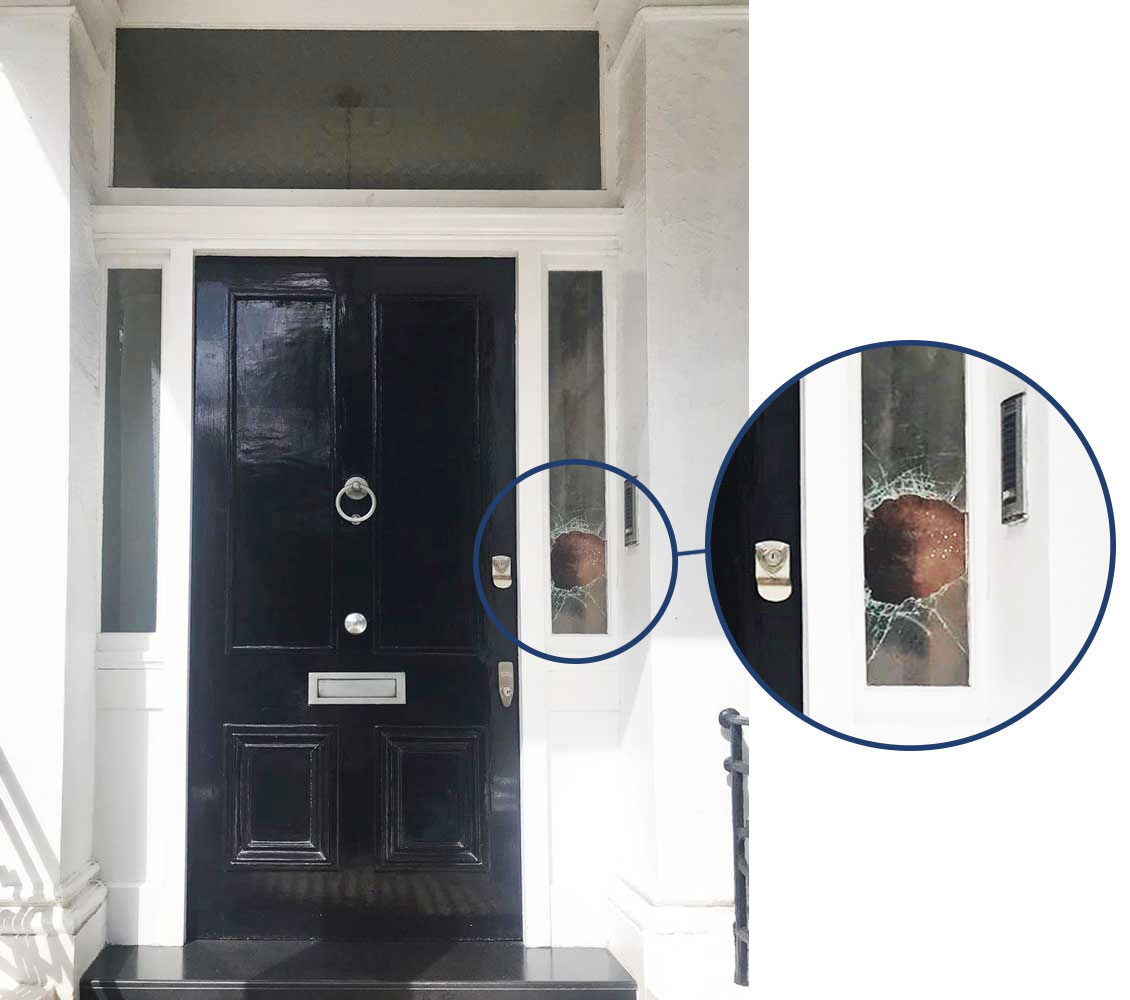
Your belongings are covered under Coverage C, personal property, against named perils. The ISO HO 3 form, a standard form insurers use as a model, lists theft as one of those perils. Its 2011 edition says theft includes attempted theft and loss of property from a known place when it is likely the property has been stolen. Damage to the house from a break-in, such as a broken door, falls under the dwelling coverage. See break-in damage claims.
Reasons theft claims are denied
The item was lost, not stolen
Standard homeowners coverage protects against theft, not simple loss. If you can't show the item was likely stolen from a known place, the insurer may call it a mysterious disappearance and deny it. Scheduled items are a different story. See mysterious disappearance in homeowners insurance.
Special limits
The ISO form caps theft of certain property, no matter how high your personal property limit is. The caps include $1,500 total for theft of jewelry, watches, furs and precious stones, $2,500 for theft of firearms, $2,500 for theft of silverware and goldware, and $200 for money. A denial for the amount above the cap is a correct application of the policy unless the items were scheduled. See jewelry theft insurance limits.
No police report
The policy's duties after loss require you to notify the police in case of theft. Failing to do so can give the insurer grounds to deny, although under the ISO form a failure to meet a duty voids coverage only if it prejudices the insurer. File a report even if you think the police won't investigate.
Theft by an insured or by someone you let in
The theft peril excludes theft committed by an insured, which includes resident relatives. Theft by a guest, contractor or house sitter is still theft, but insurers may question whether the item was stolen at all. Give the police the name of anyone you suspect.
Property in a place the policy doesn't cover
The theft peril doesn't cover theft from a dwelling under construction, theft from part of your home you rent to others, or theft away from home of trailers, campers and watercraft. Property at another residence you own or rent is excluded off premises unless you're temporarily living there. Property you keep at another residence or a self-storage unit is limited to 10% of your personal property limit or $1,000, whichever is greater.
Business property
Property used primarily for business is limited to $2,500 on your premises and $1,500 away from them. Tools, laptops and inventory used for work can run into those limits. See tools stolen from a truck or garage.
Vacancy and rental units
Vandalism to the dwelling is excluded if it was vacant for more than 60 days before the loss. Landlord policies have their own rules for theft and tenant damage. See tenant vandalism and landlord insurance.
Proof of ownership and value
The policy asks for an inventory and any bills, receipts and documents that support the figures. Insurers may deny or reduce items without proof. Receipts aren't the only evidence. See proof of ownership without receipts.
Suspected fraud or misrepresentation
The policy voids coverage for intentional concealment, misrepresentation or false statements about the claim. Insurers may investigate large or unusual theft claims, ask for an examination under oath, or request financial records. Inconsistent statements, delayed reporting and claimed items you can't document can all trigger a fraud denial. Be accurate and consistent, and don't guess about values. See what not to say to an insurance adjuster.
How to respond to a denial
- Ask for the denial in writing with the exact policy provision relied on.
- Read that provision in your own policy, not a summary.
- Separate items denied for coverage from items reduced by a special limit.
- Gather new evidence, such as the police report, photos, bank and card statements, serial numbers, and witness statements.
- Send a written response addressing each reason, with your evidence.
- Ask for a reconsideration, and if that fails, consider an appeal, your state insurance department, or a public adjuster or attorney.
See how to appeal a denied home insurance claim.
When the denial is wrong
Denials are worth challenging when:
- The insurer called a theft a mysterious disappearance, but there's evidence of forced entry or a known window of time and place.
- The insurer applied a jewelry or firearms limit to items that weren't jewelry or firearms.
- The insurer treated personal tools as business property without evidence they were used primarily for business.
- The insurer denied for a late police report without showing how the delay hurt its investigation.
- The insurer applied a vacancy rule from an older policy edition or a different form.
Homeowners vs. renters
Renters policies have a similar theft peril and similar special limits. A renter's belongings stolen from an apartment are covered under the renter's own policy, not the landlord's.
Example: a partial denial after a burglary
Burglars force a back door and take a laptop, a camera, a watch collection and cash. The insurer pays the door repair, laptop and camera, but limits the watches to $1,500 and the cash to $200. It also denies a second laptop, saying it was used for the homeowner's consulting business. The homeowner shows that the second laptop was a family computer used for school and personal email, with a business laptop provided by a client. The insurer pays the second laptop under the regular personal property coverage. These facts are illustrative.
Write down the date and time of every call with the insurer, who you spoke to and what was said.
Common questions
Why would insurance deny a theft claim?
Reasons include no evidence of theft, special limits, no police report, theft by an insured, excluded locations, business property limits and suspected misrepresentation.
Do I need a police report for a theft claim?
Yes. The standard policy requires you to notify the police in case of theft.
Can I appeal a denied theft claim?
Yes. Send a written response with new evidence, ask for reconsideration, and use your state's complaint process or appraisal if the dispute is about value.
Is jewelry theft fully covered by homeowners insurance?
Not under the standard special limit, which is $1,500 total for theft of jewelry, watches and furs unless the items are scheduled.
Theft claim denied?
ClaimWarriors reviews theft denials against the policy wording and rebuilds the proof the insurer asked for. See our theft and vandalism claim services, our help with denied and underpaid claims, or contact us for a free claim review.
This article is general information, not legal advice. Coverage depends on your policy wording and state law. Last reviewed November 2026.