Does Homeowners Insurance Cover Ceiling Damage From a Leak?


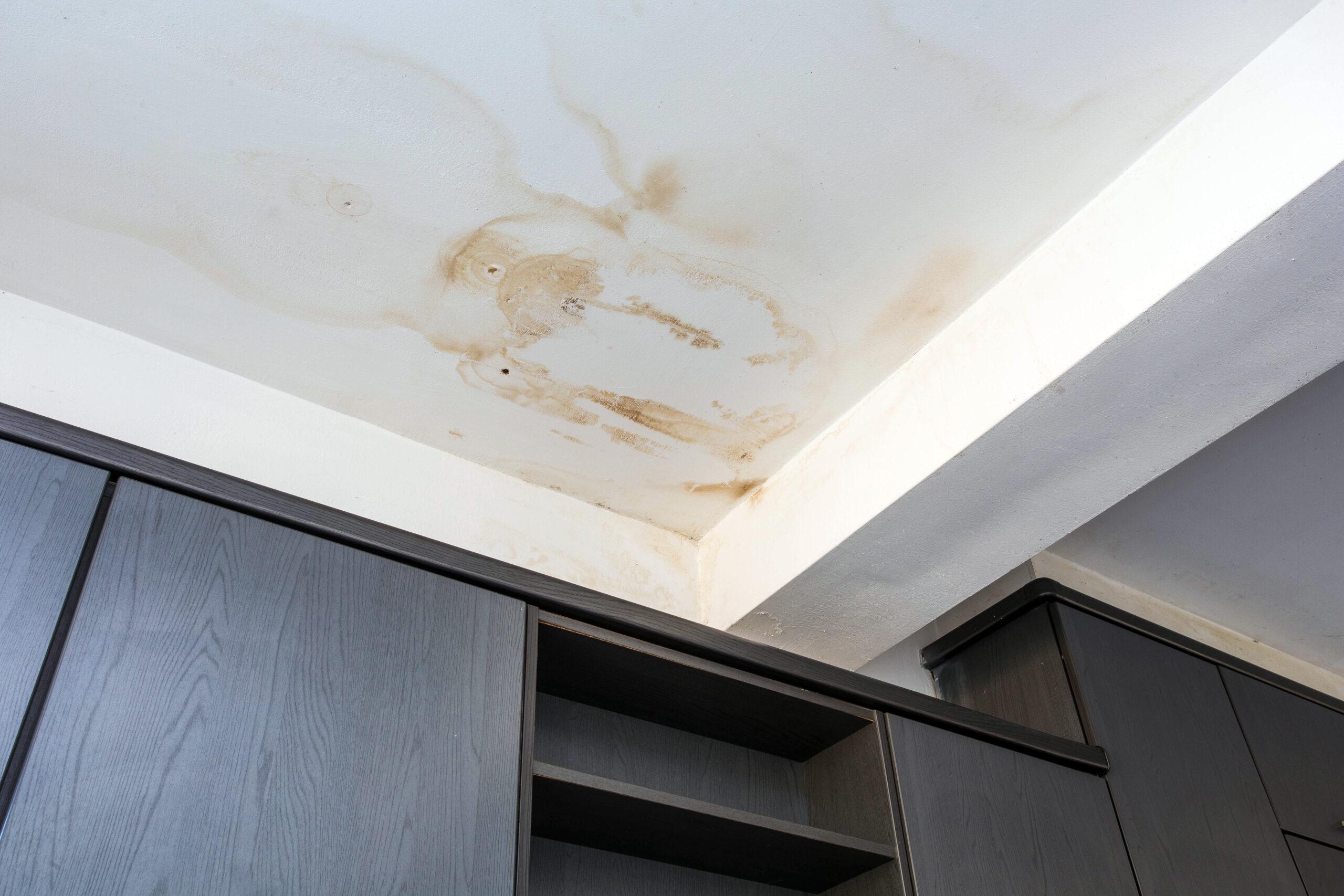
Does homeowners insurance cover ceiling damage from a leak? Yes, when the water came from a covered cause, such as a burst pipe above the ceiling, an overflowing tub or toilet upstairs, or a roof opened up by wind or hail. It may not when the leak comes from an old, worn roof, a slow drip that went on for months, or condensation. The ceiling is only the place the water showed up. The source decides the claim, so finding it comes first.
This guide walks through the common sources of a ceiling leak, how the standard policy treats each one, and what a full ceiling repair should include.
Find the source before you file
A water stain on a ceiling has only a few possible causes. Look at where it is and when it appears.
- A stain below a bathroom can point to a supply line, valve, drain, toilet or shower leak.
- A stain below the attic near an air handler can point to an air conditioning condensate line or an overflowing drain pan.
- A stain on the top floor that gets worse after rain can point to the roof, flashing, a skylight or a vent boot.
- A top-floor stain that shows up in winter may be an ice dam or condensation in the attic.
- A stain that stays wet whether or not it rains suggests a pressurized supply pipe running through the ceiling.
A plumber or roofer can confirm the source. A moisture meter and a look into the attic or through a small inspection hole can help settle it. Get the finding in writing.
How the standard policy treats each source
Plumbing leaks above the ceiling
The standard ISO homeowners form, HO 00 03, covers loss from an accidental discharge of water from a plumbing, heating or air conditioning system or a household appliance. It includes the cost to tear out and replace part of the building, such as the ceiling, when needed to repair the system. It does not pay for the pipe itself. Disputes come up when the insurer believes the leak went on for a long time. See does homeowners insurance cover plumbing leaks.
Bathrooms upstairs
An overflowing tub or toilet can be covered as an accidental overflow. Slow leaks around a shower pan, tile or a toilet's wax ring can be denied as wear and tear or, under some insurers' forms, repeated seepage. See shower leak insurance claims and toilet overflow claims.
Air conditioning
Air conditioning systems are named in the accidental discharge wording, so a sudden overflow of a drain pan or a burst line is generally covered for the water damage. A condensate line that dripped into the ceiling for a whole summer is more likely to be disputed.
Roof leaks
The house is covered on an open-perils basis, so interior damage from a roof that a storm opened up is generally covered. For belongings, the standard form covers rain damage inside only if wind or hail first created an opening in the roof or a wall. Leaks from an aging roof can be denied as wear and tear. A roofer's report showing fresh storm damage, such as creased or missing shingles or hail hits, is the evidence that matters. See roof leak claims denied for wear and tear and wind-driven rain damage.
Ice dams
Water that backs up behind an ice dam and drips through the ceiling is generally covered as interior water damage. Removing the ice itself may not be. See ice dam insurance claims.
Condensation and attic moisture
Moisture from poor attic ventilation or bathroom fans vented into the attic builds up over time. Insurers treat this as a maintenance or construction problem. Damage from it may not be paid.
A neighbor's unit
In a condo or apartment, a leak from the unit above raises questions about the master policy, your own policy and the neighbor's liability. See water damage from an upstairs unit. If you rent, your own policy covers your belongings. See does renters insurance cover water damage.
What the adjuster will look for
When an adjuster sees a ceiling stain, they look for signs of age: rings of staining that show the leak dried and came back, dark discoloration on the framing above, crumbling drywall, rot around the fixture overhead, and mold. They will also ask when you first noticed it. Answer with facts, such as the date you saw it and what you did next, and don't guess at how long it had been leaking. If the stain is new, older photos of the room, such as listing photos or family pictures with the ceiling in the background, can show it was clean.
If the adjuster inspected only from below, ask for a reinspection that looks above the ceiling. Wet joists, insulation and wiring are easy to miss from the room underneath.
What a ceiling repair should include
An insurer may price a ceiling leak as a patch and a coat of paint. A proper repair can involve more.
- Removing wet drywall or plaster that can't be dried or has sagged.
- Replacing wet insulation above the ceiling. The EPA lists cellulose and fiberglass insulation among water-damaged materials that may have to be thrown away.
- Drying the framing above.
- Matching the ceiling texture, such as knockdown or popcorn, across the room.
- Priming stains so they don't bleed through, then painting the full ceiling so the color matches.
- Removing and resetting light fixtures, fans and smoke detectors.
- Protecting and moving furniture.
If the texture is old, ask whether it needs testing before anyone disturbs it. Some older textured ceilings contain asbestos, and testing and abatement change the scope and cost.
When a ceiling sags or falls
A ceiling holding water can bulge and drop suddenly. If it's sagging, keep everyone out of the room and, if it's safe, poke a small hole at the lowest point with a bucket underneath to release the water. The policy expects you to take reasonable steps to prevent more damage, and it pays reasonable costs to do so. Coverage for the collapse itself follows the same question as the rest of the claim: what caused the water.
How to file a ceiling leak claim
- Stop the water if you can. Shut off the supply, stop using the fixture above, or tarp the roof.
- Photograph the stain, any sagging, and the source.
- Get a plumber's or roofer's written report on where the water came from and how the part failed or how the roof was damaged.
- Dry the area quickly. The EPA says water-damaged materials should be dried within 24 to 48 hours to prevent mold.
- Report the claim with the source clearly stated.
- Compare the insurer's estimate with a contractor's, line by line, for insulation, texture, full-ceiling paint and fixtures.
Common questions
Does homeowners insurance cover a ceiling leak from the roof?
Yes, if wind, hail or another covered cause damaged the roof. A leak from a worn-out roof can be excluded as wear and tear.
Does insurance cover a water stain on the ceiling?
The stain itself is just a sign. If the leak that caused it is covered, the repair of the ceiling, including stain-blocking primer and paint, should be too.
Will insurance pay to repaint the whole ceiling?
It can, when spot-painting can't match the existing color and sheen. Ask your contractor to explain in writing why the full ceiling needs paint.
What if the insurer says the ceiling leak was long-term?
Ask for the exact policy wording it relies on and answer with evidence of when the leak started, such as a plumber's report and photos of fresh damage.
Need help with a ceiling leak claim?
ClaimWarriors finds the full extent of water damage above and around a ceiling leak. See our water damage claim services or contact us for a free claim review.
This article is general information, not legal advice. Coverage depends on your policy wording. Last reviewed November 2026.