Water Heater Leak Insurance Claim: What Homeowners Insurance Pays

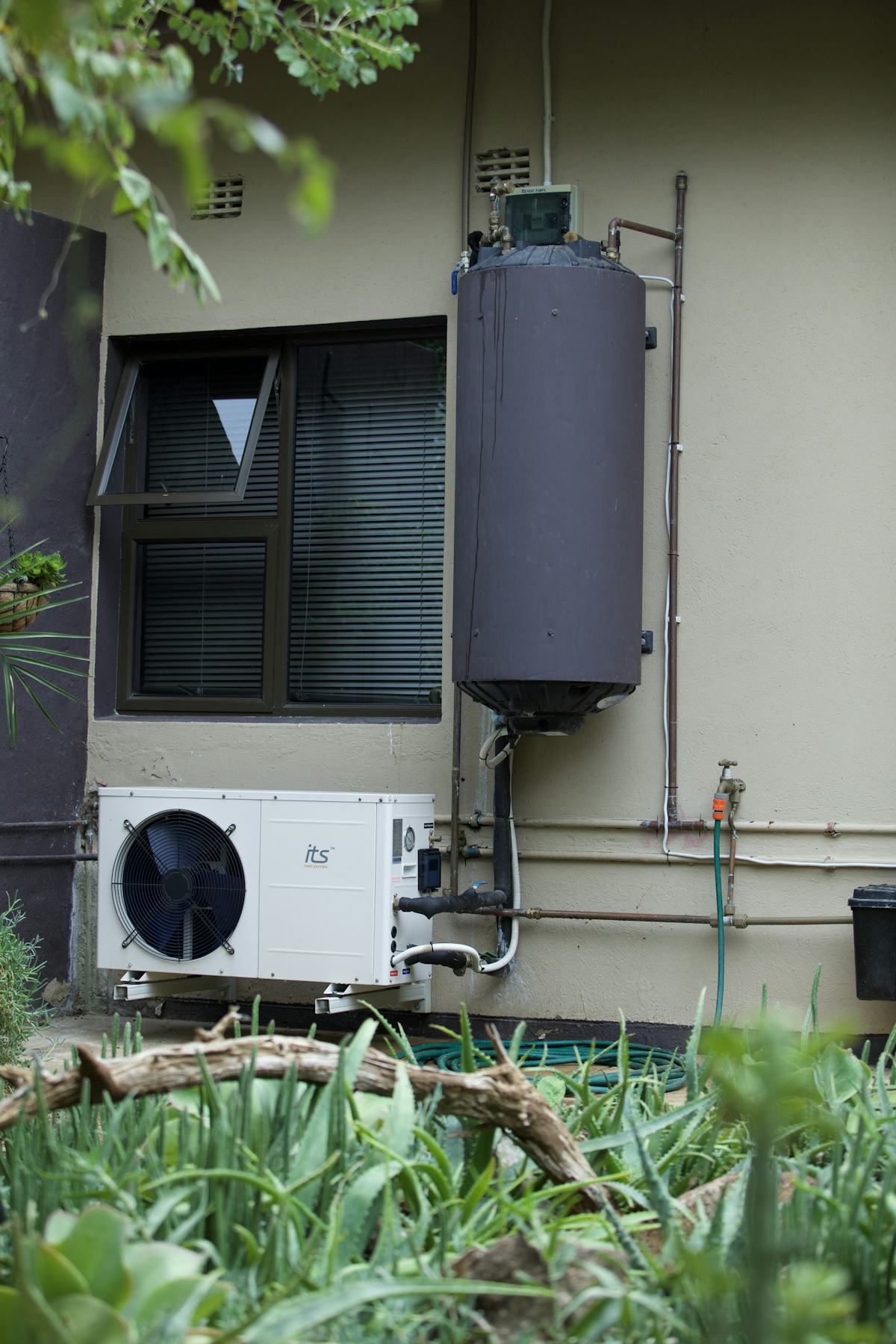
Water heaters fail in two ways. A tank rusts through and drips for weeks, or a fitting, valve or the tank itself lets go and dumps 40 or 50 gallons at once, followed by whatever the supply line keeps feeding in. A water heater leak insurance claim is treated differently depending on which one you had, and on where the heater sits in the house.
What is covered and what is not
The standard homeowners form (ISO HO-3) covers accidental discharge or overflow of water from a household appliance, and a water heater is one. The water damage to floors, walls, cabinets and belongings is covered. The form also pays the cost to tear out and replace parts of the building needed to repair the appliance the water escaped from.
What it does not cover is the water heater. The policy says it does not cover the system or appliance the water escaped from, and it separately excludes wear and tear, rust and corrosion, and mechanical breakdown. A 14-year-old tank that rusted out is all three. You buy the new heater; the insurer pays for what the water ruined.
Sudden failure vs slow drip
This is where most denials come from. The ISO form has no "repeated seepage" exclusion, but many insurers add their own wording excluding damage from leaks that continued over a period of time, sometimes defined as 14 or more days. A tank that has been sweating onto a plywood platform for months, rotting the subfloor underneath, gives the adjuster an argument. A tank that burst overnight does not.
If your heater had a slow leak you did not know about, the damage may still be covered in part. Hidden damage from a plumbing or appliance discharge is treated as covered in the 2011 ISO form even when mold or rot resulted, and courts have read some time-based exclusions to cover the early part of the leak. See slow leak claims denied for repeated seepage.
Where the heater is matters
- Basement: water spreads across the slab, into finished rooms and stored belongings. Check whether any of the water came up through a floor drain, because that part falls under the sewer and drain back-up exclusion. See sewer backup coverage.
- Garage or utility room on a slab: often the least damage, but water runs under walls into adjacent rooms.
- Attic or upper floor closet: the worst case. Water comes through ceilings, insulation, light fixtures and walls on every floor below. Document each room.
- Condo or apartment: your heater may have damaged the unit below. See water damage from an upstairs unit.
Steps that protect the claim
- Shut off the cold water supply valve on top of the heater and the gas or breaker. Then the main if the valve will not close.
- Photograph the heater, the drain pan if there is one, the label with the manufacture date and model, the surrounding floor and every wet room before cleanup.
- Keep the old heater until the adjuster has seen it or said in writing that they do not need to. If a valve or fitting failed, keep that part.
- Call a water mitigation company. Drying within the first day or two prevents mold, and the policy expects you to protect the property from further damage.
- Report the claim and ask for the adjuster's inspection date. In Pennsylvania and Washington the insurer has to acknowledge a claim within 10 working days; New Jersey is similar.
- Make a room-by-room list of damaged belongings with photos.
Who else might pay
A heater that failed well within its expected life, or a new heater installed badly, may give you a claim against the manufacturer or the installer. Your insurer can pursue them after paying you, and recover your deductible in the process. For this to work, the heater and the failed part have to still exist. Do not let the plumber haul it away on the same visit.
The hot water line and the slab
Hot water lines corrode faster than cold ones. If the leak is in the line leaving the heater rather than the tank, and it runs under the slab, see slab leak insurance claims.
Example: a tank splits overnight
Illustrative numbers: a 12-year-old tank in a second-floor closet splits on a Saturday night. By morning the hall ceiling has collapsed, the living room carpet is soaked and the kitchen cabinets below are swollen. A mitigation company charges $3,800 for drying. Repairs to ceilings, drywall, flooring and cabinets are estimated at $21,000, and ruined furniture at $4,200. A new heater installed costs $2,300. With a $1,000 deductible, the insurer would owe about $28,000 for mitigation, repairs and contents, and you would pay for the heater. If the insurer argues the tank had been dripping for months, ask for its evidence and compare it with the plumber's findings and your photos of the closet floor.
If the insurer's number is low
Water heater floods affect several trades: flooring, drywall, paint, cabinets, electrical. An estimate that lists only "dry and paint" misses the rest. Get your own contractor's estimate, compare line by line, and submit a supplement. See how a claim supplement works and answering a low offer.
Preventing the next one
Tanks commonly fail between 8 and 15 years. A drain pan with a line to a drain, a leak sensor with an automatic shutoff valve, and replacing a tank before it rusts through all cost less than a deductible. Some insurers give a discount for leak detection devices.
Common questions
Does homeowners insurance cover a water heater leak?
It covers the resulting water damage under the standard form. It does not pay to replace the heater, because wear, corrosion and breakdown of the appliance itself are excluded.
What if the heater had been leaking for a while?
Some insurers' policies exclude damage from leaks over a period of time, often 14 days or more. Hidden damage and the early part of the leak may still be covered. Read the exact wording in the denial.
Will insurance pay for a new water heater?
Usually not, unless you have an equipment breakdown endorsement or the heater was destroyed by a covered event such as a fire or a falling tree.
Does a washing machine hose leak work the same way?
Yes. The appliance is excluded, the water damage is covered. See washing machine and dishwasher leak claims.
Is mold from a water heater leak covered?
Under the standard form, mold hidden in walls or floors from an appliance leak is covered, and visible mold often is not unless you have a fungi endorsement. See mold insurance claims.
Help with a water heater claim
ClaimWarriors documents water losses and separates excluded appliance repairs from the covered damage. The fee is free unless we win. Learn how we handle water damage claims. Contact us for a claim review.
Examples are illustrative. This article is general information, not legal advice. Policy wording varies; your policy controls. Last reviewed November 2026.