Ice Dam Insurance Claim: What Is Covered, What Is Not and How to File

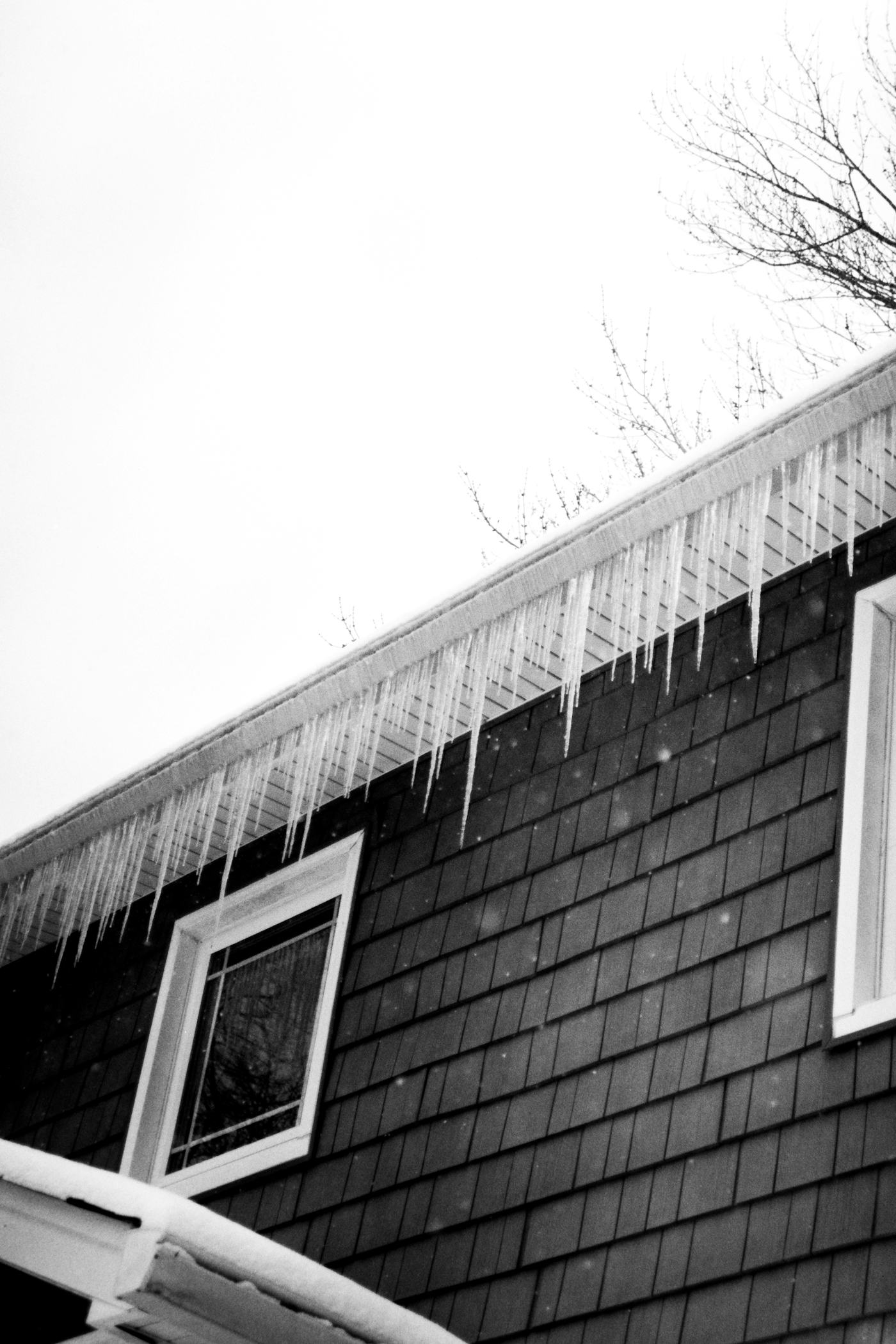
An ice dam is a ridge of ice along the edge of a roof. Snow melts higher up where the roof is warm, runs down, and refreezes at the cold eave. Water pools behind the ridge, works under the shingles and comes into the attic, the walls and the ceilings below. An ice dam insurance claim usually pays for that interior damage, with a few conditions worth knowing before you call.
What the standard policy covers
The standard homeowners form (ISO HO-3) covers the house on an open perils basis, so water intrusion from an ice dam is covered unless an exclusion removes it. For belongings, weight of ice, snow or sleet is a named peril, so a sagging ceiling that lets go onto furniture is covered too. Nothing in the form says "ice dam" by name. Insurers generally treat the sudden interior water damage as covered.
The freezing and thawing exclusion in the form applies to fences, pavement, patios, footings, foundations, retaining walls, piers and docks, not to the dwelling itself. If an adjuster cites it for ceiling damage, ask them to point to the wording.
What is usually not covered
- Removing the ice dam before it causes damage. Policies pay for damage, not prevention. Once water is coming in, reasonable costs to stop further damage, including steaming off the ice, are usually covered as protection of the property. Keep the invoice.
- A roof that was already failing. Wear and tear and deterioration are excluded. If shingles were curled and the underlayment was gone, the insurer may argue the water came in because of the roof's condition.
- Gutters and roof damage caused only by the weight of ice are often argued. The dwelling is open perils, so ice that tore off gutters or fascia is generally covered unless an exclusion applies; cosmetic marks may be another matter.
- Long-term leaks. If the staining has been coming back every winter, some insurers' forms exclude repeated seepage. See slow leak claims denied for repeated seepage.
The roof itself
Ice dams lift shingles and tear underlayment. Whether the insurer pays for roof repair depends on whether the ice caused the damage or simply found an existing weakness. A roofer's written inspection with photos of lifted shingles, cracked flashing and torn underlayment at the eave makes the case. If the roof needs partial replacement and new shingles do not match, your state may have matching rules; see insurance matching laws.
Steps while water is coming in
- Move belongings and put down buckets and tarps. Poke a small hole in a bulging ceiling to let water drain into a bucket rather than collapse the drywall.
- Photograph the icicles and the ice ridge from outside, and every stain, drip and wet spot inside, with dates.
- Have a roofer or ice dam company steam the ice off. Do not let anyone chip it with hammers, which damages shingles and gives the insurer a reason to deny roof damage.
- Report the claim within a day or two. Tell the insurer the date of the storm.
- Get drying started in the attic and walls. Wet insulation does not dry on its own and leads to mold. See mold insurance claims.
- Keep a log of every cost, including your own time removing snow from the roof edge.
Insulation and attic damage
Soaked insulation loses its value and has to be replaced. Insurers sometimes pay only to dry it. Ask the mitigation company to measure moisture in the insulation and document compression and staining. Wet insulation that stays in place is next winter's mold claim.
Example: an ice dam leak into a bedroom
Illustrative numbers: after a heavy snow and a week of freeze-thaw, water comes through a bedroom ceiling and down an exterior wall. Steaming the ice off costs $900. Drying and removal of wet drywall and insulation is $2,600. Repairs to the ceiling, wall, insulation, paint, trim and a section of hardwood floor are $9,400. Lifted shingles and torn underlayment along 20 feet of eave cost $2,200 to repair. The insurer owes about $15,100 less the deductible if it accepts the roof damage, or about $12,900 if it treats the roof as pre-existing. The roofer's photos decide the difference.
Repeated ice dams and the next policy
Insurers see repeat ice dam claims as a sign of an attic that is losing heat. After a claim, improving attic insulation and air sealing, adding ventilation, and installing heat cable at problem eaves reduce the chance of a second claim and a non-renewal. Some insurers ask about these steps at renewal.
Related winter claims
Burst pipes often happen in the same cold snap and are handled under different wording, including a condition about keeping heat on. See frozen pipe claims. Melt water that overwhelms a sump pump is a sump overflow, excluded unless you have the endorsement; see sump pump failure coverage.
If the claim is underpaid
Ice dam estimates often stop at "paint the stain." Water that ran down inside a wall wets insulation, the back of drywall, baseboards and the subfloor. Ask for moisture readings behind the wall and in the floor before accepting a cosmetic repair. See how to submit a claim supplement.
Common questions
Does homeowners insurance cover ice dam damage?
Interior water damage from an ice dam is generally covered under the standard form. Roof damage is covered when the ice caused it rather than exposing wear.
Will insurance pay to remove the ice dam?
Not as prevention. Once damage has started, reasonable costs to stop it, such as steaming off the ice, are usually covered. Keep the receipt.
Is wet attic insulation replaced or just dried?
Soaked fiberglass or cellulose generally needs replacement. Ask for moisture readings and push back on drying alone.
What if this happens every winter?
Repeat claims invite a repeated seepage argument and renewal problems. Fix the attic insulation and ventilation after the first one.
Does the weight of ice on the roof count?
Weight of ice, snow or sleet is a covered peril for contents and generally covered for the dwelling, so damage from a roof sagging under ice is covered.
Help with an ice dam claim
ClaimWarriors documents winter water damage, including hidden wall and attic damage. The fee is free unless we win. Learn how we handle water damage claims. Contact us for a claim review.
Examples are illustrative. This article is general information, not legal advice. Policy wording varies; your policy controls. Last reviewed November 2026.