Water Mitigation Costs in an Insurance Claim: Who Pays for the Dry-Out

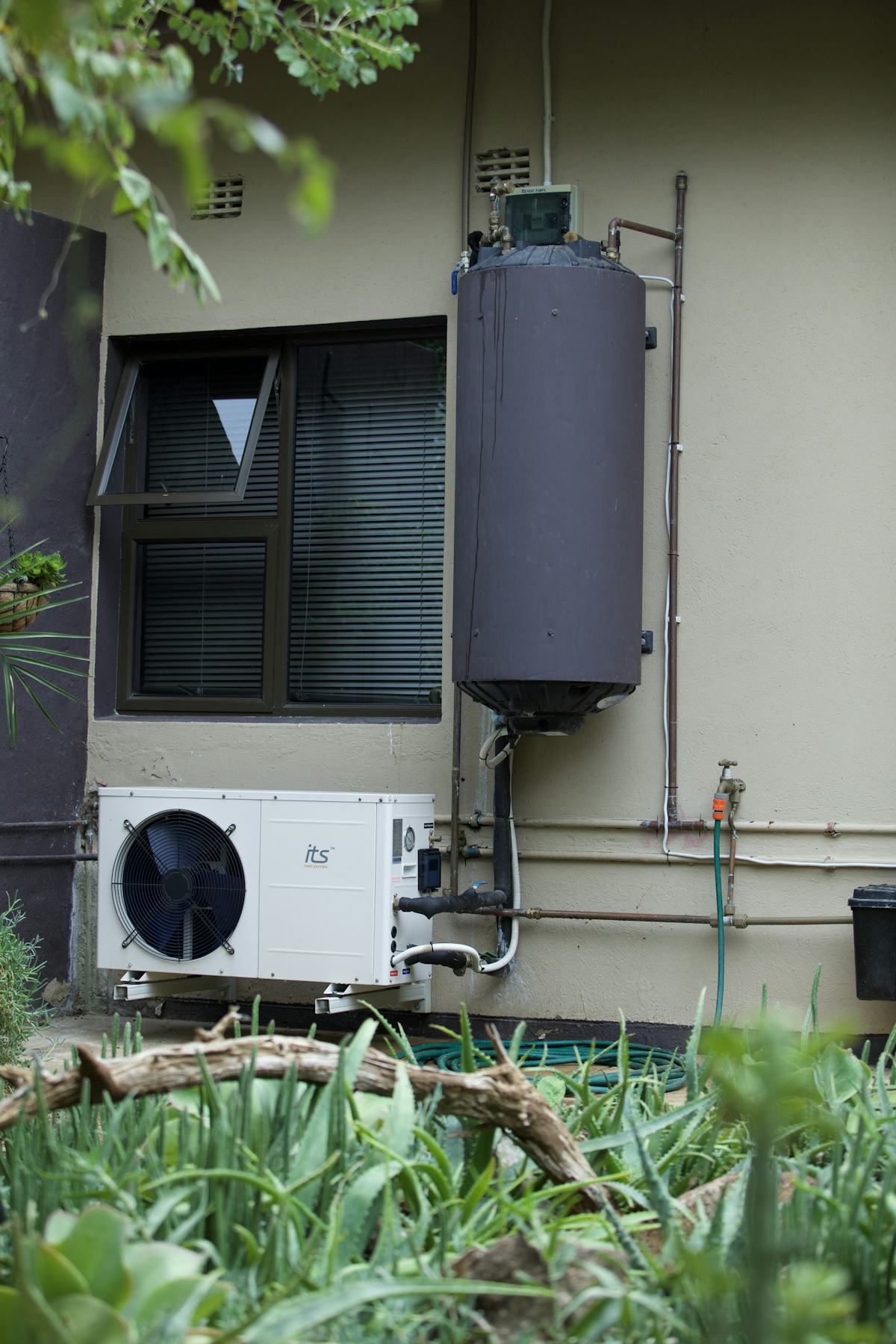
A water heater gives out overnight and the finished basement has an inch of water across it. By noon a restoration crew has pulled the carpet pad, cut the drywall two feet up and set fans and dehumidifiers running. Five days later an invoice arrives for $6,800. The repairs have not started yet. Mitigation is the first bill in most water claims, and it is also one of the most disputed.
What water mitigation is
Mitigation is the work done to stop water damage from getting worse: extracting standing water, removing wet materials that cannot be dried, setting drying equipment and monitoring moisture until the structure is dry. It comes before the repair work, which puts back the drywall, flooring and cabinets.
Why the policy pays for it
The standard homeowners form (ISO HO-3) makes mitigation your duty. After a loss you must protect the property from further damage, make reasonable and necessary repairs to protect it, and keep an accurate record of repair expenses. The form then pays for that work under an additional coverage called Reasonable Repairs. It covers the reasonable cost of necessary measures taken solely to protect covered property damaged by a covered peril. The cost comes out of your normal limits. It does not add to them.
Skipping mitigation is risky. The form excludes loss caused by an insured's neglect to use all reasonable means to save and preserve property after a loss. Water left sitting also leads to mold, which many policies limit. See mold insurance claims.
Mitigation follows the cause of the water
The insurer pays for drying when it covers the water loss. A sudden discharge from plumbing or an appliance is covered in the standard form, so the mitigation is too. See water heater leak claims. When the water itself is excluded, the drying bill usually is as well. That includes flood and surface water, groundwater seeping through a foundation and back-up through a drain without water back-up coverage. See foundation cracks and groundwater. If you have a back-up endorsement, ask whether the insurer counts the dry-out against that endorsement's limit.
Rain coming in during a storm depends on whether wind first opened the roof or a wall. See wind-driven rain damage.
The industry standard behind the bill
Restoration companies work from the ANSI/IICRC S500 Standard for Professional Water Damage Restoration, now in its fifth edition (2021). The S500 sorts water by how contaminated it is, from clean water to grossly contaminated water, and sorts losses by how much water was absorbed. Those two judgments drive the bill. Contaminated water means more material is removed and more cleaning is done. A wetter structure means more equipment and more days. The S500 also says finding and fixing the source of the water is the property owner's responsibility. The restorer's job is the drying.
Where disputes start
- Restorers and insurers often disagree about the category of the water, and the category decides whether carpet and pad are saved or thrown out.
- Insurers compare the number of fans and dehumidifiers and the days they ran with the moisture readings.
- Cutting more drywall than needed, or less than needed to dry the cavity, both lead to arguments.
- Many insurers price mitigation with estimating software and question line items outside it.
Documentation that holds up
Ask the restoration company for photos before and after demolition, a moisture map, daily moisture and humidity readings, and an equipment log showing what was placed and removed each day. Keep the invoice and the work authorization. Without daily readings, an insurer can argue the drying ran longer than it had to.
Read the work authorization
Restoration companies ask you to sign before they start. Read it. Some forms include a direction to pay the company directly. Some go further and assign your policy benefits to the company or make you responsible for anything the insurer does not pay. Florida banned post-loss assignment of benefits for policies issued from January 1, 2023, but rules differ by state. You can ask to strike terms you do not accept before you sign.
Contents during mitigation
Crews often move furniture, lift rugs and pack out boxes so the floor and walls can dry. Moving and cleaning contents is part of the personal property claim, along with items too wet or contaminated to save. Before anything goes in a dumpster, photograph it, list it with a brand and age, and keep a sample of carpet and pad if the category is disputed. The insurer can ask to see damaged property, and once it is gone, you are left with your photos and your list.
When a ceiling comes down
Water trapped above a ceiling can bring it down. A collapse adds a second layer of policy rules. See collapse coverage.
Example: four days of mitigation
Illustrative numbers: a burst supply line floods a kitchen and the room below. Mitigation runs four days and costs $7,400: extraction, removal of the lower drywall and baseboards, ten air movers and two dehumidifiers. The insurer's estimate allows three days and six air movers and comes to $5,100. The company's daily readings show two wall cavities still wet on day three. With those logs, the owner asks the insurer to pay the fourth day. Repairs are a separate estimate of $18,000. The deductible applies once to the whole claim.
Common questions
Does homeowners insurance pay for water mitigation?
Yes, when the water loss itself is covered. The standard form pays reasonable costs to protect covered property from further damage.
Do I have to use the insurer's restoration company?
Check your policy and state rules. Many homeowners pick their own company. Either way, the pricing will be compared with the insurer's estimate.
Is mitigation paid if the claim is denied?
Usually not by the insurer. You owe the restoration company under the contract you signed.
Does mitigation come out of my deductible?
The deductible applies to the whole claim, including mitigation, once per loss.
How fast should drying start?
As soon as possible. Delay increases damage and can raise questions under the neglect exclusion.
Help with a water claim
ClaimWarriors reviews mitigation bills, moisture logs and the insurer's estimate, and pushes for the full cost of drying and repair. The fee is free unless we win. Learn how we handle water damage claims. Contact us for a claim review.
Examples are illustrative. This article is general information, not legal advice. Policy wording and state rules vary; your policy controls. Last reviewed November 2026.