

Wildfire Subrogation Claims: Your Insurance, the Utility and Settlements

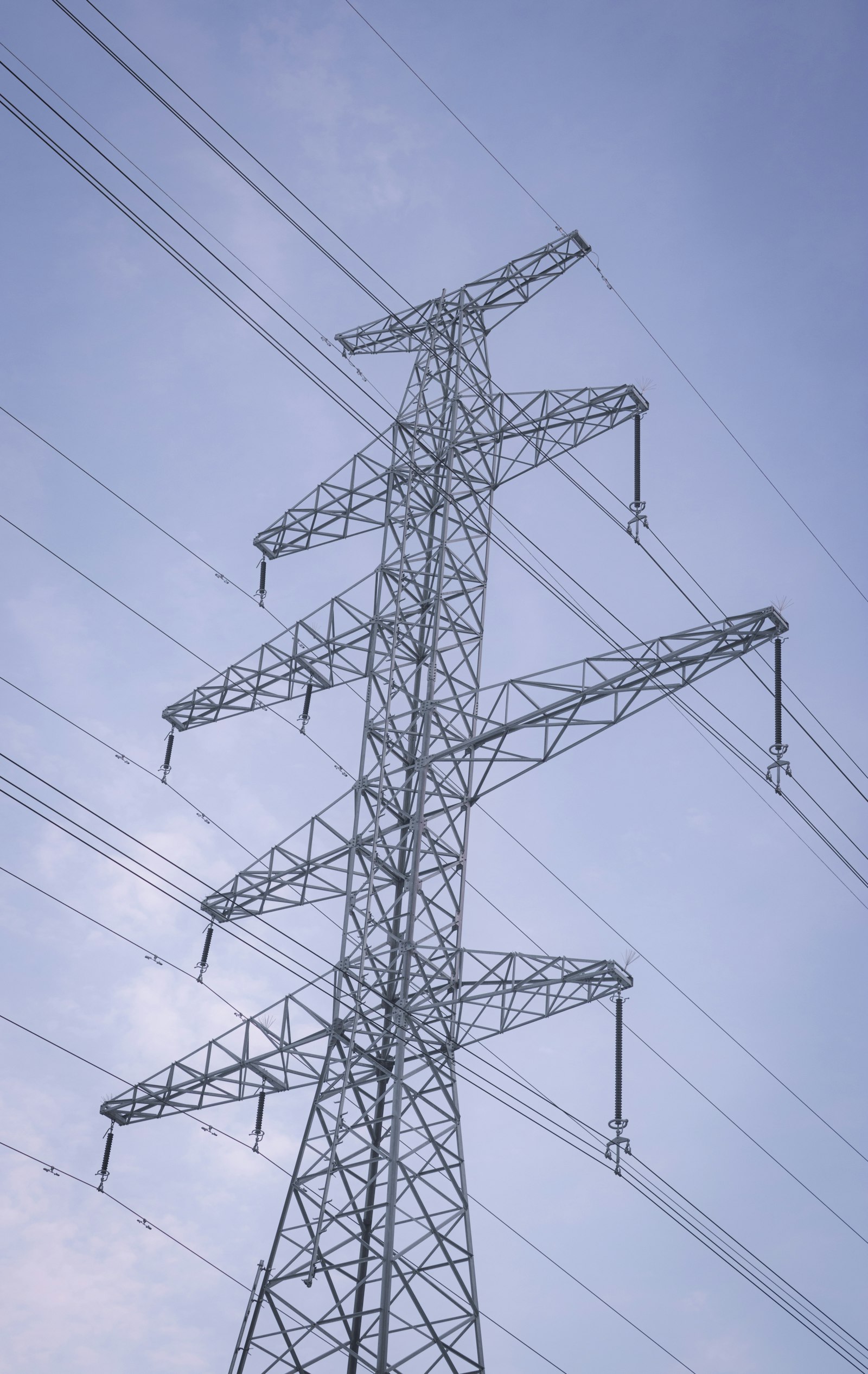
Many of the most destructive wildfires in the West have been linked to utility equipment. When that happens, two kinds of claims run side by side: your insurance company's claim against the utility to recover what it paid you, called subrogation, and your own claim for losses insurance did not cover. Understanding how wildfire subrogation claims work helps you protect your recovery and avoid signing away rights by mistake.
Step one is still your own insurance
Do not wait for a utility to accept responsibility. File your homeowners claim right away and pursue it fully. Your insurer owes you under the policy regardless of who caused the fire. See the wildfire claim guide.
What subrogation is
After your insurer pays your claim, it steps into your shoes for the amount it paid and can sue the party that caused the loss. In utility wildfire cases, insurers often join large lawsuits or reach settlements with the utility. Subrogation recoveries go to the insurer, not to you, except that some insurers reimburse your deductible from what they recover.
Insurers often settle for less than they paid. For example, Southern California Edison has reported agreeing to pay one insurer 52 cents on the dollar for Eaton Fire subrogation claims. That does not reduce what your insurer owed you.
Your own claim against the utility
You may have a claim against the utility for losses insurance did not cover, such as:
- Your deductible.
- Losses above your policy limits, which are common after total losses.
- Uninsured items and categories, like landscaping above policy limits or items excluded by the policy.
- Living expenses beyond what insurance paid.
- Lost income, personal injury and, in some cases, emotional distress damages.
California homeowners should also review their state-specific protections. Deadlines to file these claims vary by state and by whether the utility is public or private. Talk to an attorney promptly.
An illustrative example of the uninsured gap
The numbers here are illustrative only. Say a utility-caused wildfire destroys a home with a $500,000 dwelling limit, and a realistic rebuild costs $650,000. The deductible is $2,500. Living expenses run $18,000 past the policy's living expense limit. Insurance pays its limits. The family still carries $150,000 of rebuild cost, the $2,500 deductible and $18,000 of living costs: $170,500 that insurance did not cover.
The insurer's subrogation claim against the utility is about what the insurer paid. The $170,500 belongs to the family's own claim. If nobody documents it, nobody recovers it. See additional living expenses after a house fire.
Utility compensation programs
Some utilities have set up voluntary compensation programs instead of, or alongside, litigation. Southern California Edison's Wildfire Recovery Compensation Program for the January 2025 Eaton Fire had offered more than $1 billion by fall 2026, with a claim deadline of November 30, 2026. Things to understand before accepting any program offer:
- Insurance offsets. Programs typically subtract your insurance coverage from the economic loss portion of the offer. In SCE's program, your full policy coverage is subtracted from economic damages, whether or not you have received it.
- Releases. Accepting usually means signing a release of all claims against the utility.
- Comparison with litigation. Program offers may be faster but lower than what litigation could produce. Get independent advice.
How offsets and payment order work
Compensation programs usually account for insurance in some way. In New Mexico's Hermit's Peak/Calf Canyon program, insurance proceeds were offset, and individual claims were paid before insurers' subrogation claims. That program started with $3.95 billion and had a claim deadline of November 14, 2024.
Before you compare any offer with your losses, ask the program how it calculates the offset and which insurance figures it uses.
Do not let subrogation hurt your insurance claim
- Do not sign releases with the utility that could affect your insurer's subrogation rights without telling your insurer. Many policies require you to protect the insurer's recovery rights.
- Do not accept an insurance settlement that is low because you expect the utility to make up the difference. Your policy benefits are owed regardless.
- Keep full documentation of every loss, insured and uninsured. The same evidence supports both claims.
Double recovery and why your records matter
You generally cannot be paid twice for the same loss. Rules on offsets and collateral sources vary by state and by program. Clean records protect you here. Keep a running list that shows, for each category, what the loss was, what insurance paid and what is left. That list answers the offset question before anyone asks it, and it shows which losses only a claim against the utility can cover.
Settlements in other states
Utility wildfire claims have been resolved in many states. In Colorado, as covered in our Colorado wildfire guide, Xcel Energy agreed in September 2025 to pay about $640 million to resolve Marshall Fire claims by homeowners, insurers and public entities, without admitting fault. In New Mexico, the federal government set up a special claims office for the Hermit's Peak/Calf Canyon Fire, which was caused by federal prescribed burns.
Underinsured? Document the gap
If your home was a total loss and insurance will not cover the full cost to rebuild, a careful rebuild estimate and full contents inventory are the foundation of any claim against a utility. See underinsured after a fire.
Common questions
Will my insurer reimburse my deductible if it recovers from the utility?
Many insurers share subrogation recoveries to reimburse the policyholder's deductible. Ask your insurer how it handles this.
Do I have to join my insurer's lawsuit against the utility?
No. Your insurer's subrogation case is separate from your own claim for uninsured losses. You may need your own attorney.
Can a utility settlement reduce my insurance payout?
No. Your insurer owes you under the policy regardless of any utility settlement. But utility programs often subtract your insurance from their offers. See underinsured after a fire.
Who gets paid first in a utility fire program, homeowners or insurers?
It depends on the program. In New Mexico's Hermit's Peak/Calf Canyon program, individual claims were paid before insurers' subrogation claims.
Does my insurer's subrogation settlement cover my uninsured losses?
No. It covers what the insurer paid you. Your deductible, losses over your limits and other uninsured losses need your own claim.
Help with the insurance side
ClaimWarriors maximizes your insurance recovery and documents losses in a way that supports claims against responsible parties. Contact us for a claim review.
This article is general information, not legal advice. Deadlines for claims against utilities can be short; consult an attorney. Last reviewed November 2026.




