

Colorado Wildfire Insurance Law: Your Claim Rights Under HB22-1111

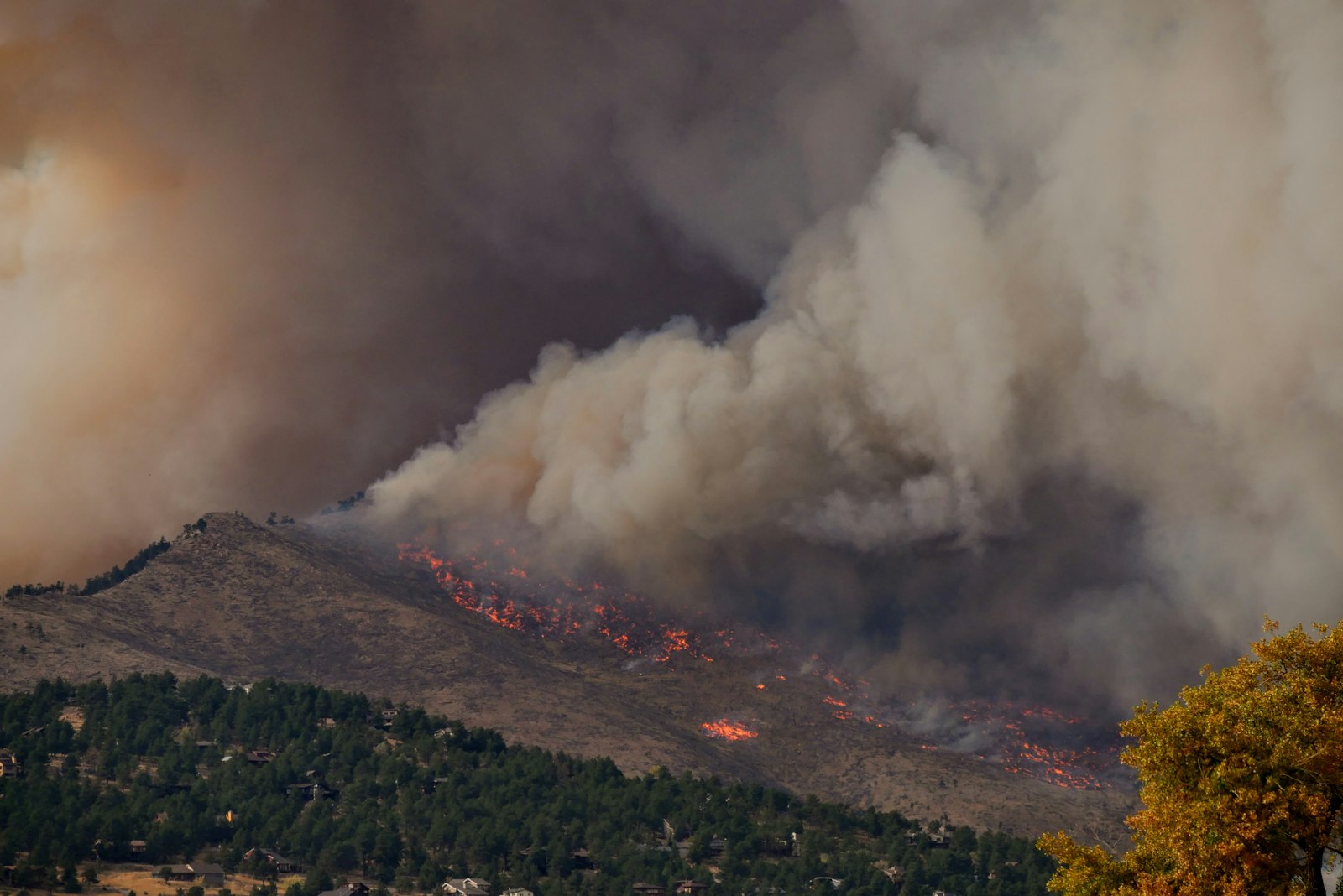
After the 2021 Marshall Fire destroyed about 1,000 homes in Boulder County, Colorado passed one of the stronger wildfire insurance laws in the country. Colorado wildfire insurance law now gives homeowners more time, more flexibility and faster access to contents money after a declared wildfire. Here is what the law provides and how to use it.
Who the protections apply to
The main provisions of HB22-1111 apply when a homeowner suffers a loss from a wildfire that is the subject of a declared disaster or emergency. Many provisions apply to total losses. Read the details for your situation or ask the Colorado Division of Insurance.
Contents without a full inventory
After a total loss of a primary residence in a declared wildfire, the insurer must offer to pay at least 65% of your personal property limit without requiring an itemized inventory. You can still submit a full inventory to recover more, up to your limit. See the house fire inventory guide.
Additional living expenses
Colorado law requires at least 24 months of additional living expenses after a covered wildfire loss in a declared disaster, with up to two six-month extensions if you are acting in good faith and delays are beyond your control, subject to your policy limit. Keep records of rebuilding delays to support extensions. See additional living expenses.
Time to collect replacement cost
You have at least 36 months to collect the full replacement cost benefits, which is often the difference between the actual cash value payment and the full rebuild cost. Request extensions in writing if needed. See recoverable depreciation.
Rebuild elsewhere or buy a replacement home
After a total loss, you can rebuild at a different location or buy an already-built home and still recover replacement cost, up to what it would have cost to rebuild at the original site. This matters for families who cannot or do not want to rebuild on the same lot.
Code upgrades and underinsurance
The Marshall Fire showed how many homes were underinsured, partly because rebuilding to current energy and building codes is expensive. Check your ordinance or law coverage and extended replacement cost. See ordinance or law coverage and underinsured after a fire.
Wildfire deductibles and scores
Many Colorado policies in higher-risk areas use percentage deductibles. Colorado's HB25-1182, effective July 1, 2026, requires insurers to disclose wildfire scores and offer discounts for mitigation work. See wildfire and percentage deductibles.
Colorado's bad faith statute
Colorado gives policyholders strong remedies when an insurer unreasonably delays or denies payment of a covered benefit. Under C.R.S. 10-3-1115 and 10-3-1116, a policyholder can recover two times the covered benefit plus attorney fees and court costs. That law gives Colorado policyholders a real advantage in disputes. See insurance bad faith.
Claims against utilities
When a wildfire may have been caused by utility equipment, lawsuits often follow. In September 2025, Xcel Energy agreed to pay about $640 million to resolve Marshall Fire claims by homeowners, insurers and public entities, without admitting fault. If you have uninsured losses, talk to an attorney about deadlines. See utility-caused wildfires and your insurance claim.
Smoke damage
Homes that did not burn often have smoke, ash and soot contamination. See wildfire smoke damage when the house didn't burn.
Other western states set their own wildfire rules. See California fire insurance laws, Oregon wildfire claims, Washington wildfire claims and Nevada, Utah, Idaho and New Mexico.
Nonrenewal after a Colorado fire
Colorado requires insurers to give at least 60 days' written notice before nonrenewing a homeowners policy, according to United Policyholders. A nonrenewal does not end your current claim. Benefits for the fire are paid under the policy that was in force on the date of loss. See can homeowners insurance drop you after a claim.
Public adjusters in Colorado
Colorado has no fixed percentage cap on public adjuster fees. Fees must be reasonable. Check that any adjuster you hire is licensed with the Colorado Division of Insurance, and read the contract before you sign. See public adjuster fees.
How to ask for your HB22-1111 benefits
Put requests in writing so there is a clear record:
- Ask the insurer to confirm that your loss is from a declared wildfire and is a total loss of your primary residence.
- Request the 65% contents payment without an inventory.
- Ask for written confirmation of the 24-month living expense period and how to request extensions.
- Confirm the 36-month deadline for collecting replacement cost.
- If you plan to rebuild elsewhere or buy another home, tell the insurer early and ask how it will calculate the payment.
Keep a dated log of every call and letter. If a benefit is delayed without a reason, that record supports a complaint to the Division of Insurance or a bad faith claim.
Common questions
Do Colorado's wildfire rules apply to every fire?
The main HB22-1111 protections apply to losses from a wildfire that is the subject of a declared disaster or emergency. Ask your insurer in writing whether they apply to your claim.
How much contents money can I get without an inventory in Colorado?
After a total loss of a primary residence in a declared wildfire, the insurer must offer at least 65% of the contents limit without an itemized inventory.
Can I sue a utility after a Colorado wildfire?
Possibly, for losses insurance did not cover. See utility-caused wildfires and subrogation and talk to an attorney about deadlines.
How much notice must a Colorado insurer give before nonrenewing?
At least 60 days in writing, according to United Policyholders. Check the notice for the reason and the date.
Are public adjuster fees capped in Colorado?
There is no fixed percentage cap. Fees must be reasonable. Read the contract carefully before you sign.
Help with a Colorado wildfire claim
ClaimWarriors handles fire and wildfire claims in Colorado. See our Colorado fire claim services and the wildfire claim guide, or contact us for a claim review.
This article summarizes Colorado law as of November 2026 and is not legal advice. Check with the Colorado Division of Insurance for current rules. Last reviewed November 2026.




