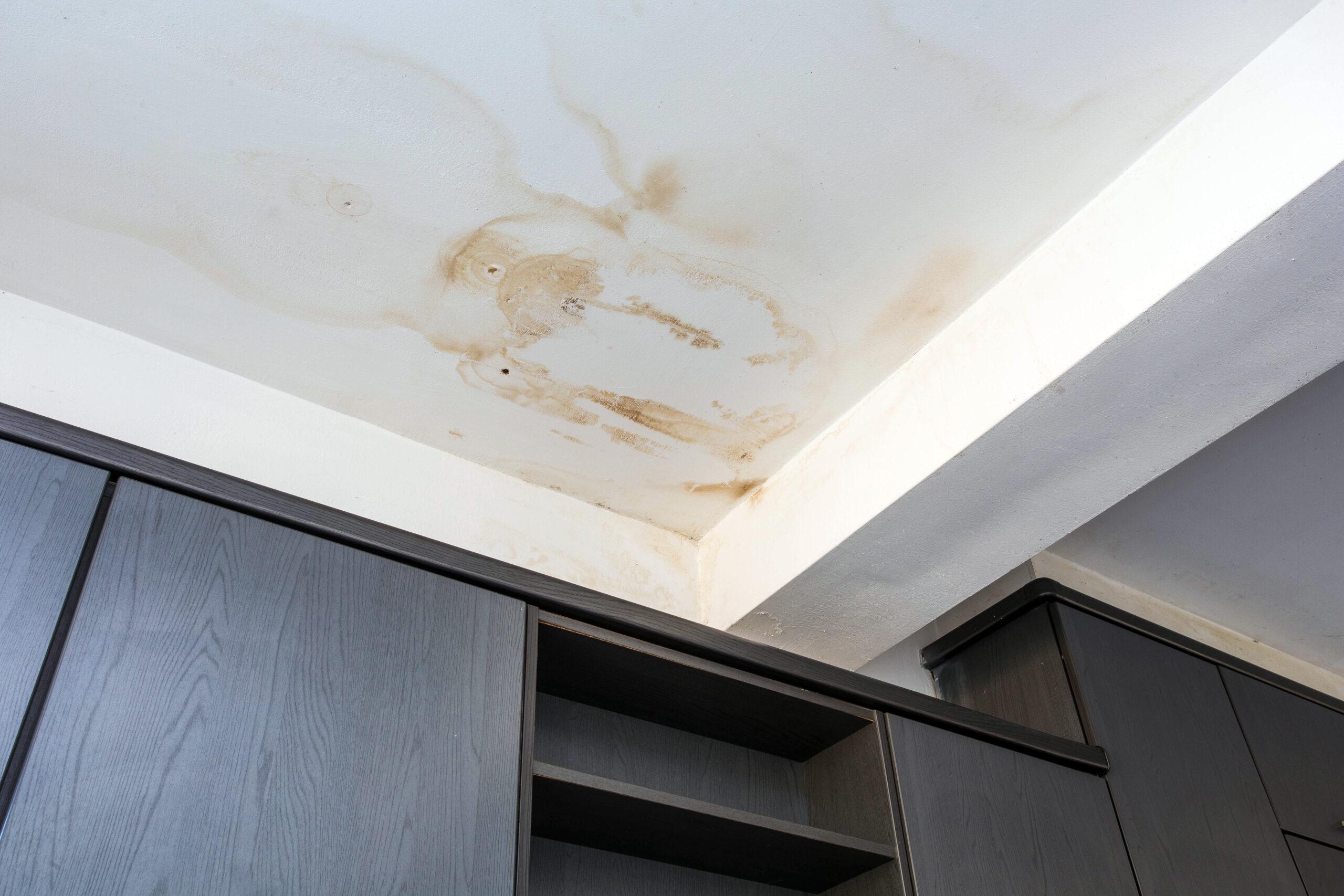
Is AC Leak Water Damage Covered by Insurance?


Is AC leak water damage covered by insurance? Yes, when water suddenly leaks from the air conditioning system and damages ceilings, walls, floors or belongings. The standard homeowners policy covers accidental discharge of water from an air conditioning system. What it doesn't cover is the AC unit itself, the clogged condensate line or failed drain pan that caused the leak, or damage that built up slowly over weeks or months where your policy excludes repeated leakage.
This guide explains how AC leaks are treated, what insurers look for, and how to file a claim that covers the full damage.
Where AC leaks come from
A central air conditioner pulls moisture out of the air as it cools. That water collects in a drain pan under the indoor coil and leaves through a condensate line, sometimes with a small pump. Leaks can start when:
- The condensate line clogs with algae or debris and the pan overflows.
- The drain pan cracks or rusts through.
- A condensate pump fails.
- A frozen coil thaws all at once.
- A refrigerant line or fitting fails, which leaks refrigerant, not water.
When the air handler sits in an attic or a closet above a finished room, an overflowing pan can soak insulation and drywall and bring down part of a ceiling.
What the standard policy says
The ISO HO 3 form, a standard form insurers use as a model, covers the house against direct physical loss unless excluded. Its 2011 edition excludes wear and tear, mechanical breakdown, rust and corrosion, but gives back accidental discharge or overflow of water from within a plumbing, heating, air conditioning or automatic fire sprinkler system. That coverage includes the cost to tear out and replace part of the building when needed to repair the system. It doesn't pay to repair the system itself.
For belongings, the personal property section lists accidental discharge from an air conditioning system as a named peril.
In practice, that means:
- The stained or collapsed ceiling, wet insulation, damaged walls and floors are covered.
- Furniture, rugs and electronics soaked by the leak are covered.
- Opening the ceiling or wall to reach the line can be covered.
- Clearing the condensate line, replacing the pan or pump, or fixing the AC isn't covered.
When insurers deny AC leak claims
Slow leaks
The base ISO form doesn't contain an exclusion for repeated seepage, but some insurers' own forms do. Those clauses exclude water damage from leaks that continued over weeks or months. If a ceiling shows rings of old stains or rot, the insurer may say the leak was long-term. See slow leak claims denied for repeated seepage.
Maintenance
Insurers sometimes argue that a clogged condensate line is a maintenance failure. The standard form's maintenance exclusion has an ensuing loss clause, so the resulting water damage can still be covered. Ask the insurer what exclusion it relies on.
Mold
Mold that grows after an AC leak can be limited or excluded. Standard forms exclude mold except where it's hidden and results from a covered accidental discharge, and some policies cap mold coverage. Dry the area fast. See mold insurance claims.
The AC system itself
If the leak came from a cracked pan or failed pump, replacing those parts is on you. If a covered event, such as a fire, lightning or a falling tree, damaged the system, the system is covered too. An equipment breakdown endorsement may pay for sudden mechanical failure of the AC. See does homeowners insurance cover HVAC replacement.
Condos and rentals
In a condo, the AC unit and its drain may belong to the owner or the association, depending on your declarations. A leak from your unit into a neighbor's ceiling may raise a liability question if you neglected maintenance. Renters are covered for their belongings under the same named peril, as explained in water damage in a rental. Sprinkler leaks in condos raise the same questions. See fire sprinkler water damage insurance.
Example: an attic air handler overflows
On a hot weekend, the condensate line from an attic air handler clogs and the secondary pan overflows. By Monday, water has soaked the insulation, stained the bedroom ceiling and dripped onto the carpet and a dresser. Part of the ceiling sags.
The insurer pays for the water mitigation, new insulation and drywall, painting, carpet and pad cleaning or replacement, and the damaged dresser, minus the deductible. It doesn't pay the HVAC technician to clear the clogged line, since that's the repair of the system itself. These facts are illustrative. See ceiling water damage claims and does homeowners insurance cover carpet damage.
How to file an AC leak claim
- Turn off the AC at the thermostat and the breaker to stop more water.
- Move belongings, put down towels or buckets, and don't stand under a sagging ceiling.
- Photograph the ceiling, walls, floor, the air handler, the drain pan and the condensate line.
- Have an HVAC technician write down the cause, such as a clogged line or failed pump, and when it likely started.
- Call a water mitigation company to dry the area and record moisture readings.
- Report the claim promptly and keep receipts for drying and temporary repairs.
A technician's note that the failure was recent helps answer a "long-term leak" argument.
What the adjuster looks at
The adjuster will try to decide when the leak started and whether it was sudden. Expect questions about when you first saw the stain, when the AC was last serviced, and whether the secondary pan or float switch was working. Rot in ceiling joists, mold growth and layered water rings can suggest an older leak. Fresh, wet drywall with no rot points the other way.
Give the adjuster your service records, the technician's note and your photos. If the estimate leaves out items, such as attic insulation or painting the whole ceiling so it matches, ask for a revised estimate in writing.
Is it worth filing?
A small stain may cost less to fix than your deductible. Get a repair estimate first. When the ceiling has to be opened, insulation replaced and flooring dried, the cost can pass the deductible quickly. Ask your agent in general terms how claims affect premiums, without describing a specific loss, since rules differ by state and insurer.
Preventing the next leak
A float switch that shuts the system off when the pan fills, and a secondary pan under attic units, can stop small clogs from becoming ceiling damage. These steps won't change your coverage, but they reduce the chance of another claim. Well pumps and other equipment can cause similar water claims. See does homeowners insurance cover a well pump.
Common questions
Does homeowners insurance cover water damage from an AC unit?
Generally yes, for sudden accidental discharge that damages the house or belongings. Not for the AC repair or long-term leaks where excluded.
Is a clogged AC drain line covered by insurance?
Clearing the line isn't covered. The water damage it caused can be.
Will insurance pay to replace my AC after a leak?
No, unless a covered event such as fire or lightning damaged the unit. Breakdown is excluded unless you have equipment breakdown coverage.
Does insurance cover mold from an AC leak?
Only in limited cases. Standard forms exclude mold except when it's hidden and results from a covered water leak, and some policies cap mold coverage.
AC leak claim denied?
ClaimWarriors documents the timing and cause of AC leaks and pushes back on long-term leak denials. See our water damage claim services or contact us for a free claim review.
This article is general information, not legal advice. Coverage depends on your policy wording and state law. Last reviewed November 2026.