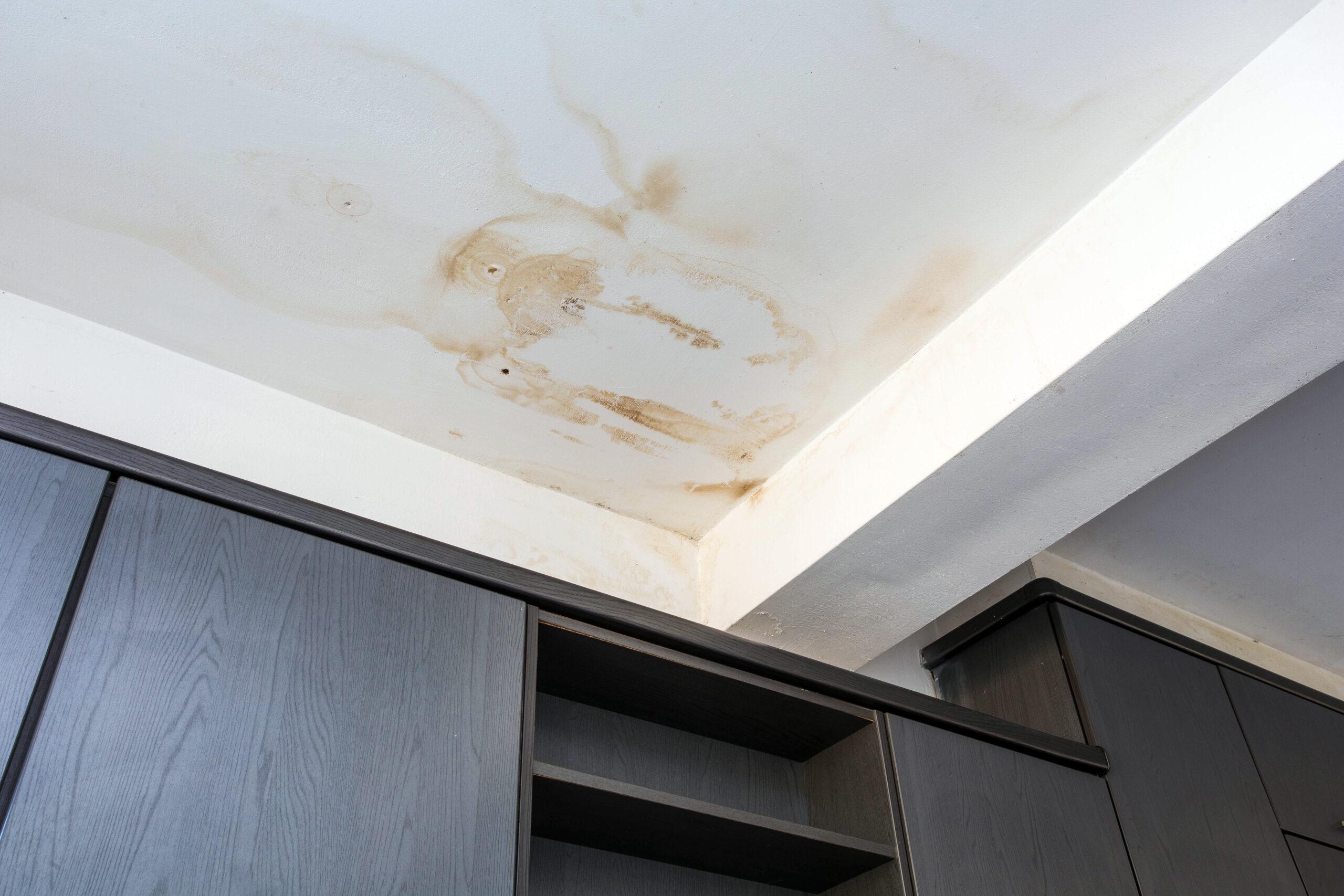
Fire Sprinkler Water Damage Insurance: Leaks, Bursts and Claims


Fire sprinkler water damage insurance questions have a fairly simple answer for homeowners: water that suddenly leaks or bursts from an automatic fire sprinkler system is covered under a standard homeowners policy, for both the house and your belongings. Repairing the sprinkler system itself isn't covered when it failed from wear or a defect. Damage from a sprinkler that froze is excluded if you didn't keep the heat on or drain the system. Water from a sprinkler that put out a fire is part of the fire claim.
This guide explains how residential and condo sprinkler leaks are handled, who pays in a multi-unit building, and how to document a claim.
Why sprinklers leak
In a wet-pipe sprinkler system, the pipes hold water under pressure, and heads open when they get hot enough. Water can be released when:
- A head is knocked or damaged, such as by a ladder or moving furniture.
- A pipe or fitting cracks or corrodes.
- Pipes freeze in an unheated attic or garage.
- A head opens from heat near a fire or from a defect.
Because the system is under pressure, a broken head can release a lot of water quickly, especially in a condo where water travels to units below.
What the standard policy says
The ISO HO 3 form, a standard form insurers use as a model, names automatic fire protective sprinkler systems in its water coverage. Its 2011 edition covers accidental discharge or overflow of water from within a plumbing, heating, air conditioning or automatic fire protective sprinkler system. That coverage includes tearing out part of the building when needed to repair the system, but not the system itself.
For belongings, the personal property section names two perils that apply:
- Accidental discharge or overflow of water from a sprinkler system.
- Sudden and accidental tearing apart, cracking, burning or bulging of a sprinkler system.
Freezing
The ISO form excludes freezing of a plumbing, heating, air conditioning or automatic fire protective sprinkler system unless you used reasonable care to maintain heat in the building, or shut off the water supply and drained the system. If a sprinkler pipe in an attic bursts during a cold snap, the insurer will ask whether the house was heated. See frozen pipes insurance claims.
Wear and defects
Wear and tear, rust, corrosion, mechanical breakdown and latent defects are excluded. Replacing a corroded head or a defective fitting is on you. The water damage the failure caused can still be covered under the discharge coverage. If a defective head is part of a known recall, keep it and ask about a product claim against the maker.
If a contractor recently worked on the system, such as moving heads during a remodel, and the leak started at their work, the contractor's liability insurer may be responsible. Your insurer can pay you and then pursue the contractor. Keep the contractor's invoice and contact details.
When a sprinkler puts out a fire
If a sprinkler opens because of a fire, the water damage is part of the fire loss, along with smoke and heat damage. List water damage separately in your estimate so it isn't missed. See our fire damage claim services.
Condos and apartments
In condos and apartment buildings, one sprinkler break can damage several units. Who pays depends on:
- The association's master policy and its deductible.
- Your condo bylaws, which decide who owns the sprinkler pipes and the unit interiors.
- Your own condo unit policy, which covers your belongings and, depending on the bylaws, interior finishes.
- Whether someone was negligent, such as a resident who hung items from a head.
Tenants rely on their renters policy for their belongings. See renters insurance water damage and water damage in a rental.
Example: a broken head in a condo
A condo owner bumps a sprinkler head with a ladder while hanging a light. Water sprays until the building's sprinkler valve is shut off. The unit's flooring, drywall and furniture are soaked, and water reaches the unit below.
The association's master policy pays for building damage under its terms, with the deductible charged to the owner under the bylaws. The owner's condo policy pays for the owner's furniture and the deductible assessment, if it includes loss assessment coverage. The downstairs neighbor's damage raises a liability question. These facts are illustrative.
Drying starts the same day
Ask the drying company which water category it assigned under the IICRC S500 standard, since the category affects which materials must be removed. When sprinkler water runs through a ceiling into a lower unit, every layer it passed through, such as insulation, drywall and subfloor, needs moisture readings. Ask the drying company for a written moisture map and daily readings.
The deductible in a condo
Some condo bylaws pass the master policy deductible to the owner of the unit where the leak started. Loss assessment coverage in a unit owner policy can help pay that share, up to its limit. Read the bylaws and your declarations before the adjuster visits, so you know which policy each item belongs to.
Questions the adjuster will ask
Expect questions about when the leak started, who shut off the water, when the system was last inspected, and whether anything was hanging from or touching a head. For a frozen pipe, the adjuster will ask about the heat. Keep inspection tags, service records and thermostat history if you have them.
How to file a sprinkler leak claim
- Shut off the sprinkler supply valve, or call building management or the fire department if you can't.
- Move belongings out of the water and protect what you can.
- Photograph the broken head or pipe before it's replaced, and keep the part if you can.
- Call a water mitigation company and keep moisture readings.
- Report the claim to your insurer and, in a condo, to the association.
- Ask the sprinkler contractor to write down the cause of the failure.
Sprinkler water ruins carpet and ceilings fast. See does homeowners insurance cover carpet damage and ceiling water damage claims.
Sprinklers and other appliance leaks
AC systems are named alongside sprinklers in the same water coverage. See is AC leak water damage covered by insurance.
Common questions
Does homeowners insurance cover fire sprinkler water damage?
Yes, for sudden accidental discharge, subject to your deductible and policy exclusions.
Is a frozen sprinkler pipe covered?
Only if you kept the building heated or shut off and drained the system.
Who pays when a sprinkler floods a condo?
It depends on the master policy, the bylaws and your unit policy. Negligence by a resident can shift costs.
Does insurance cover a sprinkler that went off by accident?
Yes, accidental discharge from a sprinkler system is covered, including water damage to your belongings. Whether the head repair is covered depends on why it opened.
Does insurance pay to fix the sprinkler head?
Not when the head failed from wear or a defect. Tear-out to reach the pipe is covered.
Sprinkler water damage claim?
ClaimWarriors documents sprinkler leaks and sorts out coverage between unit and master policies. See our water damage claim services or contact us for a free claim review.
This article is general information, not legal advice. Coverage depends on your policy wording and state law. Last reviewed November 2026.