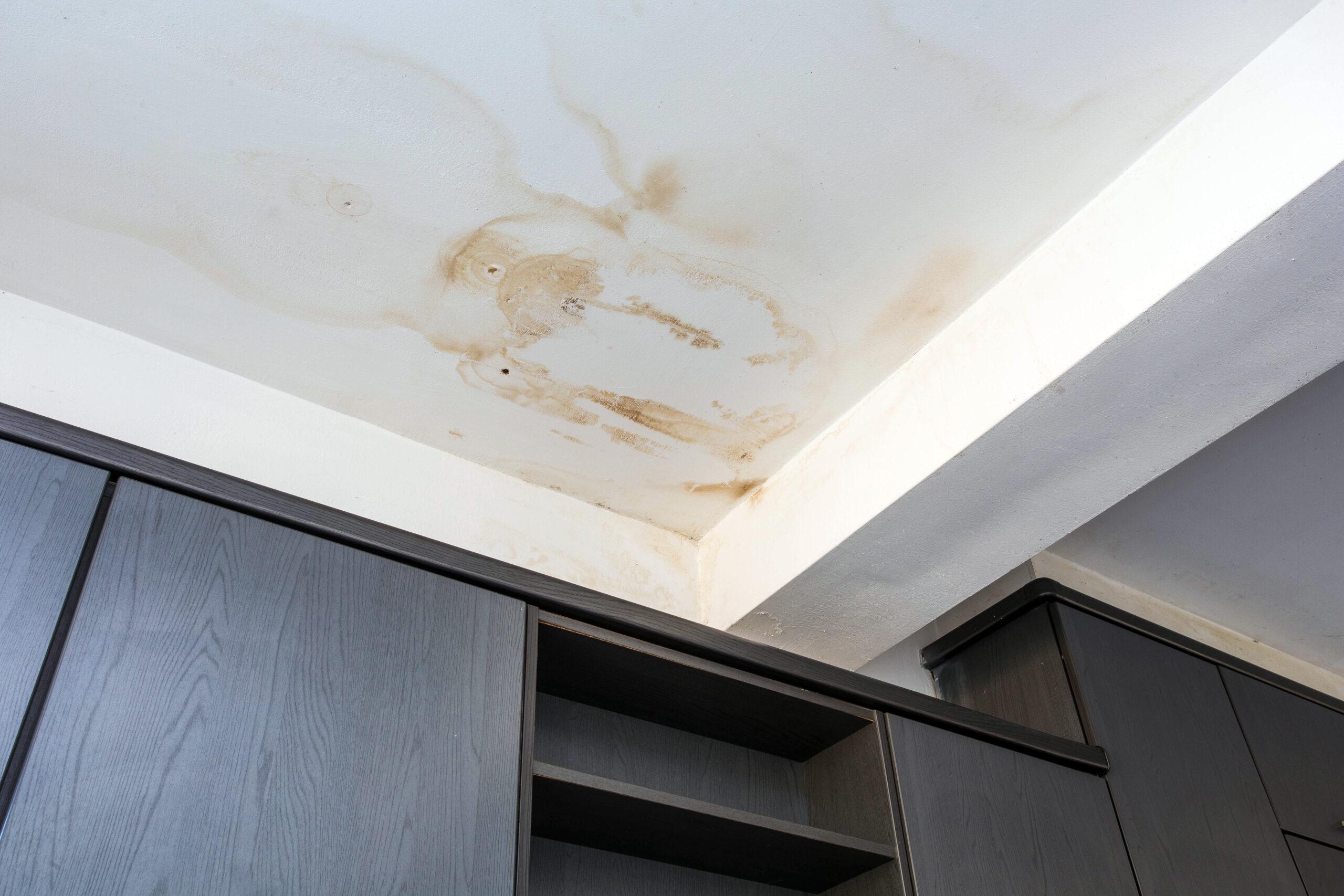
Landlord Insurance Water Damage: Who Pays, Landlord or Tenant?


Landlord insurance water damage coverage and the tenant's renters insurance each pay for different things. The landlord's policy covers the building, including walls, floors, ceilings and fixtures, and may pay lost rent while the unit is repaired. The tenant's renters policy covers the tenant's belongings and extra living costs. The landlord's policy doesn't cover the tenant's belongings. Who ends up paying for what can shift when someone's negligence caused the leak.
This guide explains how water damage is split between landlord and tenant, the gaps on each side, and how both should handle a claim.
What the landlord's policy covers
A landlord insures a rented house or unit with a dwelling or landlord policy, not a standard homeowners policy. Those policies can cover:
- The building and attached structures.
- Appliances, carpet and other property the landlord owns and provides with the rental.
- Lost rent while the unit can't be lived in after a covered loss, called fair rental value.
- Liability, if the landlord is legally responsible for injury or damage to others.
Water coverage follows the same pattern as homeowners policies. Sudden discharge from plumbing, heating, AC or sprinkler systems is covered. Wear, long-term leaks where excluded, sewer backup without an endorsement, and flood are not. The ISO HO 3 form shows the standard wording for those water terms.
What the tenant's renters policy covers
A renters policy covers the tenant's own furniture, clothing and electronics against named perils, which include accidental discharge of water from plumbing, heating, AC and sprinkler systems. It also pays additional living expenses if the unit can't be lived in after a covered loss, and personal liability. See renters insurance water damage.
Gaps on both sides
- The landlord's policy doesn't pay for the tenant's belongings, even when the building's pipe caused the damage.
- The tenant's renters policy doesn't repair the building.
- A tenant without renters insurance has no coverage for their belongings unless the landlord is legally liable.
- Flood and sewer backup are excluded on both sides unless the right coverage was added.
When negligence shifts the cost
A tenant causes the leak
If a tenant leaves a bathtub running or a window open in freezing weather, the landlord's insurer may pay for the building repair and then try to recover from the tenant. A tenant's liability coverage normally handles claims for damage to others' property. Standard homeowners forms, though, exclude damage to property the insured rents or occupies, except damage caused by fire, smoke or explosion. That means water damage the tenant causes to the unit they rent may not be covered under their liability section. Check the renters policy wording for any added coverage.
A landlord ignores a repair request
If a tenant reported a leak in writing and the landlord didn't fix it, the tenant may have a claim against the landlord for damaged belongings. State landlord-tenant laws decide repair duties, and the lease matters. A tenant's renters policy may pay first and then pursue the landlord.
Leaks from another unit
In an apartment building, when water comes from an upstairs unit, each party can file with its own insurer, and the insurers can sort out fault between them.
Lost rent and moving out
When a unit can't be lived in, two coverages can apply at the same time. The landlord's fair rental value coverage replaces the rent the landlord loses during repairs, if the policy includes it. The tenant's additional living expense coverage pays the tenant's extra costs, like a hotel, above normal spending. Whether the tenant still owes rent during repairs depends on the lease and state law, not on either policy.
Mold after a rental leak
If a leak isn't dried quickly, mold can grow and turn a simple claim into a dispute. Standard forms exclude mold except in limited cases tied to a covered water leak, and some policies cap mold coverage. Landlords should start drying right away, and tenants should report musty smells or spots in writing. See mold insurance claims.
Keeping records
Written records carry the claim on both sides. Landlords should keep move-in photos, maintenance logs and dated repair requests. Tenants should keep a copy of the lease, a list of belongings with photos, and any written notice they sent about leaks. If the insurers disagree about fault, those records are what they'll ask for.
Example: a burst pipe in a duplex
A supply line under a kitchen sink bursts while a tenant is at work. Water soaks the kitchen floor, cabinets and a downstairs unit's ceiling. The tenant's laptop and rug are ruined.
The landlord's policy pays for building repairs in both units and lost rent while the kitchen is rebuilt, minus the deductible. The tenant's renters policy pays for the laptop and rug and a hotel stay. These facts are illustrative.
When the landlord's crew does the cleanup
After a leak, the landlord is in charge of repairs to the building, and the tenant deals with their own belongings. Tenants should still photograph everything before the mitigation crew moves or throws out items, because the crew works for the landlord or the landlord's insurer. Ask the crew for a list of anything they discard.
What landlords should do
- Stop the water and arrange emergency drying quickly.
- Photograph the source, damage and dates, and keep tenant repair requests.
- Report the claim to your insurer, including lost rent if the unit can't be used.
- Tell tenants in writing to contact their own renters insurer for their belongings.
- Keep receipts for mitigation and any temporary repairs.
If a unit sat empty between tenants, check your policy's vacancy terms. Some policies limit coverage for water damage or freezing when a building has been vacant beyond a set period. Landlords can also check whether their leases require tenants to carry renters insurance.
What tenants should do
- Notify the landlord in writing right away.
- Photograph your damaged belongings and the source of the water.
- Report the claim to your renters insurer.
- Keep receipts for hotel stays and meals if you have to move out.
Specific water sources
The cause of the leak affects how both policies respond. For specific sources, see fire sprinkler water damage insurance, AC leak water damage, cast iron pipe claims and ceiling water damage claims. Flood claims in a rental follow NFIP rules. See flood insurance proof of loss.
Common questions
Does landlord insurance cover tenant belongings after water damage?
No. Tenants need their own renters insurance for their belongings.
Is the landlord responsible for water damage to tenant property?
Only if the landlord was negligent, such as ignoring a reported leak. State law and the lease decide that.
Can a landlord charge a tenant for water damage?
If the tenant caused it through negligence, the landlord or their insurer may seek repayment, subject to the lease and state law.
Does renters insurance cover water damage to the apartment itself?
No. The building is the landlord's to insure. Standard forms also exclude liability for damage to property you rent, except fire, smoke or explosion.
Does landlord insurance pay lost rent after water damage?
Dwelling policies can include fair rental value coverage for a covered loss. Check your declarations.
Rental water damage claim?
ClaimWarriors works with landlords on building and lost rent claims after water damage. See our water damage claim services or contact us for a free claim review.
This article is general information, not legal advice. Coverage depends on your policy wording and state law. Last reviewed November 2026.