Collapse Coverage in Homeowners Insurance: What Counts as a Collapse

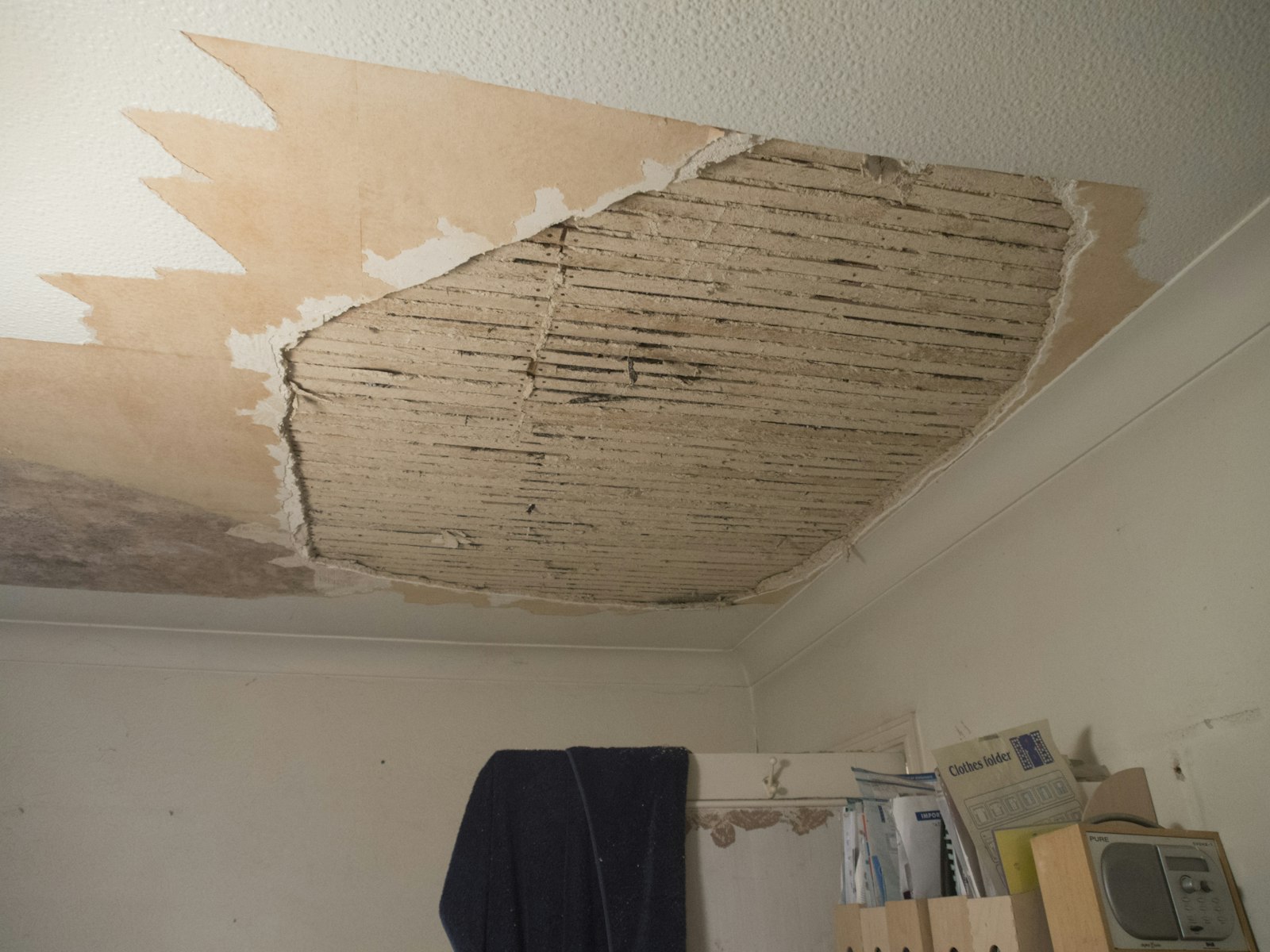
A bathroom floor gives way and the tub drops into the kitchen below. A ceiling caves in under the weight of water. A sagging roof finally comes down after a snowstorm. All three are collapses, and the standard homeowners policy treats collapse differently from almost every other kind of damage. Whether the claim is paid depends on two questions: was the collapse abrupt, and what caused it.
Collapse is excluded except for one additional coverage
The standard homeowners form (ISO HO-3) covers the dwelling on an open perils basis, but it excludes loss involving collapse. That exclusion covers abrupt falling down, loss of structural integrity, and related cracking, bulging or sagging. The only way back in is the Additional Coverage called Collapse. If a collapse does not fit its terms, the claim usually fails.
What counts as collapse
The form covers only an "abrupt collapse," which it defines as an abrupt falling down or caving in of a building or part of a building, with the result that the building or that part "cannot be occupied for its intended purpose." It then lists what does not count:
- A building or part of a building that is in danger of falling down or caving in.
- A part of a building that is still standing, even if it has separated from another part.
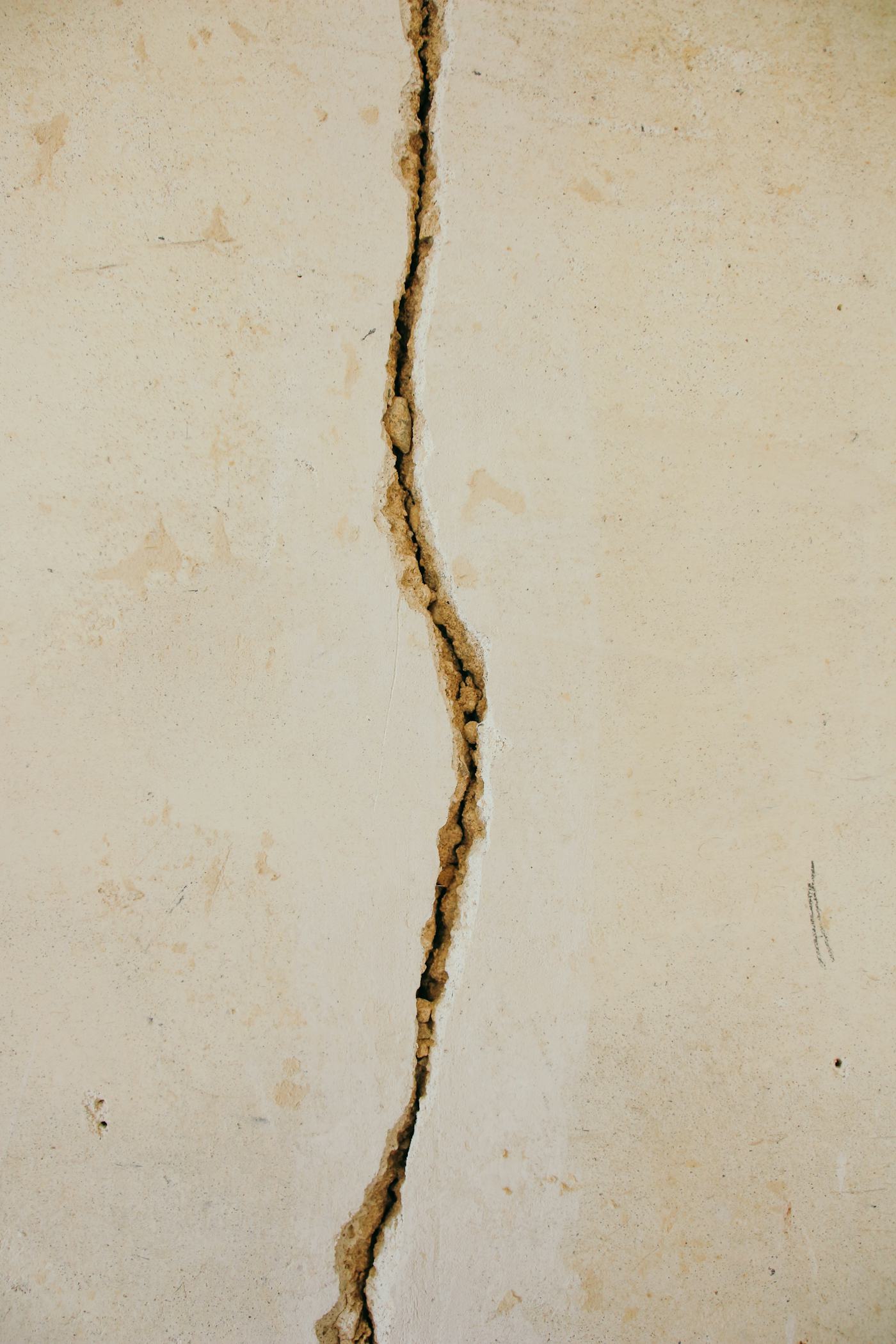
- A building or part that is standing, even if it shows cracking, bulging, sagging, bending, leaning, settling, shrinkage or expansion.
A ceiling that sags for months is not a collapse under this wording. The same ceiling is a collapse on the day it comes down.
The six covered causes
An abrupt collapse is covered only if it was caused by one or more of these:
- A peril named for personal property, such as fire, windstorm, falling objects, or the weight of ice, snow or sleet.
- Decay that was hidden from view, unless an insured knew about it before the collapse.
- Insect or vermin damage that was hidden from view, unless an insured knew about it.
- The weight of contents, equipment, animals or people.
- The weight of rain that collects on a roof.
- Defective materials or methods in construction, remodeling or renovation, if the collapse happens during the work.
Hidden decay is the cause that comes up most. A slow leak inside a wall can rot a floor joist out of sight for years. If nobody knew, the collapse can be covered even though the leak itself may face its own exclusions. See slow leak claims.
Decks, fences, patios and foundations
The form names a list of structures that are not covered for collapse under causes 2 through 6 unless the loss is a direct result of the collapse of a building: awnings, fences, patios, decks, pavement, swimming pools, underground pipes, flues, drains, septic tanks, foundations, retaining walls, bulkheads, piers, wharves and docks. A deck that falls because of hidden rot is usually not covered. A deck crushed by the weight of snow can be, because weight of ice, snow or sleet is a named peril under cause 1.
Older policy wording and the Connecticut cases
Some insurers still use older collapse wording without the word "abrupt." Courts have read that language in different ways. In 2019 the Connecticut Supreme Court decided Karas v. Liberty Insurance Corp. and two companion cases about basement walls cracking from pyrrhotite in the concrete. The court applied a "substantial impairment of structural integrity" standard and held that it requires a home to be in imminent danger of falling down. The homeowners lost. For how foundation damage is handled more broadly, see foundation crack coverage.
What the claim includes
The collapse coverage does not raise your dwelling limit. The repair of the collapsed part comes out of the same limit as any other dwelling loss. Contents crushed in the collapse are a personal property claim. If the house cannot be lived in, additional living expenses may apply. Water that spreads after a collapse needs fast drying to stop further damage. See water mitigation costs in a claim.
When a tree comes through the roof, the collapse is caused by a named peril and the claim is usually simpler. See when a tree falls on your house.
Why insurers deny collapse claims
- The structure was sagging or cracked but still standing.
- The decay was visible or known before the collapse.
- The cause was long-term wear, settling or poor maintenance.
- The collapsed item is on the excluded list, such as a deck or retaining wall.
The insurer has to point to the language it relies on. Ask for it in writing. Denials for wear and tear follow a similar pattern on roofs. See roof claims denied for wear and tear.
Example: hidden rot drops a bathtub
Illustrative numbers: a leaking shower drain rots two floor joists inside a closed ceiling. One evening the tub drops partly through the kitchen ceiling. Nobody knew about the rot. Framing, flooring, the tub, ceiling and kitchen cabinets cost $38,000. Drying and cleanup cost $4,500. Crushed kitchen items are worth $1,800. The deductible is $1,000. If the insurer accepts hidden decay as the cause, it pays $44,300 less the deductible, or $43,300. If it argues the rot was visible from a stained ceiling, the dispute turns on what the owners knew and when.
What to do after a collapse
- Get everyone out and call the fire department if the structure is unsafe.
- Photograph and video the scene before anything is removed.
- Keep the failed pieces, such as rotted joists or broken connectors.
- Report the claim and ask whether the insurer will send an engineer.
- Hire your own engineer if the cause is disputed.
Common questions
Does homeowners insurance cover a collapsed ceiling?
It can, if the collapse was abrupt and caused by a listed cause such as hidden decay, the weight of rain on the roof or a named peril.
Is a sagging floor covered as a collapse?
Usually not. A part of a building that is still standing, even if it sags, is not a collapse in the standard form.
Is a deck collapse covered?
Not for hidden rot or the weight of people under the standard form, unless the house itself also collapsed. A deck crushed by snow or a falling tree can be covered.
What if I knew about the rot?
Decay known to an insured before the collapse is not a covered cause.
Does collapse coverage have its own limit?
No. It uses the limit for the damaged property and does not increase it.
Help with a collapse claim
ClaimWarriors works with engineers to document what caused a collapse and when. The fee is free unless we win. Learn how we handle property damage claims. Contact us for a claim review.
Examples are illustrative. This article is general information, not legal advice. Policy wording varies; your policy controls. Last reviewed November 2026.