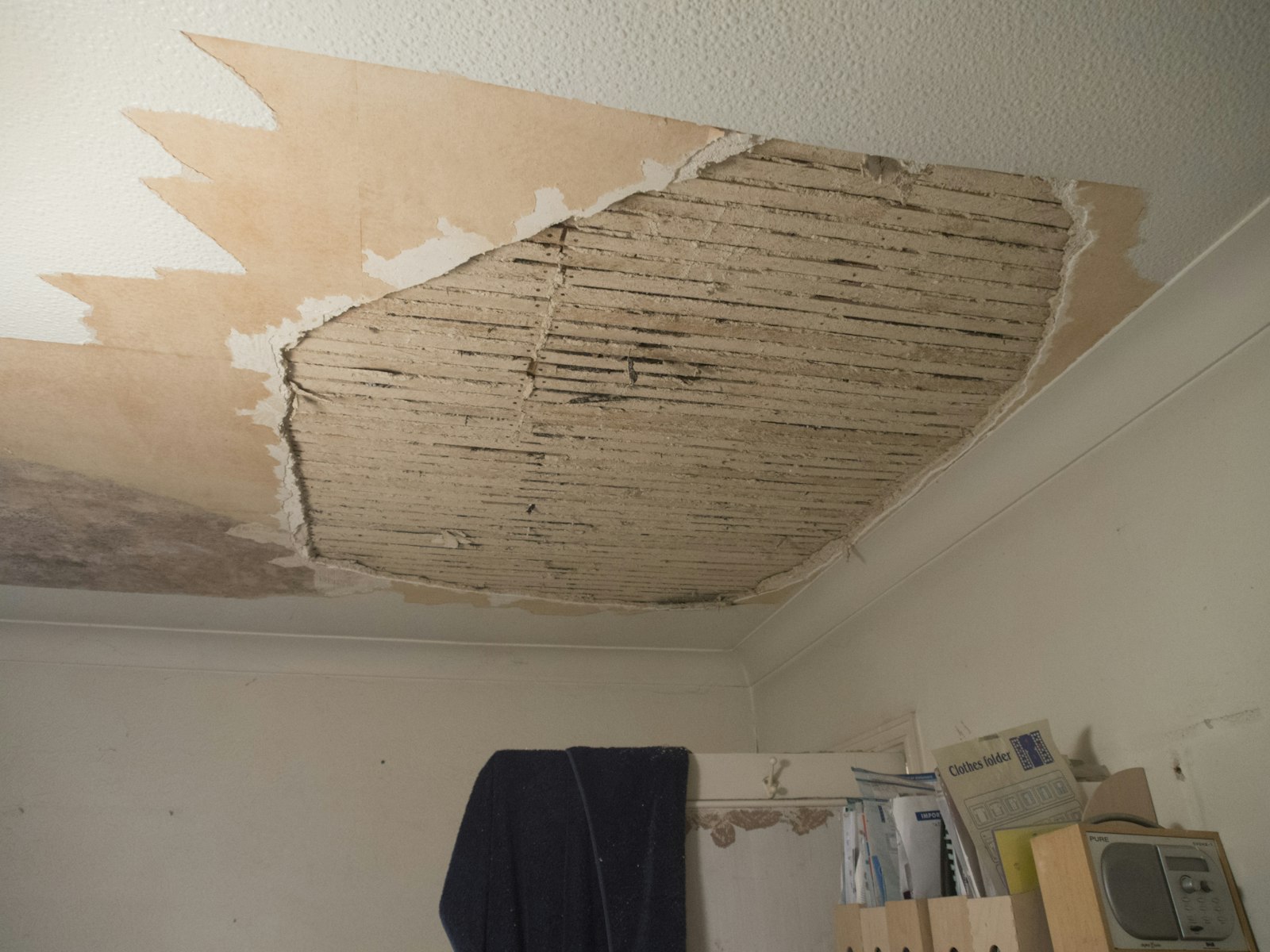
Foundation Crack Insurance Coverage: When Homeowners Insurance Pays

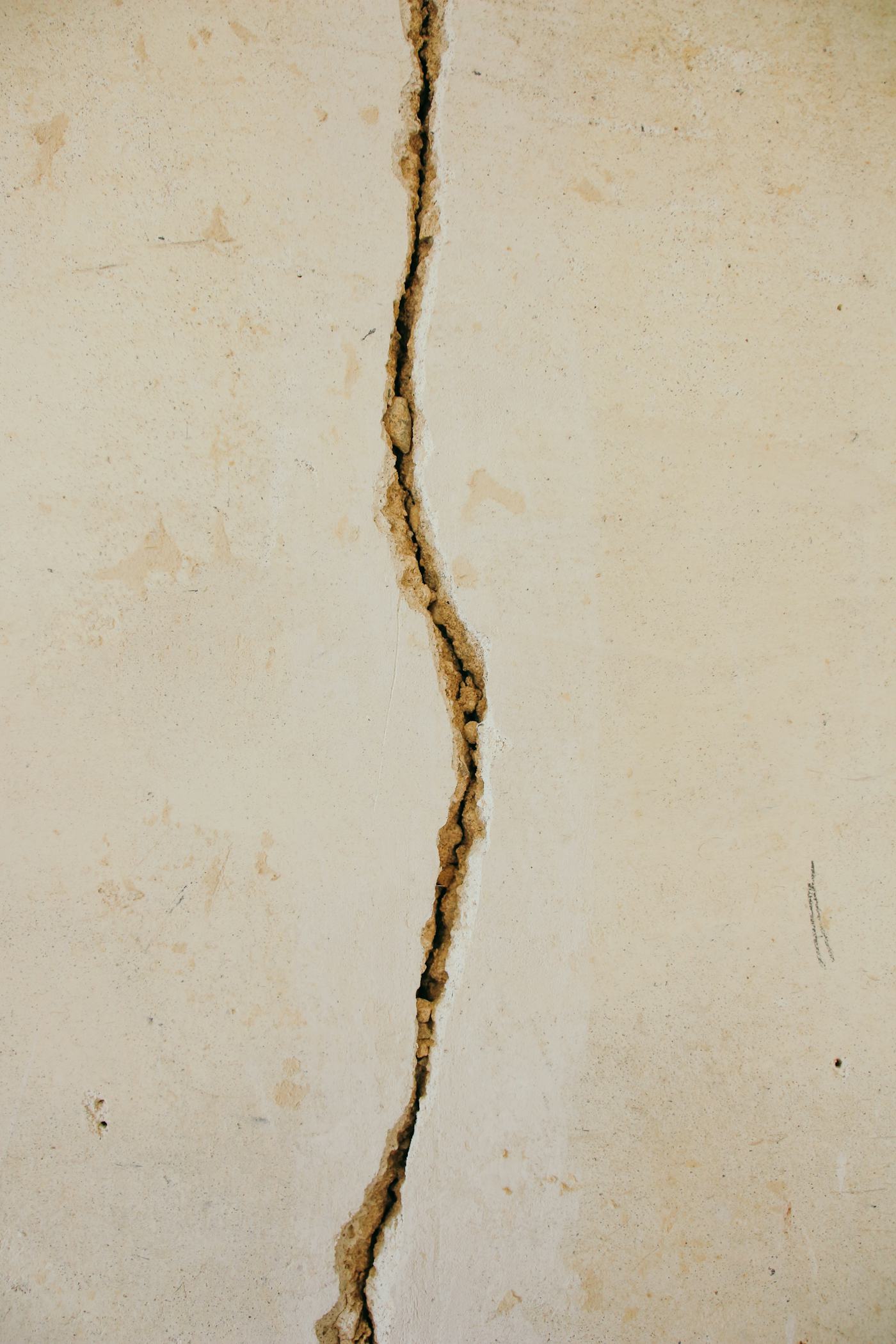
A crack shows up in the basement wall, or a stair-step crack runs through the brick outside. Doors start sticking. The first question most homeowners ask is whether insurance will pay to fix the foundation. In most cases the standard policy will not, because the usual causes of foundation cracks are excluded. A few situations are covered, and they are worth knowing before you accept a denial.
Why most foundation cracks are not covered
The standard homeowners form (ISO HO-3) covers the house on an open perils basis, then lists exclusions. Four of them account for almost every foundation denial:
- The form excludes "settling, shrinking, bulging or expansion, including resultant cracking," of footings, foundations, walls, floors, roofs and ceilings, along with bulkheads, pavements and patios.
- Earthquake, landslide, mudslide, subsidence, sinkholes and "any other earth movement including earth sinking, rising or shifting" are excluded, whatever caused the movement.
- Water below the surface of the ground, including water that presses on or seeps through a foundation, is excluded.
- Frost pressure on a footing, foundation or other structure that supports a building is excluded.
Wear and tear and deterioration are excluded too. Taken together, these cover the slow processes that crack most foundations: soil that shrinks and swells, frost, poor drainage and age.
When foundation damage can be covered
A sudden covered event hits the foundation
A car crashes into the house, a fire burns through a basement wall, or an explosion cracks it. These are sudden losses from a cause the policy does not exclude, and the foundation repair belongs in the claim. Fire, explosion and theft that result from earth movement are also covered under the standard form.
Tear-out to fix a covered plumbing leak
When water escapes from a plumbing system, the standard form covers the water damage and "the cost to tear out and replace any part of a building" needed to repair the system. That includes breaking up a slab to reach a leaking pipe. The pipe itself is not covered. See slab leak claims.
Ensuing loss
When an excluded cause leads to a different loss that is not excluded, the ensuing loss is covered. If a settling crack snaps a water line and the basement floods, the crack repair is excluded but the water damage from the broken line can be paid.
Abrupt collapse
A foundation is on the list of structures excluded from most of the collapse coverage, unless the loss results directly from the collapse of the building. See collapse coverage.
Endorsements
Earthquake coverage can be added by endorsement in many states, usually with a percentage deductible. Some states offer sinkhole coverage. If your foundation cracked after a quake and you have the endorsement, the shaking damage falls under it.
Water that comes in through a crack
Rain or groundwater seeping through a cracked basement wall falls under the groundwater exclusion. Water that backs up through a floor drain or overflows from a sump pit is excluded unless you bought water back-up coverage. See sump pump failure coverage. Frost heave and freezing damage follow their own rules. See frozen pipe claims.
Crumbling foundations in Connecticut
Thousands of homes in northeastern Connecticut were built with concrete containing pyrrhotite, a mineral that makes the concrete swell and crack over time. In 2019 the Connecticut Supreme Court held in Karas v. Liberty Insurance Corp. and companion cases that the collapse provisions in those homeowners policies did not cover this damage unless the home was in imminent danger of falling down. The state created the Connecticut Foundation Solutions Indemnity Company (CFSIC) in 2017. It provides grants of up to $175,000 per home for foundation replacement, funded by state bonding and a $12 surcharge on homeowners policies. By July 2025 it had paid for more than 1,100 foundation replacements. The program covers the foundation, and related work such as driveways and landscaping has generally fallen outside it.
Getting the cause right
Every foundation claim turns on cause. Insurers often send an engineer who concludes the damage is settling. If you believe a covered event caused it, such as a vehicle impact, a plumbing leak or an explosion, get your own structural engineer. Ask for a written report that ties the damage to a specific event and date. Keep photos with dates, any crack monitor readings and repair records. Water that keeps entering after the damage needs drying right away. See water mitigation costs.
Questions to ask the insurer
If the insurer denies a foundation claim, ask in writing which exclusion it relies on and for a copy of its engineer's report. Ask whether the engineer looked at the water lines, the drainage and the date the damage first appeared. If part of the loss is covered, such as water damage from a broken line, ask the insurer to pay that part even while the crack itself is in dispute.
Example: cutting the slab to reach a leak
Illustrative numbers: a pipe under a slab-on-grade house leaks for several days before the owners notice warm spots in the floor. A plumber cuts the slab to reach the line. Breaking out and replacing the concrete and flooring costs $3,500. Water damage to walls, cabinets and baseboards costs $6,000. The pipe repair itself costs $1,200. The deductible is $1,000. The insurer pays $9,500 less the deductible, or $8,500. The $1,200 pipe repair stays with the owner, because the form does not cover the system the water escaped from.
Common questions
Does homeowners insurance cover foundation cracks?
Usually not when they come from settling, soil movement, frost or groundwater. Damage from a sudden covered event, such as a car hitting the house, can be covered.
Is foundation repair covered after a plumbing leak?
Tearing out and replacing the slab or foundation to reach and repair the leaking pipe is covered under the standard form, along with the water damage. The pipe is not.
Does earthquake insurance cover foundation cracks?
If you have earthquake coverage, it covers foundation damage from the quake, subject to its deductible.
Will insurance pay to fix a foundation damaged by tree roots?
Usually not. Root pressure is a slow process, and the cracking falls under the settling and deterioration exclusions.
Should I repair the crack before the adjuster visits?
Do only what is needed to stop further damage, and photograph everything first.
Help with a foundation claim
ClaimWarriors reviews engineering reports and looks for the covered part of foundation and water claims. The fee is free unless we win. Learn how we handle water damage claims. Contact us for a claim review.
Examples are illustrative. This article is general information, not legal advice. Policy wording varies; your policy controls. Last reviewed November 2026.