Does Homeowners Insurance Cover a Pool Leak?


Does homeowners insurance cover a pool leak? Not under a standard policy. A pool that leaks because of age, cracks from settling, failed seals or worn plumbing falls under standard exclusions for wear, deterioration and earth movement, and damage from freezing or water pressure against the pool is excluded. A pool damaged by a covered peril, such as a falling tree, fire or vandalism, can be covered as an other structure. Water from a pool that damages the house raises separate questions.
This guide explains the policy wording for pools, when a claim can work, and how to approach pool damage after a storm.
How pools are insured
An in-ground pool can be covered under Coverage B, other structures, with the limit shown in your declarations. Check your policy definitions for how an above-ground pool and pool equipment, such as pumps, heaters and filters, are treated.
What the standard policy excludes
The ISO HO 3 form, a standard form insurers use as a model, contains several exclusions that matter for pools. Its 2011 edition excludes:
- Freezing, thawing, pressure or weight of water or ice to a swimming pool.
- Wear and tear, deterioration, rust, mechanical breakdown and latent defects.
- Settling, shrinking, bulging or expansion, including cracking of pavements, patios and foundations.
- Earth movement, such as earthquake, landslide, sinkhole and soil shifting.
- Water below the surface of the ground, including water that exerts pressure on or seeps through a swimming pool.
The form's collapse coverage doesn't apply to a swimming pool or underground pipes unless the loss is a direct result of the collapse of a building.
When a pool claim can be covered
Damage from perils that aren't excluded can be covered. Examples include:
- A tree falling into the pool in a windstorm.
- Fire or lightning damaging the pool equipment.
- Vandalism, such as a broken liner or damaged equipment.
- A vehicle driving into the pool area.
The policy's debris removal coverage may also pay to clear storm debris from the pool after a covered loss. See tree fell on house insurance and does homeowners insurance cover storm damage.
Leaks that damage the house
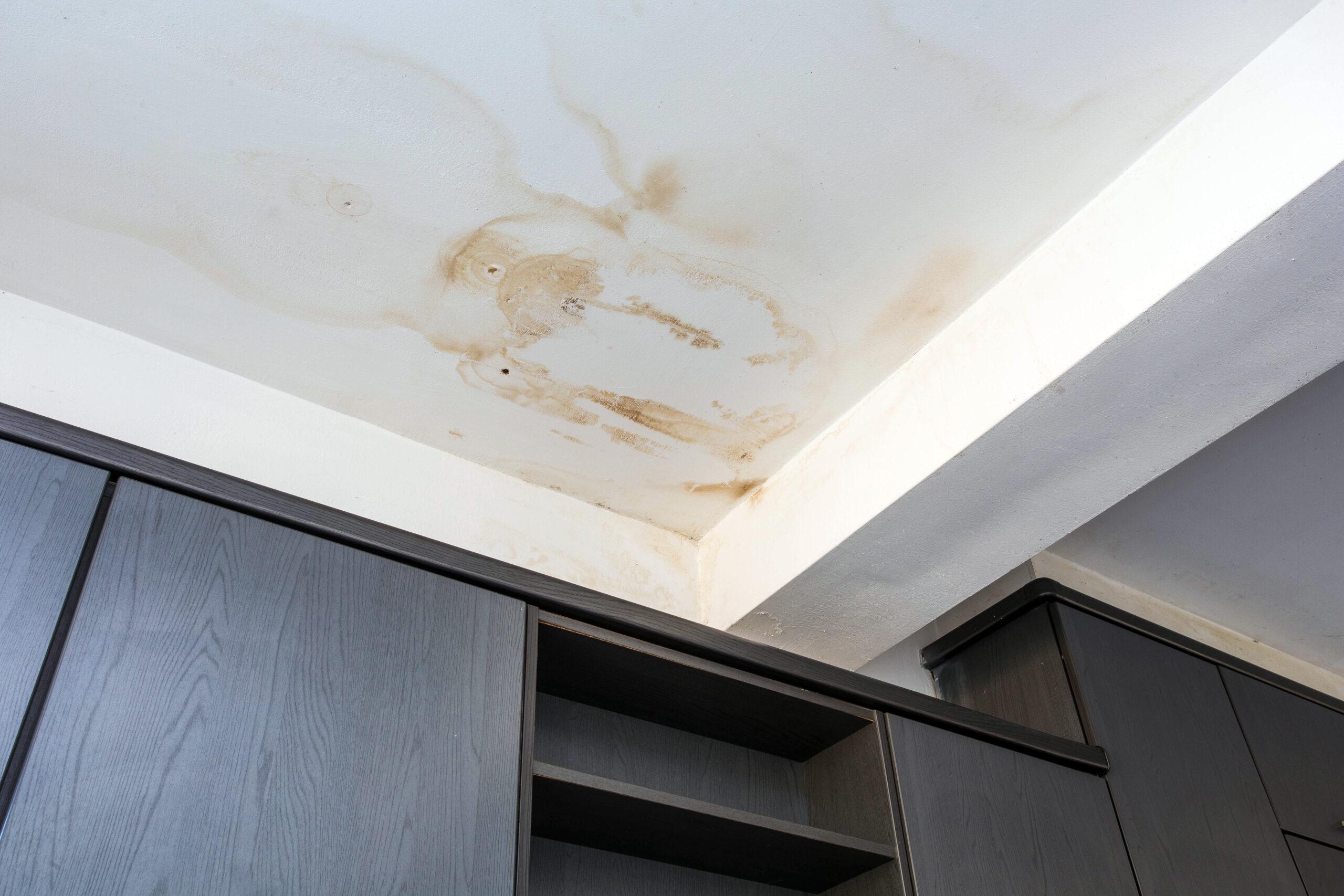
A pool leak can wash out soil, undermine a patio, or put water against a foundation. Insurers will look at the source. Damage from groundwater or earth movement is excluded. A leaking pool pipe that discharges water into the house may be argued as accidental discharge from a plumbing system, depending on the policy wording and where the pipe is. See retaining wall insurance coverage.
Confirming the leak
Before filing, confirm the pool is actually leaking. Pools lose water to evaporation, and hot, dry, windy weather speeds that up. A bucket test compares the water lost from a bucket set on a pool step with the water lost from the pool over a day or two. If the pool drops noticeably more, a leak detection company can pressure test the lines and dye test cracks and fittings.
Why the cause matters
Because the exclusions are broad, the cause written in the contractor's report decides the claim. A report saying the crack came from ground movement or the liner failed from age leads to a denial. A report tying the damage to a specific event, such as a storm date, a falling limb or a lightning strike, gives the adjuster a covered peril to work with. Ask the contractor to describe what they saw and why they reached their conclusion, and keep photos that match the report.
Damage to the deck and patio
Water from a leaking pool can soften soil and crack the deck or patio around it. Settling and cracking of patios is excluded, and so is water below the surface of the ground, so this damage can be denied unless a covered peril started it.
Above-ground pools
Above-ground pools face the same exclusions for wear, settling and freezing. Wind can collapse an above-ground pool wall or blow debris into it, and windstorm is a covered peril. A collapse from a failed wall, a rusted bottom track or ground washing out under the pool is likely to be treated as wear or earth movement. Photograph the frame and the ground before draining or removing the pool.
Draining and refilling
If a covered loss requires draining the pool for repairs, ask the insurer whether it will pay for draining and refilling as part of the repair. An in-ground pool drained where groundwater is high can be pushed up out of the ground, so follow the pool contractor's advice before draining.
Earthquakes and landslides
Cracking from earthquake or landslide is excluded under the earth movement exclusion. Earthquake coverage requires a separate policy or endorsement, which may include other structures. See earthquake damage insurance coverage.
Pool equipment
Pumps, heaters and filters that fail from age or mechanical breakdown aren't covered under the base policy. An equipment breakdown endorsement may cover sudden mechanical failure. Lightning or a power surge that damages pool equipment can be covered. See does homeowners insurance cover a well pump, which works the same way.
Example: two pool claims
In the first case, a homeowner sees the pool losing an inch of water a day. A leak detection company finds a crack in the shell from soil settling. The insurer denies the repair under the settling and earth movement exclusions.
In the second case, a windstorm drops an oak limb into a pool, tearing the vinyl liner and bending the ladder. The insurer pays for limb removal, the liner and the ladder under other structures, minus the deductible. These facts are illustrative.
How to file a pool damage claim
- Photograph the damage, the water level and any debris before cleanup.
- Record the cause, such as a storm date or a vandalism police report number.
- Get a pool contractor's written estimate and cause opinion.
- Report the claim and ask which coverage applies to the pool.
- Keep receipts for emergency repairs, like covering the pool or draining it if needed.
Underground pipes to a septic system have similar gaps. See does homeowners insurance cover septic backup. For old drain lines, see cast iron pipe insurance claims.
Liability
Pool accidents fall under the liability section of your policy. Insurers may ask about fences, diving boards and slides. That's a separate topic from pool leaks, but worth reviewing with your agent.
Common questions
Does homeowners insurance cover pool liner replacement?
Not when the liner wore out from age. A liner torn by a covered peril, such as a falling limb or vandalism, can be covered.
Does insurance cover a cracked pool?
Generally no when settling, earth movement or freezing caused the crack. Covered perils are different.
Is pool equipment covered by homeowners insurance?
For covered perils like lightning or fire, yes. Mechanical failure needs an equipment breakdown endorsement.
Does homeowners insurance cover leak detection for a pool?
Not on its own. Leak detection is part of finding and fixing an excluded leak.
Pool damage claim denied?
ClaimWarriors reviews pool claims for covered causes like wind, falling trees and lightning. See our storm damage claim services or contact us for a free claim review.
This article is general information, not legal advice. Coverage depends on your policy wording and state law. Last reviewed November 2026.