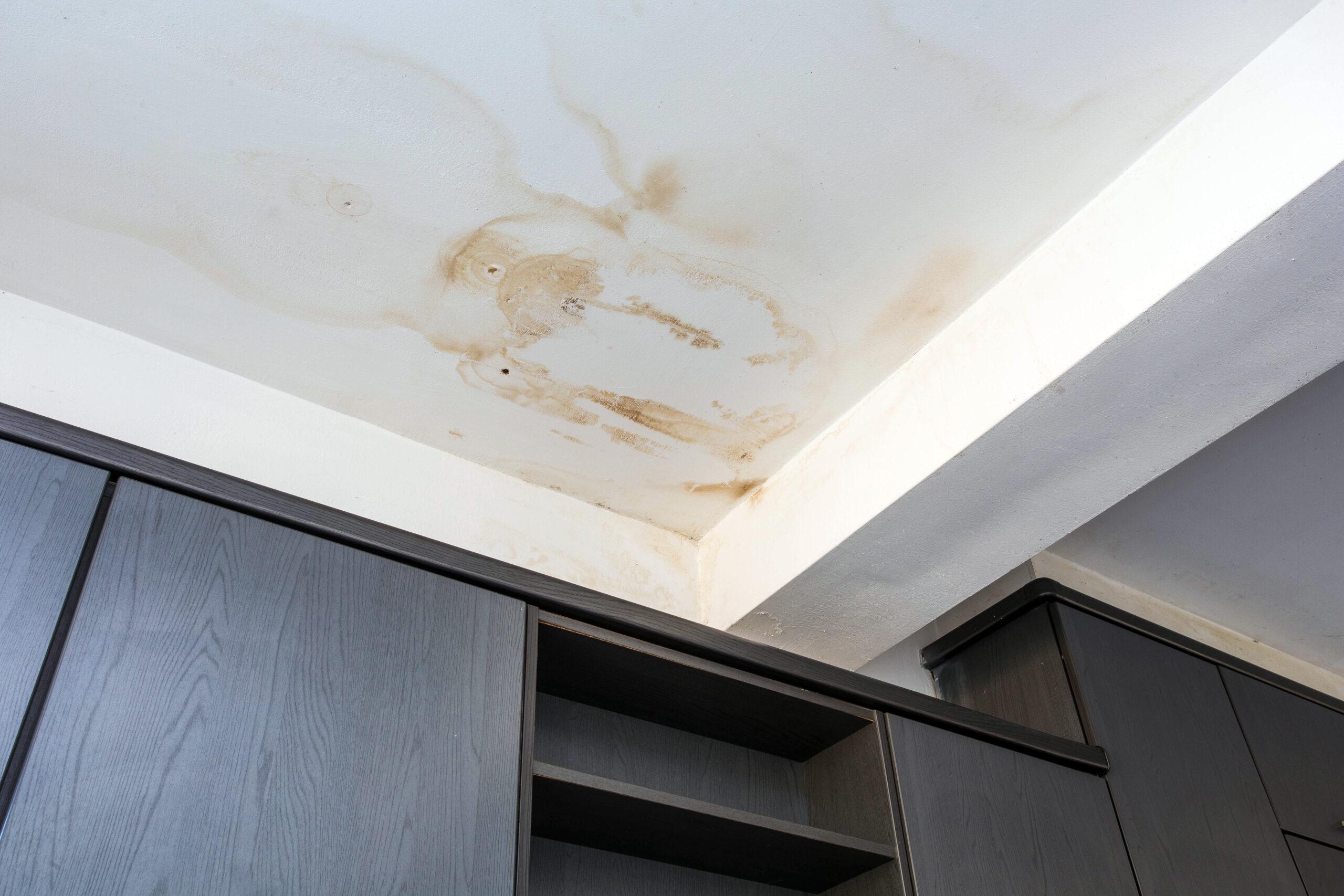
Cast Iron Pipe Insurance Claim: Wear and Tear vs Covered Damage


A cast iron pipe insurance claim splits into two parts. The pipe itself, cracked, corroded or scaled after decades of use, isn't covered, because standard policies exclude wear, deterioration, rust and corrosion. The water damage a sudden break causes, and the cost to tear out floors or walls to reach and fix the pipe, can be covered. Disputes can center on how the leak happened, how long it ran, and how much demolition the policy pays for.
This guide explains how insurers treat cast iron drain lines, the policy wording that matters, and how to build a claim when one fails.
Why cast iron fails
Older homes may have cast iron drain, waste and vent lines, sometimes running under the slab or inside walls. Over time, the inside of the pipe corrodes and scales, and the bottom of horizontal runs can wear thin or crack. Roots can enter at joints. The failure may be discovered when a drain backs up, a floor becomes damp, or a camera inspection shows holes or channels in the pipe bottom.
What the standard policy says
The ISO HO 3 form, a standard form insurers use as a model, covers the house against direct physical loss unless excluded. Its 2011 edition excludes wear and tear, deterioration, rust and corrosion, mechanical breakdown and latent defects. It then covers accidental discharge or overflow of water from within a plumbing system, and that coverage "includes the cost to tear out and replace any part of a building" when necessary to repair the system. It doesn't cover the plumbing system itself.
Under that wording:
- Replacing the corroded cast iron pipe isn't covered.
- Water damage from a sudden break or leak in the pipe can be covered.
- Breaking out a slab, flooring or wall to reach the pipe can be covered as tear-out.
- Restoring the floor, cabinets and finishes after the repair can be covered.
Reasons for denial
Wear and corrosion with no sudden event
If a camera inspection finds a deteriorated pipe but no water damage, there's nothing to cover except the pipe, which is excluded. Insurers deny these claims as maintenance.
Long-term leakage
The base ISO form has no exclusion for repeated seepage, but some insurers' forms exclude damage from leaks that continued over weeks or months. Under-slab leaks can run unseen for a long time. See slow leak claims denied for repeated seepage.
Backup, not discharge
If sewage backs up through the drains from a blockage, the insurer may apply the exclusion for water that backs up through sewers or drains, which is covered only by a water backup endorsement. See does homeowners insurance cover septic backup.
Water below the ground
Leaks from a pipe under the slab can be argued as water below the surface of the ground. The ISO form says that exclusion doesn't apply to losses covered as accidental discharge from a plumbing system, which is an important point to raise.
How much tear-out is covered
Tear-out coverage pays to open the building where needed to repair the system. Disputes come up when a plumber recommends replacing the whole line and the insurer agrees to pay only for opening the floor at the broken spot. Ask your plumber to explain in writing why spot repair isn't possible, for example because the pipe is too thin to connect to, and include camera footage. If the insurer pays for one opening, it may pay to restore that area of flooring and cabinets, with matching questions for the rest of the floor.
What to ask your plumber
The plumber's report can decide the claim. Ask the plumber to answer in writing where the pipe failed, whether water escaped into the building, how long the leak likely ran, whether the pipe can be spot repaired, and how much of the floor must be opened to do the work. Ask for the camera video with distance markers, so the adjuster can match each defect to a spot on the floor. A report that only says the pipe is old and needs replacement helps the insurer more than it helps you.
Service line and equipment endorsements
Pipes outside the foundation, such as the lateral to the street sewer, may not be covered under the base form. A service line endorsement can pay to excavate and repair underground lines, up to the limit shown in the endorsement. ISO's utility line endorsement doesn't include septic tanks or water wells. See sewer line replacement insurance.
Example: a cracked line under a kitchen
A homeowner notices a sewage odor and water seeping through grout in a kitchen floor. A plumber's camera finds a cracked cast iron drain under the slab. The plumber reports that the pipe bottom is eroded along a 20-foot run and recommends replacing it.
The insurer denies the pipe replacement as wear and corrosion. It pays to break out the floor and cabinets above the crack, dry and clean the area, and restore the cabinets, tile and baseboards, minus the deductible. The homeowner pays for the new pipe. The homeowner disputes the scope of tile replacement because the discontinued tile can't be matched, and the insurer agrees to retile the connected kitchen floor. These facts are illustrative.
How to file a cast iron pipe claim
- Stop using drains in the affected area and shut off water if water is leaking.
- Photograph the visible damage, stains and odors in the area.
- Get a licensed plumber's camera inspection with video, and keep the footage.
- Ask the plumber to write down where the pipe failed, how, and whether the failure is sudden or long-term.
- Report the claim and describe the water damage, not just the pipe.
- Have a mitigation company dry and clean the area, especially if sewage is involved.
- Get a written estimate that separates tear-out and restoration from the pipe work.
Contaminated water damages floor coverings more than clean water. See does homeowners insurance cover carpet damage. For general plumbing leaks, see plumbing leak insurance coverage.
Landlords and rentals
In a rental, the landlord's policy handles the building, including tear-out and restoration, while a tenant's renters policy handles the tenant's damaged belongings. See water damage in a rental.
Pools and other underground lines
Underground pipes outside the house, such as pool lines and irrigation, face similar wear exclusions and are listed among items the collapse coverage doesn't reach. See does homeowners insurance cover a pool leak.
Common questions
Does homeowners insurance cover cast iron pipe replacement?
Generally no. Replacing a pipe that has corroded or worn out is excluded. Water damage and tear-out from a sudden leak can be covered.
Does insurance cover a collapsed cast iron pipe under a slab?
The pipe repair isn't covered under the standard form. The cost to break out and restore the slab and finishes, and any sudden water damage, may be.
Can I get coverage for old cast iron pipes?
Some insurers ask about plumbing age and may limit coverage. Service line endorsements cover underground lines outside the house, up to their limits.
What if the insurer says the leak was long-term?
Ask for the evidence and the exact exclusion. A plumber's report and moisture readings can show when the leak started.
Cast iron claim denied?
ClaimWarriors separates covered water damage and tear-out from excluded pipe wear and negotiates the full scope. See our water damage claim services or contact us for a free claim review.
This article is general information, not legal advice. Coverage depends on your policy wording and state law. Last reviewed November 2026.