Does Renters Insurance Cover Water Damage? Belongings, Hotel and Liability


Does renters insurance cover water damage? Yes, for your belongings, when the water comes suddenly from inside the building: a burst pipe, a leaking water heater, an overflowing toilet or tub, or a neighbor's leak coming through the ceiling. It can also pay for a hotel while the apartment is repaired, and for damage you accidentally cause to someone else's property. It does not cover the building itself, which is the landlord's responsibility, and like a homeowners policy it excludes flood, groundwater and sewer backup without an add-on.
It can be unclear who pays for what after a leak. This guide splits it out between you, your landlord and your neighbors.
The three parts of a renters policy
A standard renters policy has three main coverages. Personal property coverage pays for your belongings. Loss of use, also called additional living expenses, pays the extra cost of living elsewhere while the unit can't be lived in. Personal liability pays when you're legally responsible for damage to someone else's property or an injury. The California Department of Insurance describes the same structure, and notes loss of use is commonly set at a percentage of the personal property limit, such as 20%.
Water damage that can be covered
Renters policies generally cover belongings for a list of named perils. The standard ISO list, the same one homeowners policies use for personal property, includes "accidental discharge or overflow of water or steam from within a plumbing, heating, air conditioning or automatic fire protective sprinkler system or from within a household appliance." In practice that covers:
- A burst or leaking pipe in your unit or the building.
- A failed water heater, washing machine hose or dishwasher.
- An overflowing toilet, tub or sink. See toilet overflow claims.
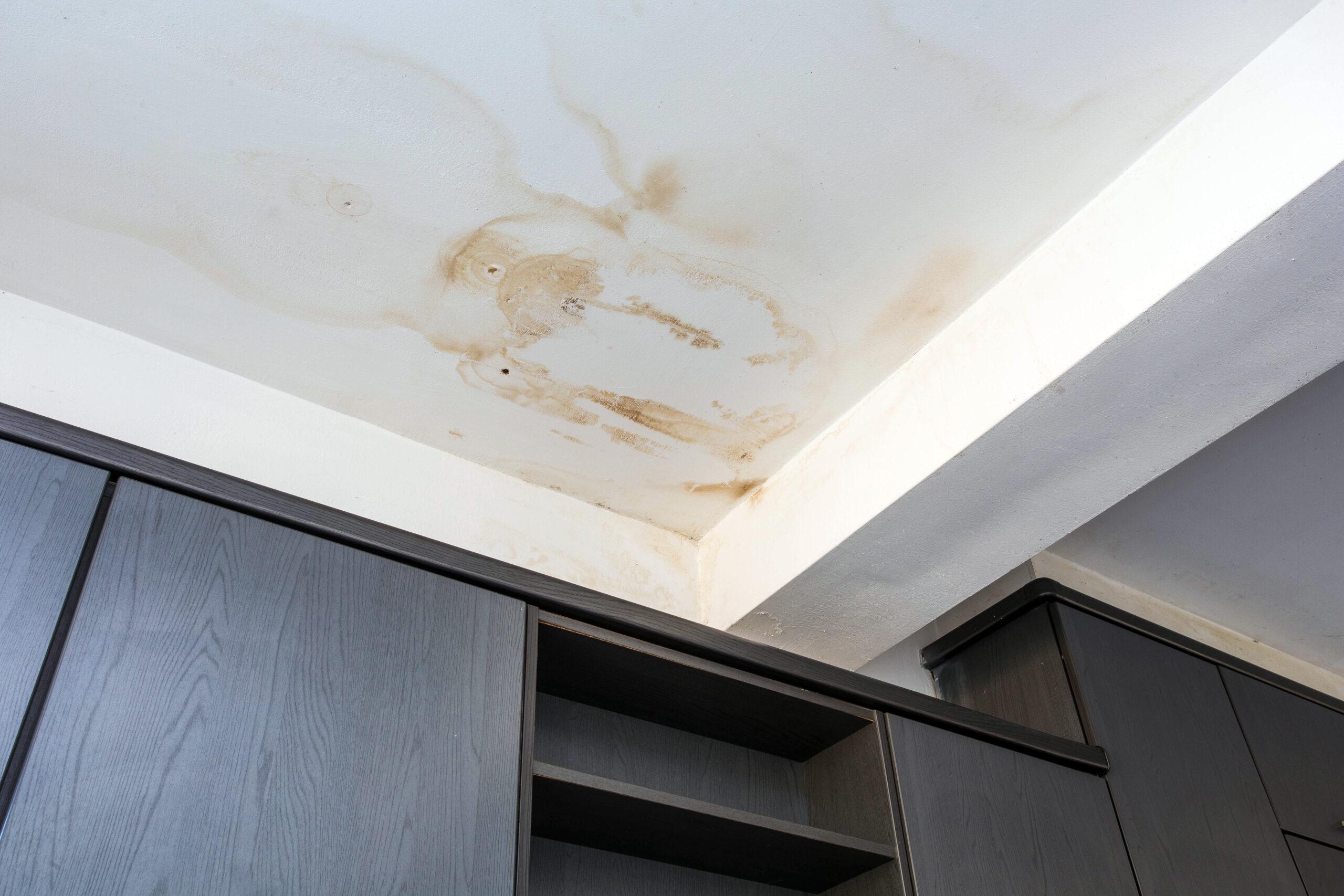
- A leak from the unit above coming through your ceiling.
- Fire sprinkler discharge.
- Pipes that freeze and burst, if reasonable care was taken to keep heat on.
Rain is covered for belongings only in a narrow case. The standard named peril for wind and hail covers rain damage inside only if wind or hail first made an opening in the roof or a wall that the rain came through.
Water damage that isn't covered
- Flooding and surface water from outside the building. Renters can buy contents coverage through FEMA's National Flood Insurance Program, which offers up to $100,000 for belongings.
- Sewer or drain backup, unless you added a water backup endorsement. See sewer backup insurance coverage.
- Groundwater in a basement apartment. See does homeowners insurance cover basement flooding, which explains the same exclusions.
- Mold, except limited coverage when it results from a covered leak. See mold insurance claims.
- Damage from a leak you knew about and ignored.
- The walls, floors, ceilings, cabinets and built-in appliances. Those belong to the landlord.
Who pays for what
Your landlord
The landlord's policy covers the building: drywall, flooring, cabinets and fixtures. It doesn't cover your belongings. Triple-I notes that loss of a tenant's possessions isn't usually covered by the landlord's insurance. The landlord may be liable for your belongings if negligence caused the leak, for example ignoring a reported problem, but that's a legal claim to pursue, not automatic coverage.
You
Your renters policy pays for your belongings and your extra living costs, minus your deductible, regardless of whose pipe failed. Your insurer can then pursue whoever was at fault.
Your neighbor
If water from the unit above damaged your things, your own policy can be the fastest route. If the neighbor was negligent, your insurer may recover from the neighbor's insurer, and you may get your deductible back. See water damage from an upstairs unit.
When your leak damages someone else
If your bathtub overflows and water runs into the apartment below, your liability coverage generally responds if you were negligent. Policygenius gives the example of a broken pipe in your apartment flooding the neighbor's unit below.
Damage to the apartment you rent is trickier. The standard ISO liability wording excludes property damage to property rented to, occupied or used by, or in the care of an insured, except damage caused by fire, smoke or explosion. So if your overflow ruins the landlord's floors in your own unit, your liability coverage may not pay. Read that part of your policy, and ask your agent how your insurer handles it. Your lease may also make you responsible for damage you cause.
Living elsewhere during repairs
If a covered water loss makes the apartment unfit to live in, loss of use pays the increase in your living costs, such as a hotel or short-term rental and extra meal costs, minus what you'd normally spend. Keep receipts. Ask the landlord whether rent is reduced while the unit can't be used. Your lease and state law decide that. Our guide to renters insurance after an apartment fire covers loss of use in more detail.
How to file a renters water damage claim
- Tell the landlord or building manager right away, in writing, so they can stop the leak and start repairs.
- Move belongings out of the water and photograph everything before you clean up.
- Photograph the source if you can see it, such as the ceiling or the failed pipe. See ceiling water damage claims.
- Report the claim to your renters insurer and get a claim number.
- Make a list of damaged items with age, brand and replacement cost. Keep damaged items until the adjuster has seen them or photographs are complete.
- Keep receipts for hotels, meals and laundry if you can't stay in the unit.
Don't undercount your belongings
Water damage to belongings is easy to undercount. Particleboard furniture swells and comes apart weeks later. Mattresses, rugs and upholstery soaked with dirty water may not be salvageable. Electronics that got wet may work for a while and then fail. Go room by room, open drawers and closets, and check items stored on the floor. Ask the adjuster before throwing anything away, and photograph labels, model numbers and serial numbers first. For how belongings and other parts of a payout are calculated, see how much insurance pays for water damage.
Check whether your policy pays replacement cost or actual cash value for belongings. Actual cash value subtracts depreciation, which can cut the payout on older furniture and electronics sharply.
Common questions
Does renters insurance cover water damage from upstairs?
Yes, for your belongings, when the water came from a sudden leak or overflow above. Your insurer may then pursue the upstairs neighbor if they were at fault.
Does renters insurance cover water damage caused by the tenant?
Your own belongings can be covered. Damage to a neighbor's unit may be covered by your liability coverage. Damage to the unit you rent may fall under an exclusion in the liability wording.
Does renters insurance cover water damage from rain?
Only if wind or hail first created an opening in the roof or a wall that let the rain in. Flooding from outside isn't covered.
Is my landlord responsible for my damaged belongings?
Not automatically. The landlord's insurance covers the building. The landlord may be liable if negligence caused the leak.
Need help with a water damage claim?
ClaimWarriors helps renters and owners document water losses and get the full value of their policies. See our water damage claim services or contact us for a free claim review.
This article is general information, not legal advice. Renters policies and leases vary. Last reviewed November 2026.