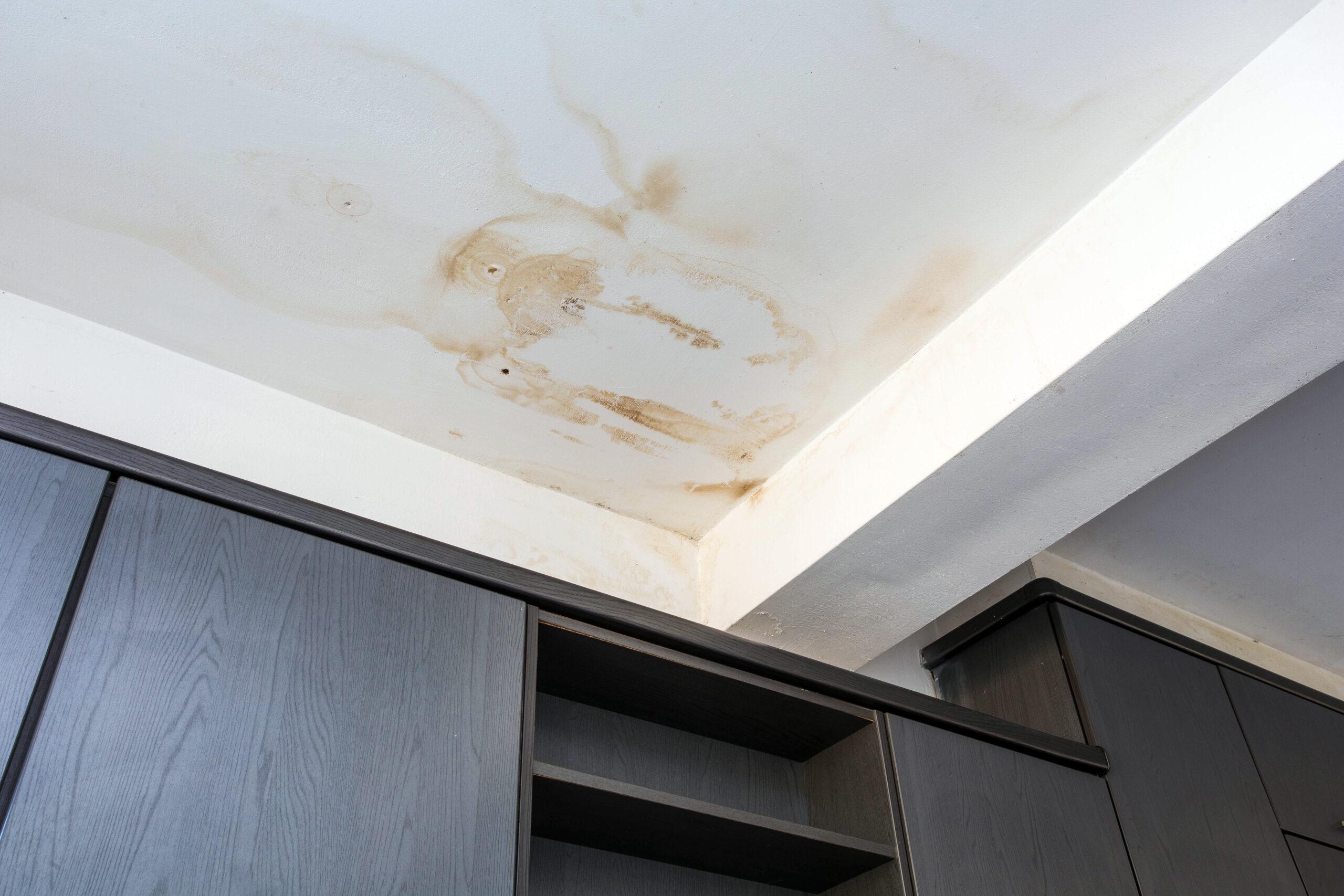
Does Homeowners Insurance Cover Basement Flooding and Leaks?


Does homeowners insurance cover basement flooding? It depends entirely on where the water came from. Water from inside the house, such as a burst pipe, a failed water heater or a washing machine hose, can be covered. Water from outside isn't covered under the standard form: groundwater seeping through the foundation, rain running in through a window well, and river or storm flooding are all excluded. Sewer backups and sump pump overflows are excluded too, unless you added a water backup endorsement. A separate flood policy can cover true flooding, with limited coverage in basements.
That's why two neighbors with wet basements after the same storm can get completely different answers. This guide sorts basement water by source and shows what each one needs to be covered.
Basement water by source
Burst pipe, water heater or appliance
Can be covered. The standard ISO form, HO 00 03, covers loss from an accidental discharge of water from a plumbing, heating or air conditioning system or a household appliance. It also says the flood and groundwater parts of the water exclusion don't apply to that kind of loss. The failed pipe or appliance itself isn't covered. See does homeowners insurance cover plumbing leaks.
Groundwater seeping through walls or floor
Excluded. The standard form excludes water below the surface of the ground, including water that seeps or leaks through a building, foundation, floor or wall. Damp walls after heavy rain and water rising through floor cracks fall here.
Surface water and flooding
Excluded. That includes rain that pools against the house and pours in through a window well or a basement door, and overflowing rivers or storm surge. You need flood insurance for these.
Sewer or drain backup
Excluded unless you have a water backup endorsement. Water that comes up through a floor drain, basement toilet or shower from the sewer counts as backup. If the cause is a broken sewer line, the line itself needs separate coverage. See sewer backup insurance coverage, sewer line replacement insurance and, for the difference between a backup and an overflow, toilet overflow claims.
Sump pump failure
Excluded unless you have a water backup endorsement. The standard form excludes water that overflows or is discharged from a sump, sump pump or related equipment. ISO's backup endorsement covers that overflow even when it results from the pump breaking down mechanically, but not the pump itself. See sump pump failure coverage.
Broken water line outside the house
A break in the underground line between the street and your house can flood a basement. Coverage for the water damage depends on your policy's wording and the facts. Replacing the buried pipe needs a service line endorsement, if your policy has one. See broken water line insurance.
Why the word "flood" causes trouble
People say their basement "flooded" when a pipe bursts. Insurers use flood to mean water from outside. If you describe a burst pipe as a flood on the first call, the adjuster may start looking at the flood exclusion. Describe the source instead: "the supply line to the washer split," or "the water heater tank failed."
The water backup endorsement
This is the add-on to ask about if you have a basement. ISO's Limited Water Back-Up and Sump Discharge or Overflow endorsement covers water that backs up through sewers or drains and overflow from a sump, up to a limit you choose. Limits can run from about $5,000 to $25,000, sometimes with a separate deductible. A finished basement with flooring, drywall, furniture and a furnace can exceed a small limit quickly, so check yours against what's down there.
The endorsement has limits of its own. Under ISO's 2009 and later wording, it doesn't cover water forced into the sump by flooding in the area. That remains flood.
Example: a sewer backup puts three inches of water into a finished basement. Cleanup costs $2,500, the flooring $6,000, the lower drywall and insulation $4,500, and the furniture and stored items $3,000. That's $16,000 of damage. With a $5,000 backup limit, about $11,000 is left uncovered before the deductible is even applied. With a $25,000 limit, the damage is covered minus the deductible. These figures are illustrative, but they show why the limit matters more than the endorsement's name.
Flood insurance in basements
Flood insurance through FEMA's National Flood Insurance Program covers flooding, but its basement coverage is narrow. FEMA explains that the NFIP treats any area with a floor below ground level on all sides as a basement, and covers only listed items there. Building items include furnaces, water heaters, central air conditioners, sump pumps, electrical outlets, foundation elements, stairs, and unpainted drywall and insulation, plus cleanup. Contents coverage, if you bought it, includes washers, dryers and food freezers. Finished flooring, furniture, televisions and keepsakes in a basement are generally not covered. FEMA also notes a typical 30-day waiting period before a new policy takes effect.
What a covered basement claim pays for
When the source is covered, the claim can include:
- Water extraction and drying. See water mitigation in an insurance claim.
- Flooring, subfloor, drywall, insulation, trim and doors.
- The furnace, water heater or other equipment damaged by the water, as long as it isn't the appliance that leaked.
- Belongings stored or used in the basement.
- Living expenses if the house isn't livable during repairs.
Finished basements can hide damage behind walls and under flooring. Make sure the estimate includes removing the lower part of the drywall and insulation where they got wet.
What to do when your basement takes on water
- Stay safe. Don't walk into standing water near outlets or appliances until the power is off.
- Stop the source if you can. Shut the water main or the appliance valve.
- Photograph and video the water level, the source and every damaged item before cleanup.
- Figure out where the water came from. A plumber's written finding is valuable.
- Start drying. The EPA says water-damaged materials should be dried within 24 to 48 hours to prevent mold.
- Check your declarations page for a water backup endorsement and a flood policy.
- Report the claim, describing the source plainly.
If the claim is denied
Basement denials can cite groundwater, surface water, backup or the sump. Ask which exclusion the insurer relies on. Sometimes water arrives from two sources at once, such as a sump that overflows during a storm while groundwater seeps through the walls. The standard form's water exclusion applies regardless of what else contributed, so separate what you can with photos of where the water entered and the plumber's findings. If the water actually came from a pipe or appliance, send the plumber's report and photos of the source. If you have a backup endorsement and the insurer denied under the base policy, ask it to apply the endorsement. See does homeowners insurance cover water damage for the full list of sources.
Common questions
Does homeowners insurance cover a basement flood from heavy rain?
Not under the standard form. Rain that seeps through the foundation or runs in from outside is excluded as groundwater or surface water. You need flood insurance.
Does homeowners insurance cover a sump pump failure?
Only with a water backup endorsement that includes sump overflow. The pump itself isn't covered.
Is a finished basement covered by flood insurance?
Only partly. NFIP policies cover listed items in basements, such as furnaces, water heaters and unpainted drywall, but not finished flooring, furniture or most belongings.
Does homeowners insurance cover water in the basement from a broken pipe?
Yes, for the water damage, subject to the policy's exclusions. The pipe repair is yours.
Need help with a basement water claim?
ClaimWarriors helps prove where basement water came from and which coverage applies. See our water damage claim services or contact us for a free claim review.
This article is general information, not legal advice. Coverage depends on your policy, endorsements and flood coverage. Last reviewed November 2026.