Smoke Damage in HVAC and Ductwork: Getting It Into Your Claim

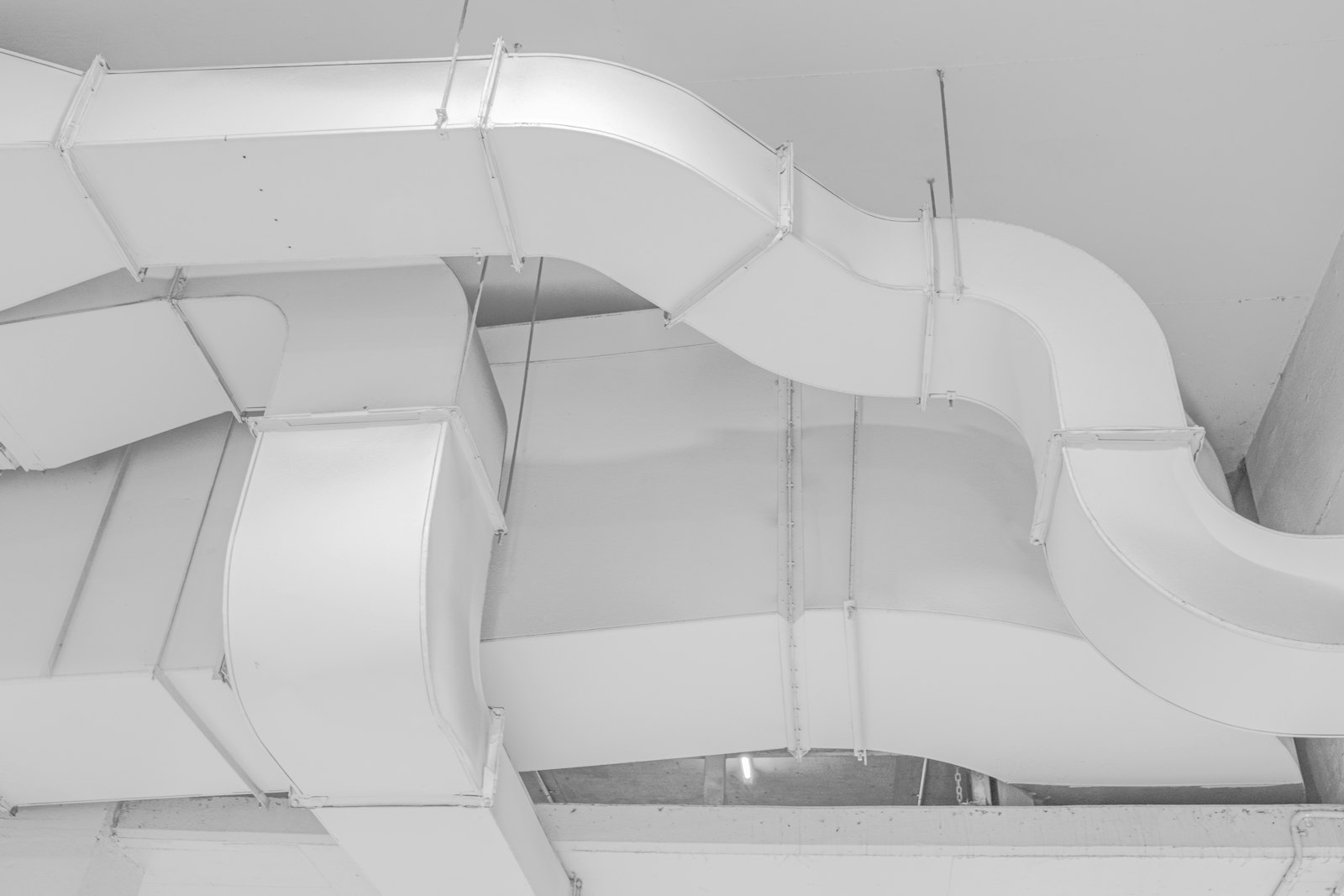
The heating and air conditioning system is one of the most commonly missed parts of a fire claim. If the system was running during the fire, or was turned on afterward, it pulled smoke and soot into the return ducts and pushed it through the supply ducts to every room. Even after the house is cleaned, a contaminated HVAC system can spread odor and residue every time it runs. Smoke damage in HVAC needs to be inspected and addressed in the claim.
How smoke gets into the system
- Return air: the system draws air from the house, including smoke, through return grilles and into the air handler.
- Filters catch some particles but not fine soot or gases.
- The air handler and coil collect residue on fan blades, the evaporator coil and insulation inside the cabinet.
- Supply ducts carry it to every room.
- Flex duct and duct insulation, often found in attics, absorb odor and residue.
Even when the system was off, smoke can enter through open registers and ducts running through the attic or walls near the fire.
Signs your HVAC is affected
- A dark, sooty filter or return grille.
- Soot streaks around supply registers on ceilings and walls.
- Smoke odor that gets stronger when the system turns on.
- Black residue visible inside ducts with a flashlight.
Photograph all of these before anything is cleaned, and change the filter only after photographing it.
Clean or replace?
Cleaning
Rigid metal ductwork can often be cleaned using mechanical brushing and HEPA vacuum systems, with the air handler, blower and coil cleaned as well. The National Air Duct Cleaners Association (NADCA) publishes standards for duct cleaning, and restoration work generally follows the IICRC fire and smoke restoration standard.
Replacement
Replacement is often justified for:
- Flex duct, which has a soft inner liner and insulation that absorb smoke and cannot be thoroughly cleaned.
- Duct board and internally lined ducts, where the fibrous lining traps residue.
- Components exposed to heat or corrosive residues, such as coils showing corrosion.
- Systems in the fire area that were physically damaged.
Getting HVAC into your claim
- Ask the adjuster to inspect the system, including the air handler, the attic duct runs and the return.
- Get an HVAC contractor's written assessment that identifies the duct types, contamination found and recommended work.
- Ask for a line-item scope: duct cleaning by run, air handler cleaning, coil cleaning or replacement, flex duct replacement, filter replacement and post-cleaning verification.
- Consider testing if the insurer disputes contamination. Samples from ducts and the air handler can show soot and char. See smoke damage testing after a fire.
- Sequence the work. The HVAC should be cleaned after the rest of the house, or sealed off during cleaning, so it is not recontaminated.
Code issues
Replacing HVAC equipment or ducts usually requires a permit, and the inspector may require current code items such as duct sealing or insulation levels. Those costs may fall under ordinance or law coverage. See ordinance or law coverage after a fire.
Living in the house while the system is contaminated
If the house cannot be heated or cooled safely until the system is cleaned or replaced, that affects whether it is fit to live in, and so your additional living expenses. See is it safe to live in a house with smoke damage.
When odor returns
If smoke odor comes back after the restoration, the HVAC system is one of the first places to check. See smoke smell after restoration and the smoke damage claims guide.
Ductless and window units
Ductless mini-split systems and window air conditioners have no ducts, but they still pull room air across a coil and fan. Smoke residue collects on both. These units are easy to leave off an estimate because they are not part of a central system. Ask the HVAC contractor to inspect each indoor head and window unit, and list cleaning or replacement for each one.
Furnaces, water heaters and flues near the fire
Equipment close to the fire may have heat damage that does not show from the outside: warped panels, melted wiring, damaged controls or a compromised flue. Gas appliances should be inspected before they are relit. If the furnace or water heater needs replacement, the work usually requires a permit, and current code items may apply. See furnace puffback claims for soot that comes from the furnace itself.
Questions to ask the HVAC contractor
- What types of duct do I have, and which can be cleaned?
- Will you clean the air handler, blower and coil, or only the ducts?
- How many access points will you cut, and how will they be sealed?
- Which industry standard will you follow?
- Will you provide before-and-after photos and a written report?
- How will you confirm the system is clean?
Written answers make the scope easier to defend if the insurer questions it.
What duct cleaning costs
National cost guides put routine duct cleaning at roughly $250 to $500. Cleaning after a fire usually costs more, because it includes the air handler and coil, more access points, containment and verification. Get a written quote with the scope spelled out, so the adjuster compares like with like. See fire damage restoration cost.
Common questions
Should I run my HVAC after a house fire?
No. Keep it off until the system has been inspected. Running it can spread soot and residue to rooms the smoke did not reach on its own.
Does insurance pay for duct cleaning after a fire?
Yes, when smoke or soot from a covered fire got into the system. If ducts cannot be cleaned to pre-loss condition, replacement may be justified. See smoke damage testing.
Why does my house smell like smoke when the heat turns on?
Residue left in ducts, the air handler or the coil is the most common cause. Report it in writing. See smoke smell after restoration.
Should I change the HVAC filter after a fire?
Yes, but photograph the old filter first. A sooty filter is evidence that smoke entered the system. Keep the old filter in a bag until the adjuster has seen it.
Will insurance pay for a new HVAC system after a fire?
It can, when components were damaged by heat or corrosion or cannot be cleaned to a reasonable standard. Get a written assessment from an HVAC contractor that explains why replacement is needed.
Help with HVAC smoke damage
ClaimWarriors makes sure HVAC contamination is inspected, documented and included in the claim. See our fire and smoke claim services, or contact us for a claim review.
This article is general information, not technical or legal advice. Last reviewed November 2026.