How Long Does Fire Smoke Smell Last in a House After Restoration?

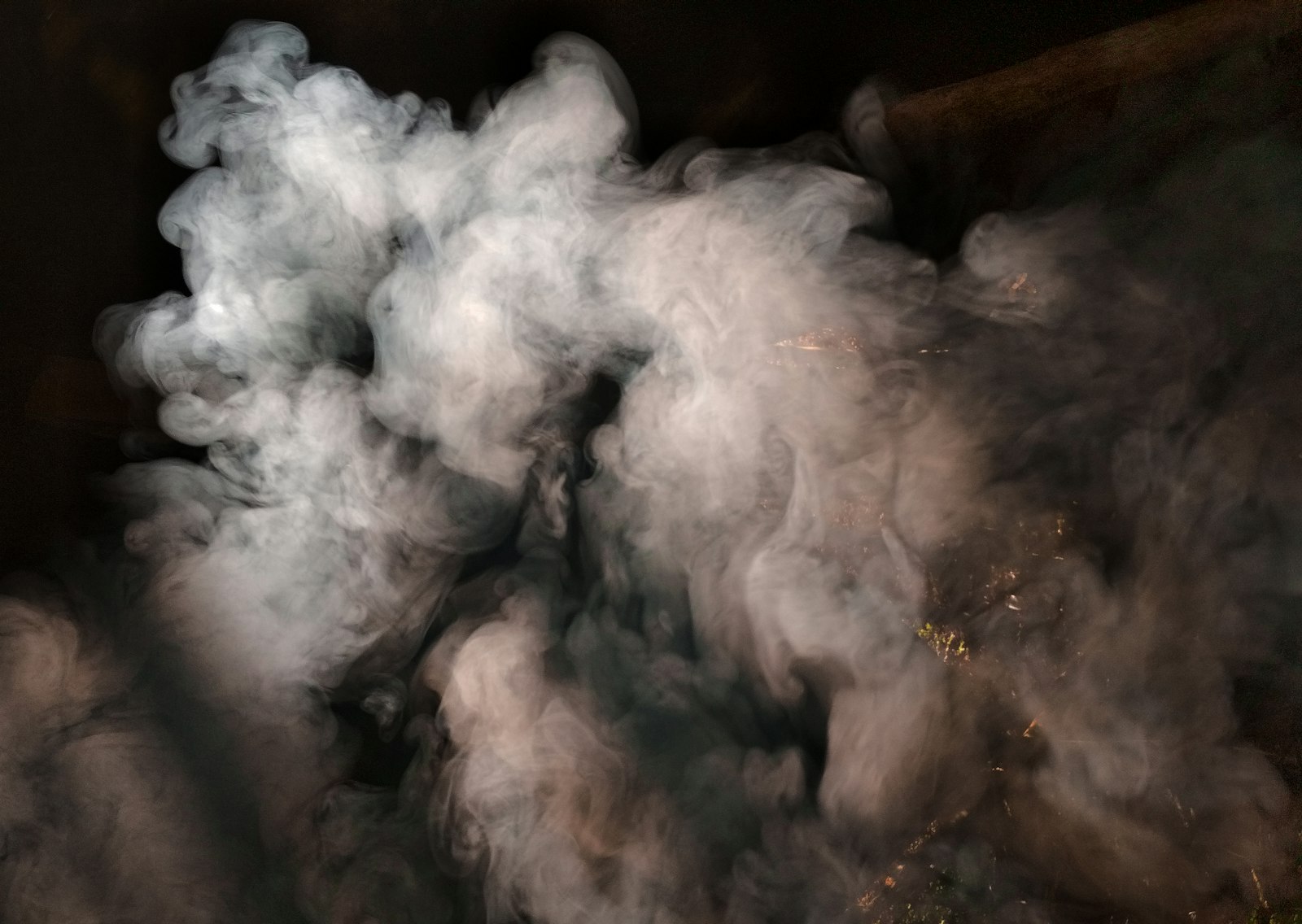
The restoration crew has finished. The walls are painted, the house was fogged, and the adjuster considers that part of the claim closed. Then, on the first warm or humid day, or the first time the furnace runs, the smoke smell is back. This is one of the most common complaints after fire restoration, and it is not in your imagination. It usually means the source of the odor was not fully removed.
How long should smoke smell last after a fire?
After proper restoration, there should be no persistent smoke odor. A faint smell may linger for a short time after deodorization treatments, especially from the treatments themselves. But smoke odor that keeps coming back weeks later, or gets stronger with heat, humidity or the HVAC running, is a sign that contaminated material is still in the home.
Why smoke odor comes back
Smoke residue clings to surfaces and soaks into porous materials. Deodorizing treatments such as thermal fogging, hydroxyl generators or ozone can neutralize odor in the air and on surfaces, but they do not remove a source that is still there. The restoration industry standard (ANSI/IICRC/RIA S700) treats source removal as the key step. Common hidden sources include:
- The HVAC system: ductwork, flex duct, the air handler and the coil. If the system ran during or after the fire, it may be redistributing residue every time it turns on.
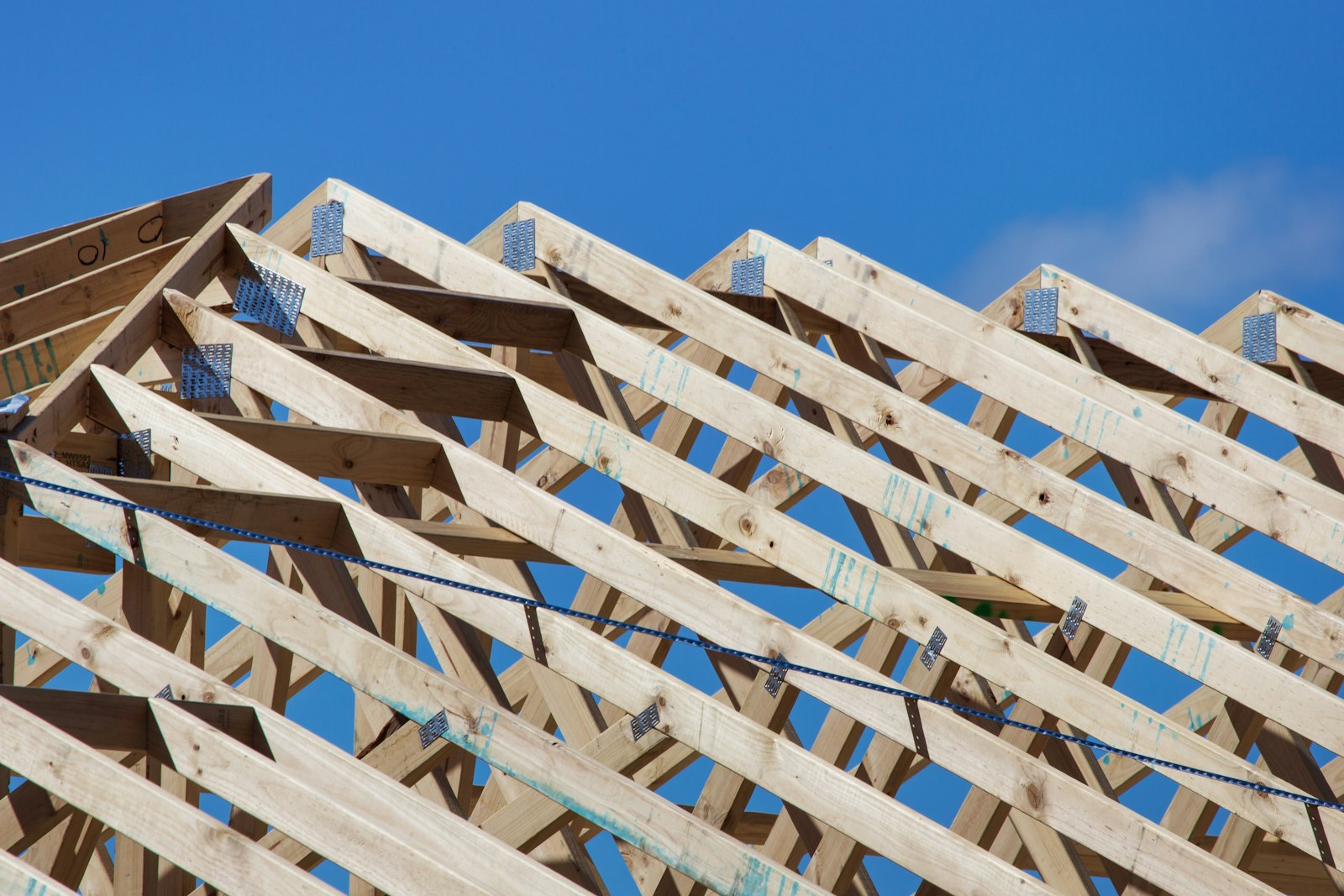
- Attic insulation and the underside of the roof deck.
- Wall cavities, especially near the fire, where smoke traveled through gaps around pipes, wires and outlets.
- Inside cabinets, drawers and closets.
- Subfloors, carpet pad and unfinished wood.
- Contents brought back into the home before they were properly cleaned.
See smoke damage in HVAC and smoke damage on walls.
Painting over smoked surfaces without proper cleaning and an odor-sealing primer can also trap odor that comes back through the paint.
What to do if the smoke smell returns
- Report it in writing right away. Email the adjuster and the restoration company with the date, the rooms affected, and the conditions (heat, humidity, HVAC on). Delay makes it easier to argue the odor came from something else.
- Keep an odor log. Note dates, times, rooms and intensity. Ask other household members and visitors to note what they smell.
- Ask what was done. Request the restoration company's scope, its job notes, and whether the HVAC, attic and wall cavities were cleaned or replaced.
- Ask for testing. An industrial hygienist can sample surfaces, the HVAC and insulation to find residue. Post-cleaning clearance testing is the best evidence that work was incomplete.
- Request re-cleaning or replacement. If testing or inspection finds residue, ask the insurer to pay for additional cleaning, or for replacement of materials that cannot be cleaned.
What smoke testing looks for
An industrial hygienist can collect several kinds of samples: tape lifts and surface wipes from walls and contents, micro-vacuum samples from porous surfaces, bulk samples of insulation, and samples from the HVAC system. A lab then reports the share of char, ash and soot under a microscope, and can test for metals such as lead and arsenic, PAHs and VOCs.
Two points matter for your claim. Test the specific material you want cleaned again or replaced. In one Oregon federal case, homeowners lost a claim to replace insulation because the insulation itself was never sampled. And insurer-hired testing is sometimes limited in scope. Ask what was sampled and where, and fill the gaps with your own testing if needed.
Can you reopen the claim?
Usually, yes, if you are still within the policy and legal deadlines. Many fire claims involve supplements after the first payment. An odor problem that appears after restoration is a continuation of the same loss. Send a written request to reopen or supplement the claim, with your documentation. Keep the lawsuit deadline in mind, which under the standard form is two years from the date of loss unless your state law sets a different period.
See reopening a closed fire claim.
If the restoration contractor did poor work, you may also have a claim against the contractor. Raise it with both the contractor and the insurer, especially if the insurer selected or recommended the contractor.
What re-cleaning can cost
2026 cost guides from Angi and HomeAdvisor put smoke damage restoration at about $200 to $1,200 per room, and duct cleaning at about $250 to $500. HomeAdvisor puts full fire and smoke remediation at about $27,500 on average, with a wide range. These are national figures. Your local prices and how deep the contamination goes decide the real number, so get a written scope and price before you send the supplement. See fire damage restoration cost.
Ozone, hydroxyl and thermal fogging explained
- Thermal fogging heats a deodorant into a fine fog that reaches the same places smoke did. Good for surfaces, not for sources inside materials.
- Hydroxyl generators break down odor molecules and can run while the home is occupied.
- Ozone is a strong oxidizer that requires the home to be unoccupied during treatment and can damage some materials.
All three are finishing steps. None replaces removal of contaminated insulation, cleaning of ductwork, or replacement of saturated materials.
Health concerns
If anyone in the home develops symptoms like headaches, coughing or irritation that improve when they leave, see a doctor and document it. Health effects and medical advice can support a request for testing and, if the home is not safe to occupy, for continued additional living expenses.
Testing can show whether residue remains. See smoke damage testing after a fire.
California's new smoke law for wildfire homes
California's Smoke Damage Recovery Act takes effect on January 1, 2027. It covers homes that survived a wildfire with smoke damage. Smoke, ash and soot in a surviving home in a wildfire impact zone are presumed to come from the wildfire, and the insurer has to rebut that. The insurer pays for necessary testing and sampling. It cannot end living expenses until the home is restored and safe. You choose your restoration contractor. If you are dealing with lingering wildfire smoke odor in California, these rules can change how you push for re-cleaning. See wildfire smoke damage when the house didn't burn.
Common questions
Is it normal to smell smoke after fire restoration?
No. If it keeps coming back, ask the insurer to put in writing which areas the original scope cleaned, sealed or replaced, including the ducts, attic and wall cavities. Anything missing from that list is where to test and where to ask for more work.
Will insurance pay to redo smoke cleaning?
Often yes, if the original scope missed contaminated materials. Report the odor in writing promptly.
Does ozone remove smoke smell for good?
Only if the residue causing the smell has been removed. Ozone and fogging are finishing steps.
Who pays for smoke testing?
Ask the insurer to, when testing is needed to set the scope. From January 1, 2027, California law requires insurers to pay for necessary testing and sampling on wildfire smoke claims.
How much does duct cleaning for smoke odor cost?
Cost guides put it at roughly $250 to $500. Replacing contaminated ductwork costs more.
Get help with lingering smoke odor
Lingering odor usually points to a scope that missed something. ClaimWarriors reviews restoration scopes, coordinates testing and supplements fire claims for policyholders. See our smoke damage claims guide, or contact us for a claim review.
This article is general information about property insurance claims, not legal advice. If you have health symptoms, consult a medical professional. Last reviewed November 2026.