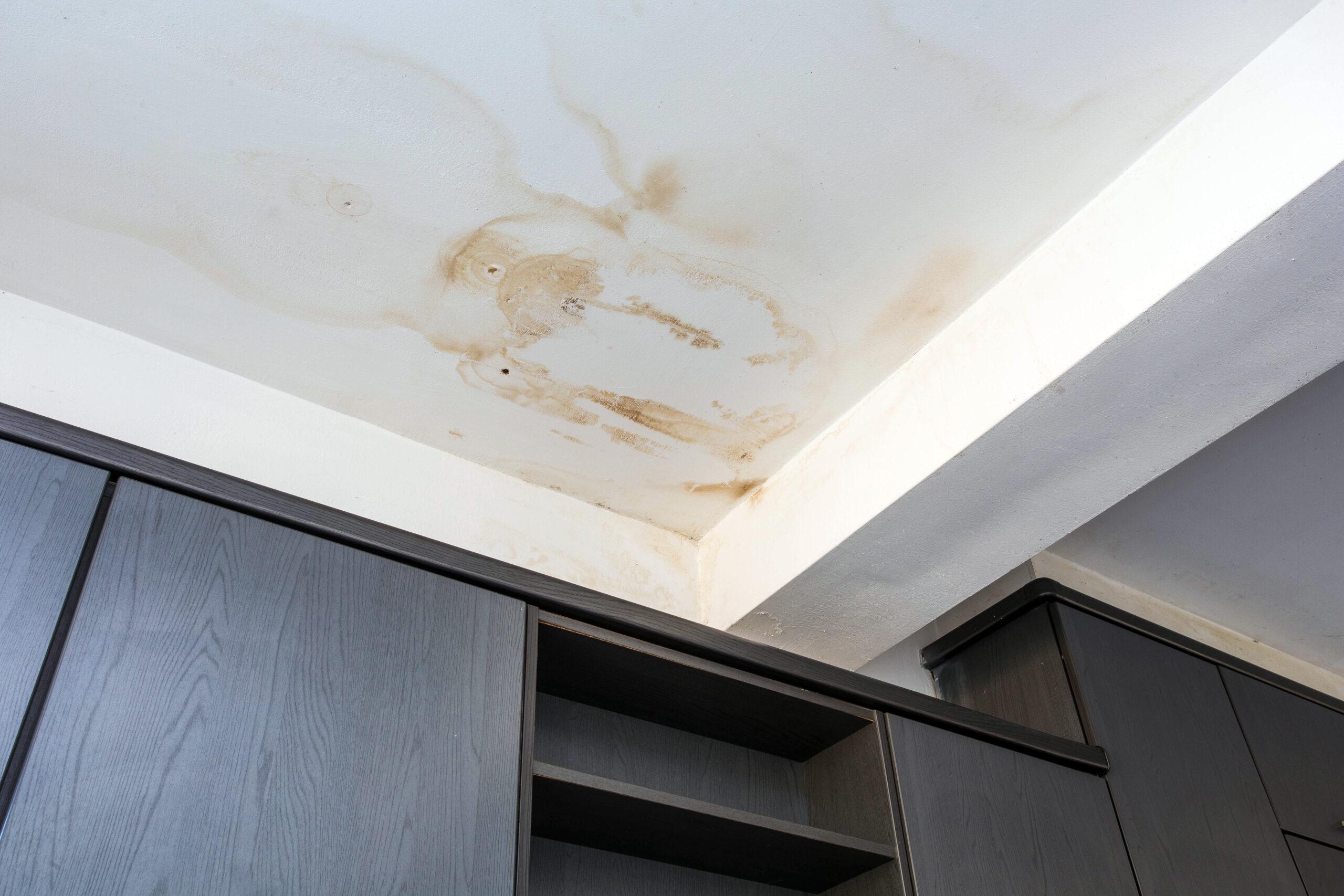
How Long Does a Water Damage Insurance Claim Take?


How long does a water damage insurance claim take? A simple claim, like a burst pipe in one room, can move from the first call to payment in a few weeks. Larger losses with several rooms, belongings and a move to a hotel can take a few months, and disputed claims take longer. J.D. Power's 2026 property claims study, which covers all homeowners claims, found an average of about 41 days from the first report to final payment. State rules also set deadlines the insurer has to meet at each step.
Water claims have their own rhythm because the first days are about drying, not paperwork. This guide walks through the stages, the deadlines, and what you can do to keep the claim moving.
The stages of a water damage claim
Day 1: stop the water and report it
Shut off the source, photograph the damage, and report the claim. Insurers take claims by phone, app or online. Write down the claim number and the adjuster's name when you get them.
Days 1 to 5: emergency drying
A mitigation company extracts water, removes materials that can't be saved, and sets up drying equipment. The EPA says water-damaged areas should be dried within 24 to 48 hours to prevent mold, so this can't wait for the adjuster. Drying can run for several days, with daily moisture readings until materials are dry. Your policy requires you to protect the property from further damage and pays reasonable costs to do so. See water mitigation in an insurance claim.
Week 1 to 3: inspection and estimate
The insurer's adjuster inspects in person or by video, then writes an estimate. Large losses may involve a second inspection or an expert, such as a plumber or engineer, to confirm the cause.
Weeks 2 to 6: coverage decision and first payment
The insurer accepts or denies the claim, or explains why it needs more time. Some insurers pay the actual cash value of the building repair first, holding back depreciation until repairs are done, plus belongings and living expenses as they're documented.
Weeks 4 to 12 or longer: repairs
Your contractor rebuilds. J.D. Power's 2026 study found an average of about 30 days to complete repairs across homeowners claims, but water losses with cabinets, tile and flooring on order can take longer.
After repairs: the final payment
Once repairs are done, you submit proof and the insurer releases the withheld depreciation. Under the standard ISO form, you must tell the insurer within 180 days after the loss that you intend to repair, to keep the right to full replacement cost. See recoverable depreciation.
State deadlines insurers must meet
Every state has claim-handling rules. Examples from states where ClaimWarriors works:
- California requires insurers to acknowledge a claim and begin investigating within 15 days, accept or deny within 40 days of receiving proof of claim or explain in writing why more time is needed, and pay accepted amounts within 30 days, under 10 CCR 2695.7.
- Pennsylvania requires acknowledgment within 10 working days and a decision within 15 working days after the insurer receives properly executed proofs of loss. If the investigation can't be finished within 30 days, the insurer must explain why and update you every 45 days.
- New Jersey requires a first-party property claim to be paid or denied within 30 calendar days of receiving proof of loss, and agreed amounts paid within 10 working days.
- Washington's updated rules, in effect since October 18, 2026, require a decision within 30 calendar days after notice of the claim. They also require the insurer to approve a mitigation scope within 5 business days, which matters on water claims. See WAC 284-30-380.
- Maryland requires insurers to acknowledge claims within 15 working days and to explain in writing every 45 days if the investigation isn't complete.
For more states, see how long an insurance company has to pay a claim.
When the insurer says it needs more time
State rules can let an insurer take longer if it explains why in writing. California, for example, requires written notice stating what additional information the insurer needs and why, followed by updates every 30 days until it decides. Pennsylvania requires an explanation every 45 days. When you get one of these letters, send whatever it asks for promptly and keep a copy with the date you sent it. If the letter asks for nothing specific, reply and ask exactly what is missing.
What slows a water claim down
- A dispute over the cause, such as whether a leak was sudden or long-term.
- Missing documents, such as photos, the plumber's report, drying logs or a contents list.
- The adjuster's caseload, especially after a winter freeze when pipes burst across a region at once.
- Mold found during tear-out, which can add testing and remediation steps. See mold insurance claims.
- A mortgage lender named on the check, which adds an endorsement step for larger payments.
- Disagreement over the estimate.
How to keep it moving
- Report promptly and start drying right away.
- Ask the plumber for a written note on the source and keep the failed part.
- Send the insurer the mitigation company's moisture logs and invoice as soon as they're ready.
- Build the contents list early, with photos, ages and replacement costs.
- Put every request in writing and give a reasonable reply date.
- Ask for an advance on living expenses or contents if you're out of the house.
- If the adjuster goes quiet, follow up in writing and escalate. See insurance adjuster not responding.
Living elsewhere during repairs
If the house isn't fit to live in, additional living expenses cover the increase in your costs for the shortest time reasonably needed to repair the damage. Keep receipts for lodging, meals and mileage, and send them in batches so reimbursement doesn't fall behind. Renters have the same coverage for their own living costs. See does renters insurance cover water damage.
How long the whole thing takes, by size
These ranges are illustrative, based on how the stages above can line up:
- A one-room loss with no belongings and no dispute might reach payment in two to four weeks, plus repair time.
- A loss involving several rooms and belongings, with no dispute, might take one to three months.
- A large loss with a move-out, or a dispute over cause or scope, can take three months or more.
For how the money is calculated at each stage, see how much insurance pays for water damage. For claims of every type, see how long a homeowners insurance claim takes.
Common questions
How long does it take to get a check for water damage?
The first payment can come a few weeks after the inspection. The final payment, including withheld depreciation, comes after repairs are complete.
How long does water damage drying take?
It can take several days, depending on the materials and how wet they are. The drying company should take daily moisture readings until materials reach dry standard.
Can I start repairs before the adjuster comes?
Start drying and emergency work immediately. Hold off on permanent repairs until the adjuster has seen the damage or agreed in writing, and photograph everything first.
What if my water claim is taking too long?
Ask the insurer in writing what it still needs and when it will decide. If deadlines pass without explanation, a complaint to your state insurance department can get the file reviewed.
Is your water claim stuck?
ClaimWarriors keeps water claims moving and makes sure nothing is left off the estimate. See our water damage claim services or contact us for a free claim review.
This article is general information, not legal advice. State rules and policies vary. Last reviewed November 2026.