Does Homeowners Insurance Cover Plumbing Leaks and Repairs?

Does homeowners insurance cover plumbing leaks? Yes for the damage the water causes, when the leak is accidental and not excluded as wear and tear or long-term seepage. The standard policy also pays to open walls, floors or ceilings to reach the leaking pipe. It does not pay to repair or replace the pipe, fitting or fixture that failed. That split between the plumbing and the damage it caused decides plumbing claims.
This guide walks through what the standard ISO homeowners form says about plumbing, which leaks get paid, which get denied, and how to build the claim so the insurer can't treat the whole thing as a repair bill.
What the standard policy says about plumbing
The ISO HO-3 form is a standard homeowners form that insurers use as a model. The HO 00 03 form covers the house on an open-perils basis, so damage is covered unless an exclusion applies. Three parts of the form matter for plumbing.
First, it excludes wear and tear, deterioration, rust, corrosion, mechanical breakdown and latent defects. Second, right after that list, it adds an exception: unless the loss is otherwise excluded, it covers loss resulting from an accidental discharge or overflow of water or steam from within a plumbing, heating, air conditioning or fire sprinkler system or a household appliance. Third, it says that coverage includes the cost to tear out and replace any part of the building, but only when necessary to repair the system. It also says the insurer does not cover loss to the system or appliance the water escaped from.
In plain terms: the corroded pipe is your repair. The soaked drywall, swollen cabinets, ruined flooring and the wall the plumber had to open are the insurer's.
What a plumbing leak claim can pay for
- Water extraction and drying, which the policy expects you to arrange quickly. See water mitigation in an insurance claim.
- Opening walls, floors or ceilings to reach the leak, and rebuilding them afterward.
- Damaged drywall, insulation, flooring, cabinets, trim and paint.
- Damaged belongings such as furniture, rugs, clothing and electronics.
- Additional living expenses if the house can't be lived in during repairs.
- Code upgrades required during the rebuild, up to the ordinance or law limit, which is 10% of the dwelling limit in the standard form.
What it does not pay for
- The pipe, valve, fitting, supply line or fixture that failed.
- The plumber's labor to fix the pipe itself, as opposed to opening and closing the building.
- Replacing old plumbing throughout the house as a precaution.
- Damage from a leak the insurer can show went on for a long time, if your policy has a repeated seepage exclusion.
- Mold, beyond the narrow exception for hidden mold from a covered leak and any mold limit in your policy.
Sudden leaks vs slow leaks
You may have heard that water damage must be "sudden and accidental." The base ISO form uses a different test for the house: an accidental discharge, then a list of exclusions. Insurance Journal noted in 2022 that ISO's HO 00 03 form has had no repeated seepage or leakage exclusion for about 30 years.
Some insurers add one anyway, in their own forms or by endorsement. Some exclude seepage over "weeks, months or years." Some set a number, like 14 days or more. Some name specific fixtures, such as shower stalls and tub installations. Your exact wording decides how a slow leak is treated, so read it before you argue about it.
Courts don't always read these clauses the insurer's way. A Florida appeals court held in Hicks v. American Integrity (2018) that a "14 or more days" exclusion did not clearly exclude damage from the first 13 days. Our guide to slow leak claims denied for repeated seepage covers the arguments in detail.
Common plumbing leaks and how they're treated
Burst supply line or fitting
A braided supply line to a sink or toilet splits, or a compression fitting lets go. This is the classic covered loss. The line itself is cheap and excluded. The damage is covered.
Pinhole leak in a copper pipe
Corrosion causes the pinhole, and corrosion is excluded. But the water that escaped is an accidental discharge, so the resulting damage can be covered. Disputes can turn on how long it leaked before anyone saw it.
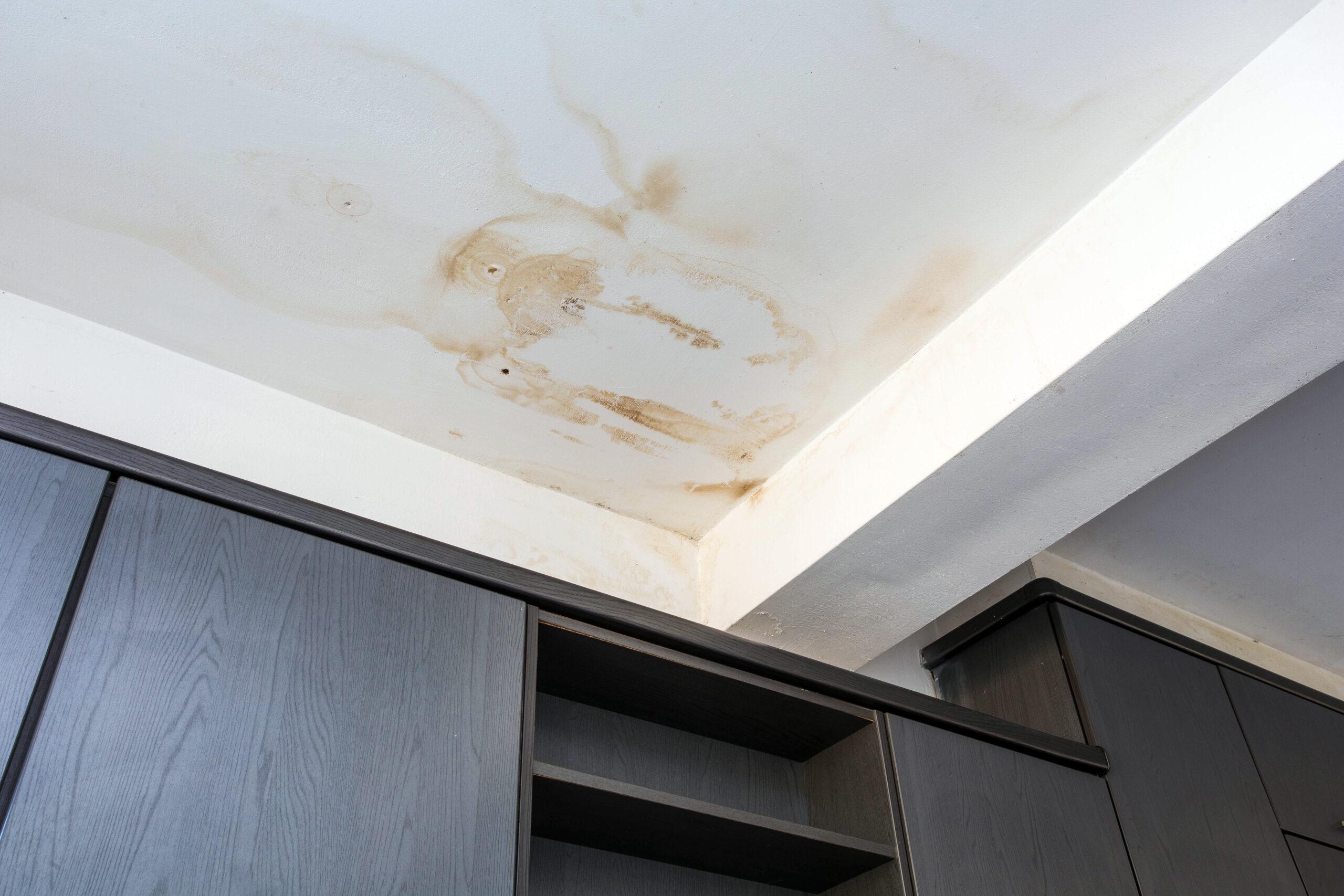
Leak behind a wall or above a ceiling
Hidden leaks may be found weeks later, as a stain or a soft spot. Insurers look for signs of long-term leaking: rot, mold, layered staining. Photos and a plumber's report on how the part failed carry weight. See ceiling water damage claims.
Shower pan, tub or grout leak
These claims can be disputed, because water can escape slowly through worn grout, caulk or a failed pan. See our guide to shower leak insurance claims.
Under the slab
A leak in a pipe under the foundation raises the same rules, plus the cost of breaking concrete or tunneling. See slab leak insurance claims.
Drain and sewer pipes
A cracked drain pipe inside the house that leaks into a wall or ceiling is treated like any other plumbing leak. Water that backs up through a drain from the sewer is different. The standard form excludes backup, and you need a water backup endorsement for it.
Pipes in the yard
The underground pipe from the street or the meter to your house may be your property, and the standard policy doesn't pay to dig it up or replace it. A service line endorsement can. See broken water line insurance.
Tear-out: a part to check closely
The standard form pays to tear out and replace parts of the building when necessary to repair the leaking system. In practice, insurers sometimes pay for a small access hole and nothing else. Look at what the repair actually required. A plumber may need to open a full wall cavity, remove a vanity, pull up tile or cut into a ceiling below. The rebuild then has to match, which can mean repainting a whole room or replacing flooring that runs through several rooms.
Ask your plumber to document the access they needed, with photos before the wall is closed. That record is the best answer to an estimate that pays for one small patch.
How to file a plumbing leak claim
- Shut off the water at the fixture or the main valve.
- Photograph and video the leak, the wet areas and any visible damage before cleanup.
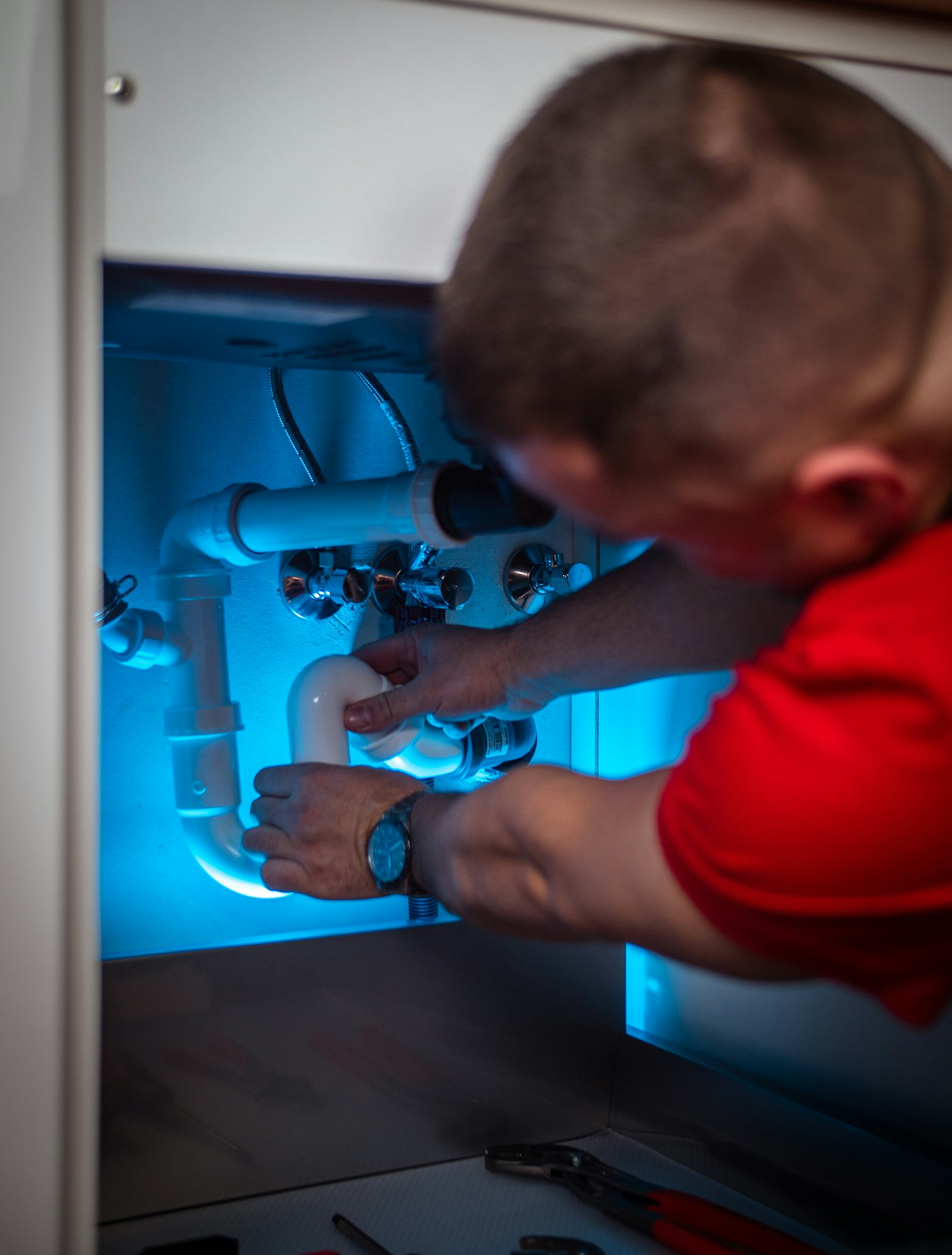
- Call a plumber. Ask them to keep the failed part and write down what failed and how.
- Start drying right away. The EPA says water-damaged areas should be dried within 24 to 48 hours to prevent mold. Keep every invoice.
- Report the claim and describe it as a leak from a specific pipe or fixture. Avoid guesses about how long it leaked.
- Get a contractor's estimate for the full repair, including tear-out and matching, and compare it with the insurer's.
For how long each stage can take, see how long a water damage insurance claim takes. For a sense of what these claims are worth, see how much insurance pays for water damage. Triple-I reports that water damage and freezing claims averaged about $17,240 from 2020 to 2024.
Endorsements that change plumbing coverage
Check your declarations page for three things. A water backup endorsement covers water that backs up through drains, up to its limit. A service line endorsement covers buried pipes outside the house. ISO's version has a basic limit of $10,000. A mold or fungi endorsement sets the mold limit. Some insurers also sell equipment or home systems coverage that can pay for certain failed systems, which the base policy excludes.
Common questions
Does homeowners insurance cover a leaking pipe under the sink?
The damage from a sudden failure can be covered. The pipe or supply line itself is not. A slow drip that rotted the cabinet floor over months can be denied.
Does homeowners insurance pay for the plumber?
It pays the part of the work needed to open and rebuild the building to reach the leak. The cost of repairing the pipe itself is yours under the standard form.
Will insurance replace old plumbing like polybutylene or galvanized pipe?
Not as a precaution. Policies pay for damage from a covered leak, not for upgrading pipes that haven't failed.
What if the insurer says the leak was long-term?
Ask which policy wording it relies on, and answer with evidence of when and how the part failed. A plumber's written report is the strongest proof.
Need help with a plumbing leak claim?
ClaimWarriors documents hidden water damage and the full tear-out a repair needs. See how we handle water damage insurance claims or contact us for a free claim review.
This article is general information, not legal advice. Coverage depends on your policy wording and endorsements. Last reviewed November 2026.