Frozen Pipes Insurance Claim: Coverage, the Heat Condition and Vacant Homes

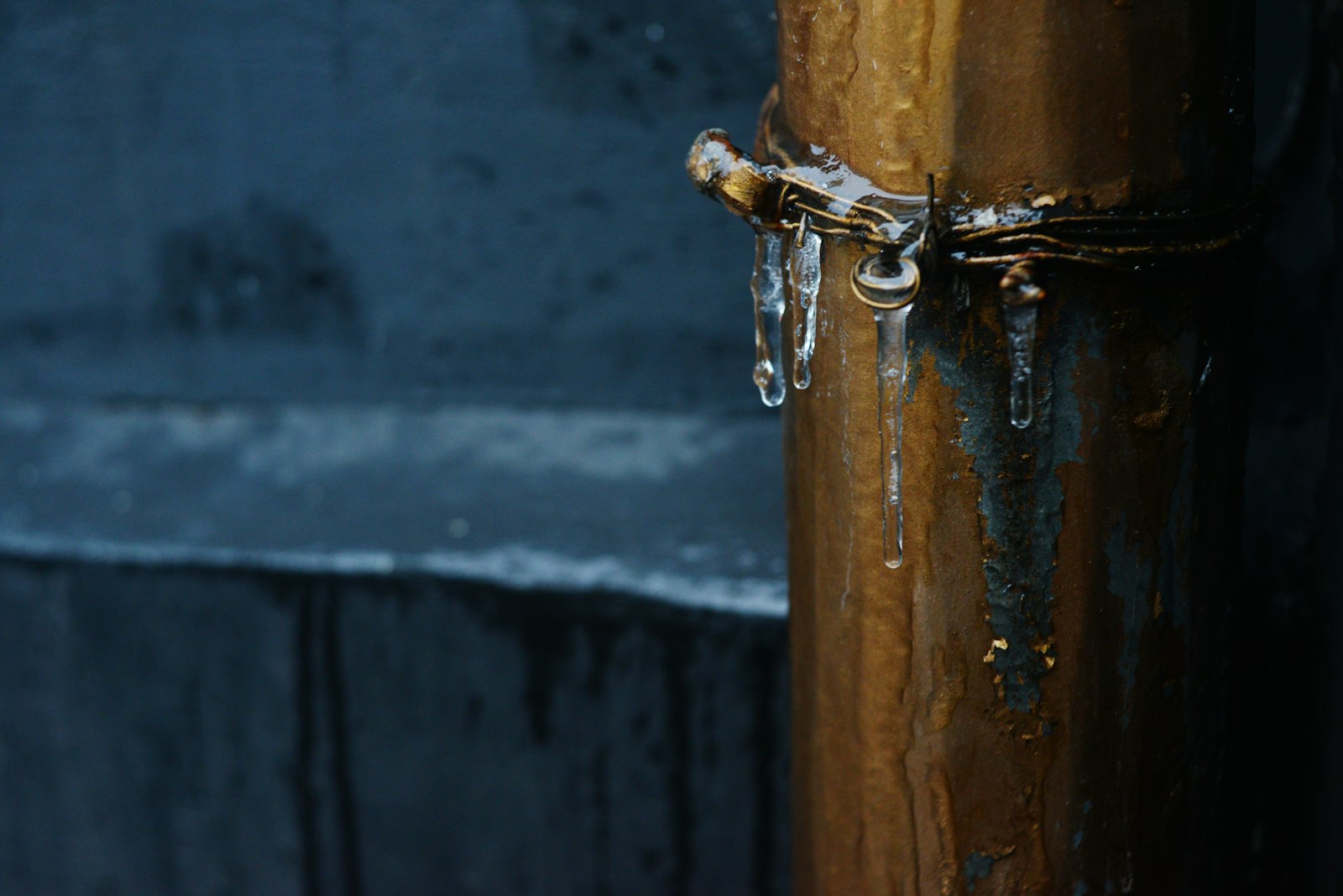
A pipe that freezes and splits can release hundreds of gallons before anyone notices, especially when it happens in a house that is empty for the weekend or the winter. A frozen pipes insurance claim is usually covered, but the standard policy attaches a condition that trips up second-home owners, landlords between tenants, and anyone whose furnace quit while they were away.
The coverage
The standard homeowners form (ISO HO-3) covers the house on an open perils basis, and freezing of plumbing is covered unless an exclusion applies. For your belongings, the form lists freezing of a plumbing, heating, air conditioning or fire sprinkler system, or of a household appliance, as a named peril. So burst pipe water damage to the building, the flooring, the drywall and the contents is covered in a home that is lived in and heated.
The policy does not pay to repair the pipe itself. It does pay the cost to tear out and replace parts of the building to reach the pipe. See slab leak claims for how tear-out works.
The condition that matters: vacant, unoccupied or under construction
The freezing exclusion applies while the dwelling is vacant, unoccupied or being constructed. In that situation, freeze damage is excluded unless you used reasonable care to either maintain heat in the building, or shut off the water supply and drain the systems and appliances. The 2011 form adds that if the building has a fire sprinkler system, you have to keep the water on for it and maintain heat.
Three words carry the weight:
- Unoccupied usually means nobody is living there, even if the furniture is. A vacation cabin in January and a house whose owners are away for a month are unoccupied.
- Vacant usually means no people and no contents. A rental between tenants is often vacant.
- Reasonable care is not defined with a temperature. Leaving the thermostat at a normal setting and having the heat fail without warning is usually reasonable. Turning the heat off to save money and not draining the pipes is not.
What adjusters ask
Expect questions about where you were, how long the house was empty, what the thermostat was set to, when the furnace was last serviced, who checked the house and when, and whether the water was shut off. Answer accurately. If you had a smart thermostat, its history shows the temperature over time and is strong evidence either way. Utility bills showing normal gas or electric use through the cold spell help too.
When the furnace fails
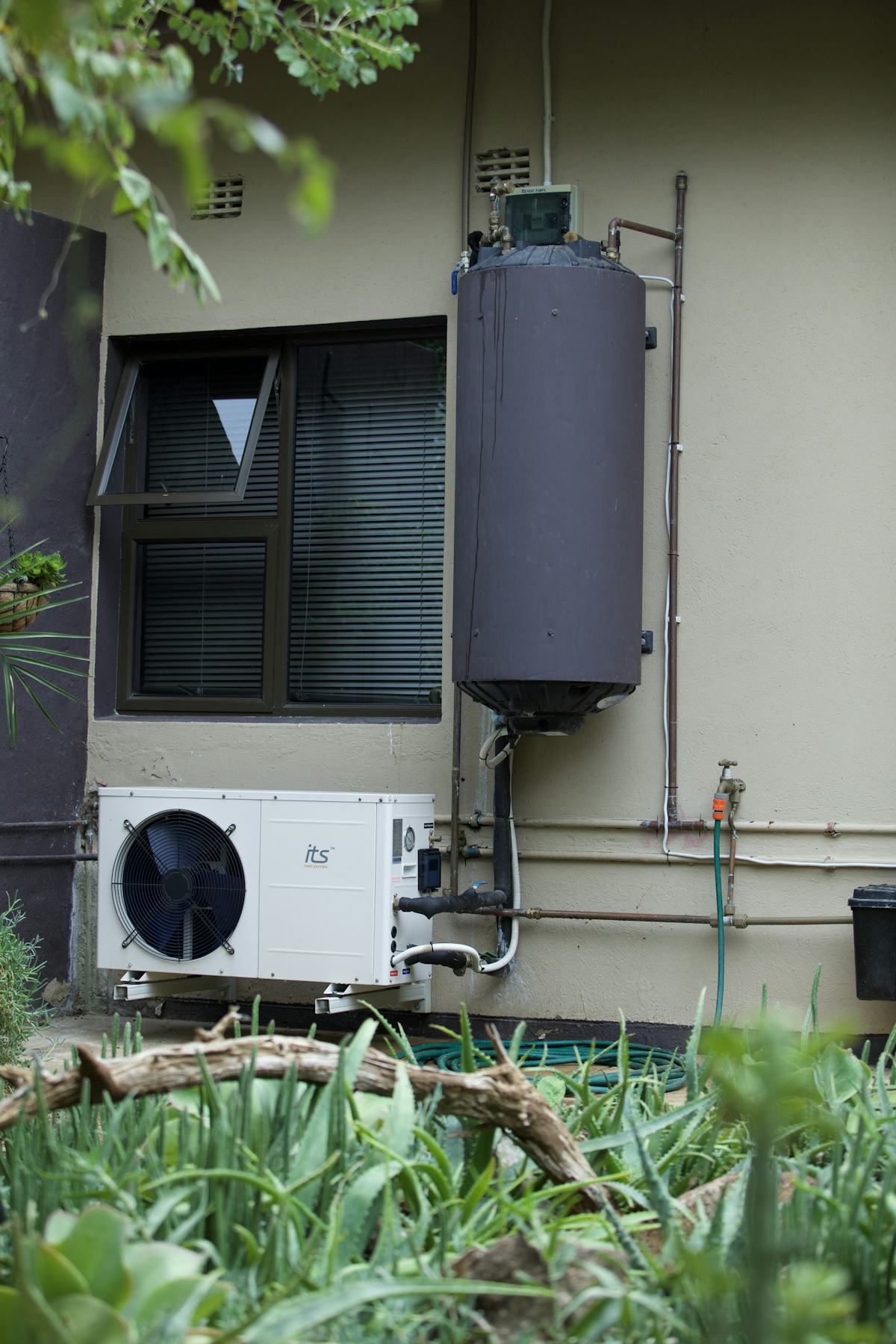
The common fact pattern is a furnace that stops while the owners are away, the house cools over several days, and pipes freeze. Under the standard form the freeze damage is covered when the home was occupied, and in an unoccupied home the question is whether you used reasonable care to maintain heat. A furnace that was working and set to heat usually meets that. The furnace repair itself is excluded as mechanical breakdown. If the furnace was already known to be failing, expect a harder conversation.
Steps after a freeze break
- Shut off the main water supply and open faucets to relieve pressure. Turn off power to wet areas if safe.
- Photograph the break, the thermostat setting, the furnace, and every wet room before anything is removed.
- Keep the split pipe section when the plumber replaces it.
- Get drying started. The policy requires you to protect the property from further damage and pays reasonable costs of doing so. Keep every receipt.
- Report the claim. Insurers in many states have to acknowledge it within 10 to 15 days and complete their investigation within about 30 days unless they explain the delay in writing.
- Write down a timeline: when you left, when the cold hit, when the damage was found, and who found it.
Example: a pipe splits while the family is away
Illustrative numbers: a family leaves a heated home for a week. A copper line in an exterior wall behind the kitchen sink splits during a cold snap and runs for three days. Drying and demolition cost $4,100. Replacing hardwood in the kitchen and dining room, drywall, insulation, cabinets and paint is estimated at $26,500. Damaged furniture and a rug add $3,000. The plumber's $650 repair is on the family; the insurer owes about $33,600 less the deductible. If the same break happened in a house left unheated for the winter with the water on, the insurer would likely deny the whole claim under the freezing condition.
Frozen pipes in rentals and second homes
Landlords should read the freezing condition in their dwelling policy, which often has similar or stricter wording, and keep heat on between tenants or drain the system. Second-home owners who close up for the season should shut off and drain, and keep proof of when they did. A caretaker's written check-in log is useful evidence.
Outdoor and unheated spaces
Hose bibs, irrigation lines, pipes in garages and crawl spaces freeze first. The same coverage rules apply inside the house. Pipes feeding an outdoor kitchen or a detached structure fall under other structures coverage, with its own limit. A sump pump discharge line that froze and sent water back into the basement is a sump overflow, which the base policy excludes; see sump pump failure coverage.
Ice dams are a different claim
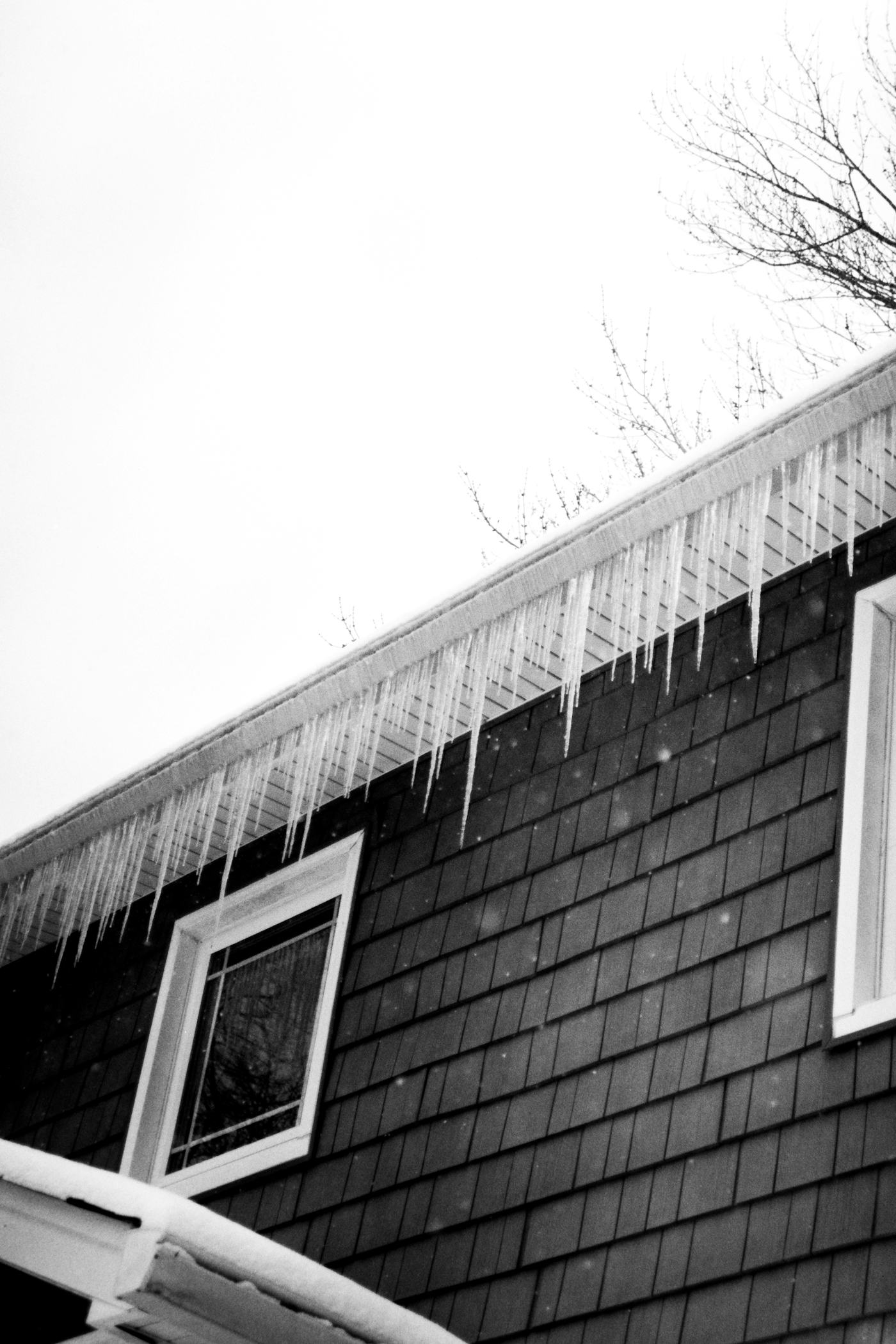
Water coming through the ceiling in winter is not always a pipe. Melt water backing up under shingles behind a ridge of ice at the eave produces similar stains and is handled under different policy language. See ice dam insurance claims.
Water heaters in the cold
Tanks in garages and unheated utility rooms are exposed too. See water heater leak claims.
Common questions
Are frozen pipes covered by homeowners insurance?
Yes, in a home that is occupied and heated. In a vacant or unoccupied home, coverage depends on whether you used reasonable care to maintain heat or shut off and drain the water.
Does the policy say what temperature to keep the heat at?
The standard form does not name a number; it says reasonable care to maintain heat. Insurers often suggest 55 degrees or more, and some policies do set a temperature. Read yours.
Will insurance pay the plumber to fix the pipe?
Usually not. It pays the water damage and the cost to open walls or floors to reach the pipe, not the pipe repair.
My furnace died while I was away. Am I covered?
Often yes, if the heat was on and set normally. The furnace repair is excluded, the water damage usually is not. Keep the service record and thermostat history.
Is a frozen pipe in an unheated vacation home covered?
Only if you shut off the water and drained the system before leaving, or maintained heat. Otherwise the freezing exclusion applies.
Help with a freeze claim
ClaimWarriors documents burst pipe losses and answers vacancy and maintenance denials. The fee is free unless we win. Learn how we handle water damage claims. Contact us for a claim review.
Examples are illustrative. This article is general information, not legal advice. Policy wording varies; your policy controls. Last reviewed November 2026.