Sump Pump Failure Insurance Coverage: What Pays When the Pump Stops

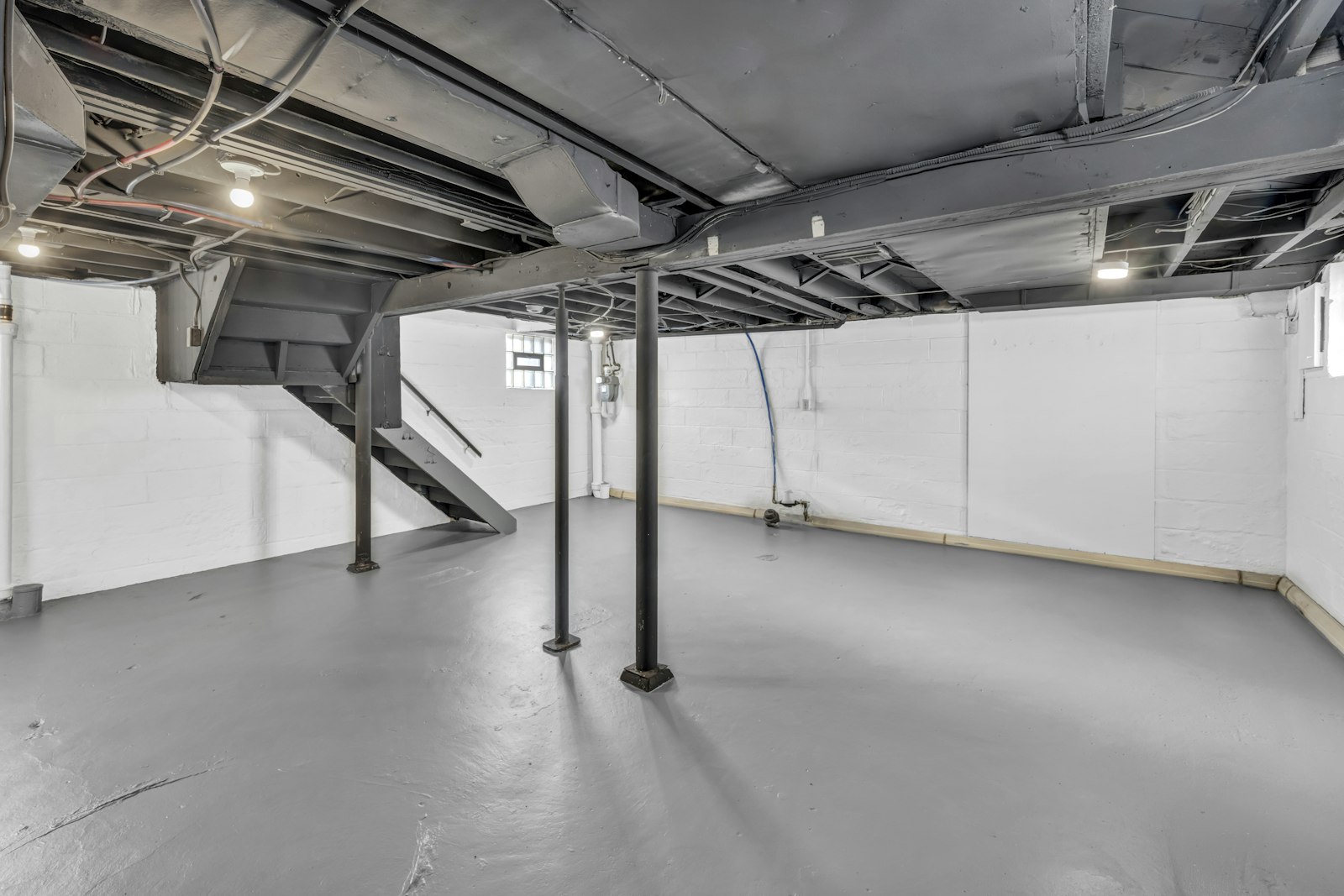
A sump pump works until the night it matters. The power goes out in a storm, the float sticks, or the pump simply wears out, and by morning there is water across the basement floor. Whether sump pump failure insurance coverage pays for that depends almost entirely on one line of your declarations page.
The standard policy excludes it
The standard homeowners form (ISO HO-3) excludes water that overflows or is otherwise discharged from a sump, sump pump or related equipment. It also excludes water that backs up through sewers or drains, and groundwater that seeps through the foundation or floor. These exclusions apply regardless of the cause. A pump that failed because of a power outage, a mechanical fault or a float switch is still a sump overflow, and the base policy does not pay.
The sump pump itself is not covered either. The form excludes mechanical breakdown and wear and tear, and the freezing peril for contents specifically leaves out sump pumps and related equipment.
The endorsement that covers it
The fix is the Water Back-Up and Sump Discharge or Overflow endorsement (ISO HO 04 95, or an insurer's own version). It pays, up to a limit you choose, for damage from water that overflows or is discharged from a sump, sump pump or related equipment, and the standard wording says this applies even if the overflow results from mechanical breakdown of the pump. It also covers backups through sewers and drains. It does not pay to repair or replace the pump.
Common limits are $5,000, $10,000 and $25,000, often with a separate deductible. ISO introduced a broader version (HO 06 95) in 2022 with higher limits. See sewer backup insurance coverage for how the endorsement works in detail.
The flood problem
The endorsement has a limit of its own kind. Newer editions cover water that originated inside the dwelling's systems. If the area floods and surface water pours into the sump pit faster than any pump could move it, insurers treat that as flood, which only a flood policy covers. The line between "the pump failed during heavy rain" and "the area flooded" is where many sump claims are argued.
What helps: weather records for your address, photos showing dry ground outside while the basement is wet, evidence the pump stopped (a tripped breaker, a burned-out motor, a stuck float), and neighbors who did not flood. If the street was under water, expect the flood exclusion to be raised.
Groundwater seepage is a third category
If water came in through foundation cracks or the cove joint rather than up through the sump pit, that is groundwater seepage, excluded by the base policy and not covered by most backup endorsements either. Basement waterproofing companies sometimes describe every wet basement as a sump failure. The adjuster will look at where the water entered.
What to do after the basement floods
- Turn off electricity to the basement before stepping in standing water, if you can do it safely from above.
- Photograph the water level, the sump pit, the pump, the breaker panel and every wet room before pumping out.
- Find out why the pump stopped. A dead motor, a stuck float, a frozen discharge line and an outage are each different stories, and the insurer will ask.
- Keep the failed pump until the adjuster has seen it.
- Call a mitigation company. Carpet pad, drywall and insulation that stay wet grow mold within days, and the policy expects you to protect the property from further damage. See mold insurance claims.
- Report the claim and name the coverage: water back-up and sump overflow.
- List contents with photos. Stored boxes on the floor are usually the first loss.
Example: a pump burns out in a storm
Illustrative numbers: a pump burns out during a two-day rain. Three inches of clear groundwater cover a partly finished basement. Extraction and drying cost $2,900. Carpet, pad, and the lower drywall in the finished half are $7,200 to replace. Stored holiday decorations, a sofa and a freezer come to $3,100. The total is $13,200. The endorsement has a $10,000 limit and a $500 deductible. The deductible comes off the $13,200 loss, which leaves $12,700, so the insurer pays the full $10,000 limit. If the insurer offers $9,500 by taking the deductible off the limit, ask it to show the policy wording that allows that. A new pump with a battery backup, about $900, is on the homeowner.
Frozen discharge lines
In cold states a common winter failure is a discharge line that freezes outside, so the pump runs but the water comes back into the pit and the basement. The water damage is a sump overflow under the endorsement. The frozen pipe and the burned-out pump are not covered. See frozen pipe claims for how freezing is treated elsewhere in the policy.
Snowmelt and ice
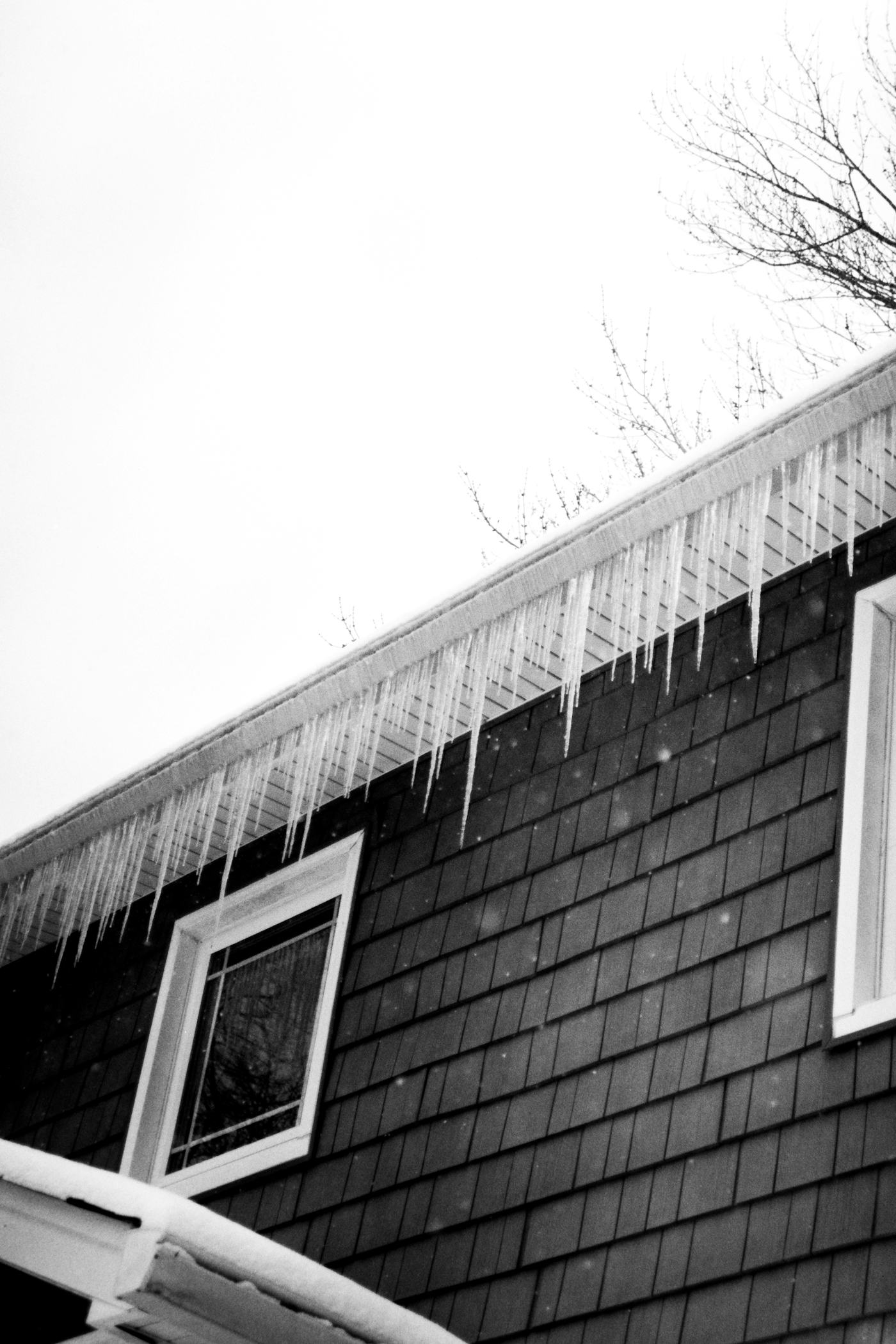
Spring melt overwhelms pumps in the upper Midwest and Northeast. The same flood question applies: if melt water came through the walls and over the sills, it is surface water. If the pump stopped and the pit overflowed, it is sump overflow. Roof ice problems in the same storm are a separate claim; see ice dam insurance claims.
If the claim is denied
Get the denial in writing with the exact policy language. The three common grounds are no endorsement, flood or surface water, and groundwater seepage. If the denial says flood but your evidence shows the pump failed with no surface flooding, answer with that evidence and ask the insurer to reconsider in writing. See working with the adjuster for how to keep the exchange in writing.
Common questions
Does homeowners insurance cover sump pump failure?
Not the standard policy. A water back-up and sump overflow endorsement covers the water damage up to its limit, including when the pump broke down.
Is the sump pump itself covered?
No. Mechanical breakdown and wear are excluded, and the endorsement pays for water damage, not the pump.
What if the power went out?
An outage that stops the pump is still a sump overflow. The endorsement covers it, as long as the water was not surface flooding.
How is this different from flood insurance?
Flood insurance covers water from outside that covers normally dry land. The endorsement covers water from inside the home's systems, including the sump. A flooded area that fills the sump pit is flood.
How much coverage do I need?
Enough to dry out and rebuild your basement finish and replace what is stored there. Finished basements often need more than $10,000.
Help with a basement water claim
ClaimWarriors documents basement losses and answers flood and seepage denials. The fee is free unless we win. Learn how we handle water damage claims. Contact us for a claim review.
Examples are illustrative. This article is general information, not legal advice. Policy wording varies; your policy controls. Last reviewed November 2026.