Does Landlord Insurance Cover Tenant Vandalism?


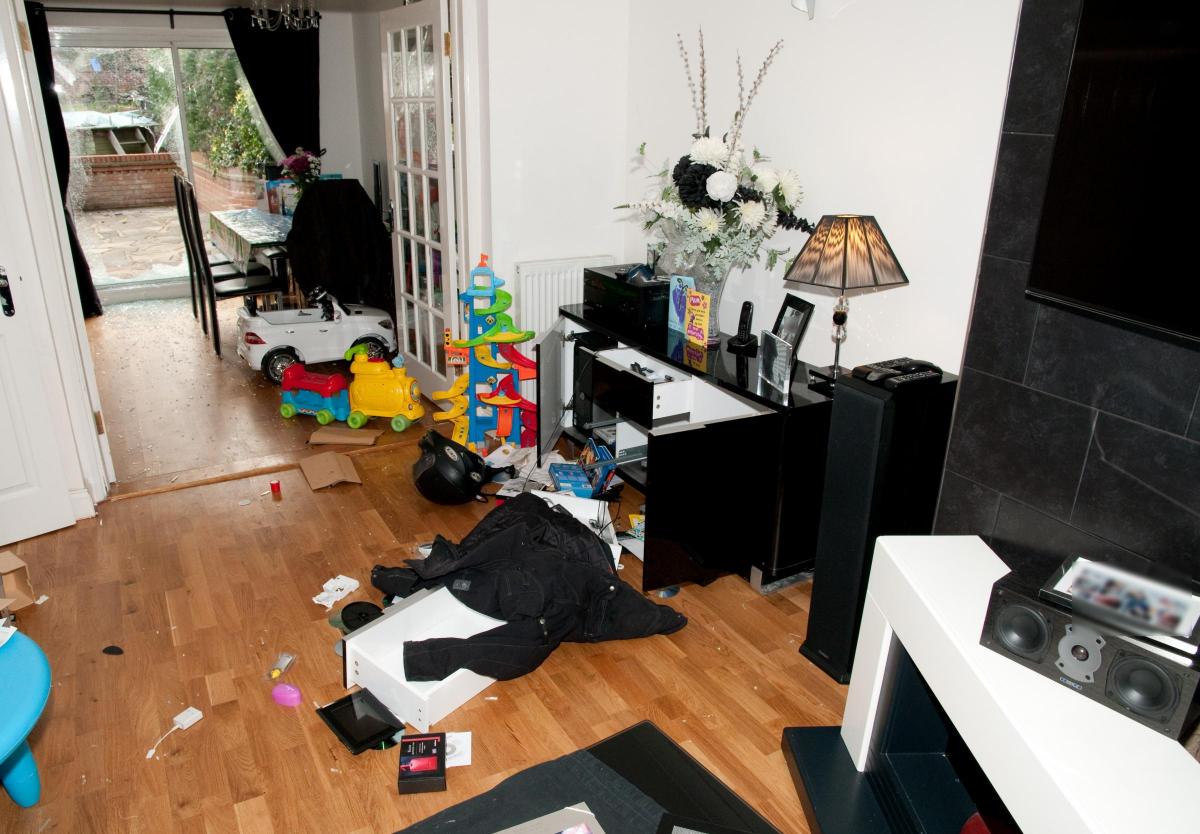
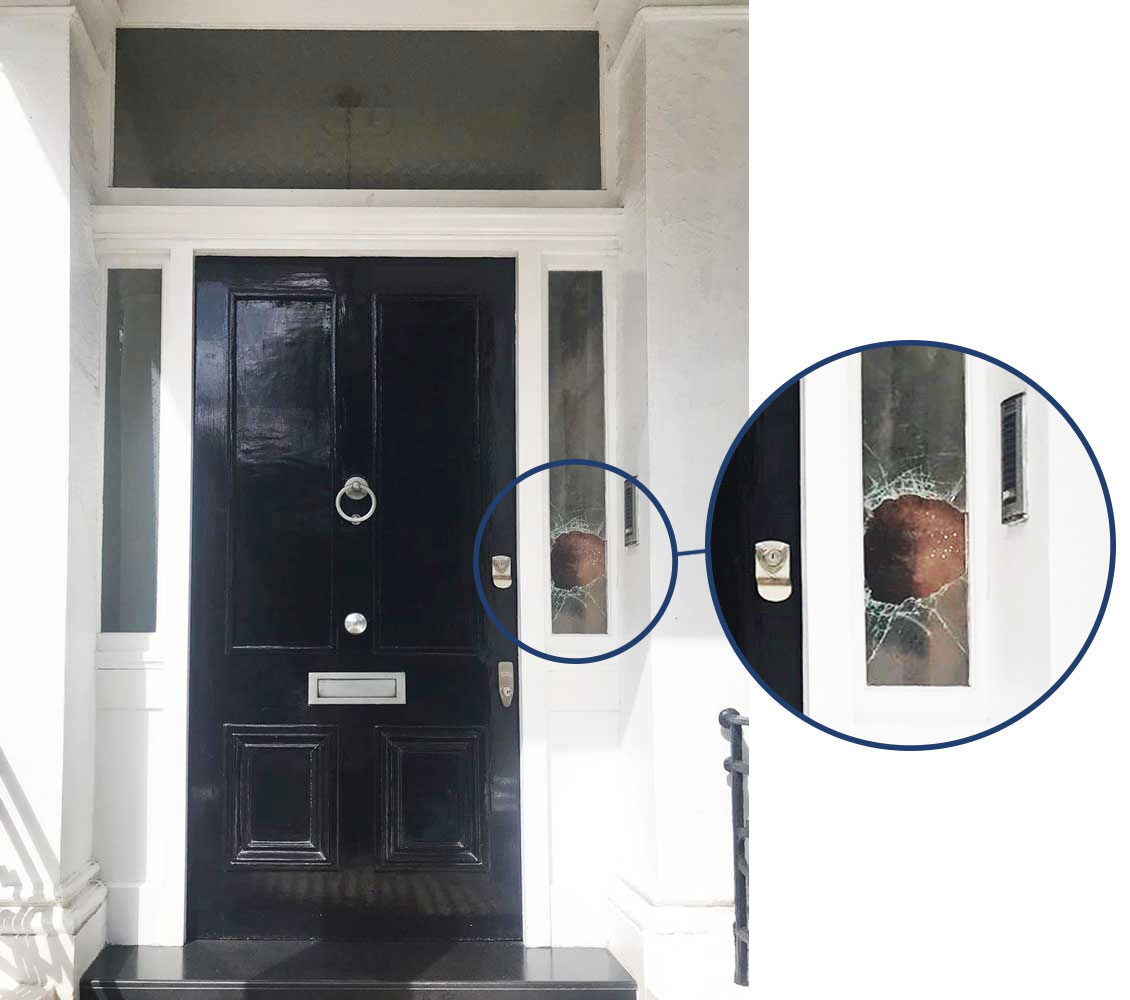
Does landlord insurance cover tenant vandalism? It can. Dwelling policies can cover vandalism and malicious mischief, which means intentional damage, and that includes damage a tenant does on purpose, such as holes punched in walls, smashed fixtures or deliberately broken windows. What landlord policies generally don't cover is wear and tear, neglect, dirt, pet damage, or the slow damage of "hard living" by a careless tenant. The policy form, the tenant's intent and whether the unit was vacant decide these claims.
This guide explains how landlord policies treat tenant damage, where the lines are, and how to build a claim alongside the tenant's security deposit.
Which policy a landlord has
Rental houses can be insured under a dwelling policy, called DP-1, DP-2 or DP-3, or under a landlord package. DP-2 and DP-3 forms include vandalism and malicious mischief. A DP-3 covers the building on an open perils basis, so direct physical loss is covered unless excluded. DP-1 basic forms cover a short list of perils, and vandalism and malicious mischief is an option the landlord must buy. Check your declarations page for which form you have and whether vandalism coverage is shown.
Vandalism vs. hard living
Insurers separate deliberate damage from damage caused by careless or rough use. Insurance trade publications have discussed claims where insurers paid for vandalism by a tenant but refused damage they described as "hard living."
Damage that looks like vandalism:
- Holes punched or kicked in walls and doors.
- Smashed cabinets, counters, toilets or windows.
- Spray paint, graffiti or deliberate staining.
- Cut wiring, ripped-out fixtures, or plugged drains meant to flood the unit.
Damage that insurers treat as wear, neglect or hard living:
- Worn, stained or pet-damaged carpet.
- Grease and grime, scuffed walls, nail holes.
- Mold from poor ventilation or unreported leaks.
- Broken items that wore out from use.
The standard homeowners form excludes wear and tear, marring and deterioration, and damage by animals owned or kept by an insured. Dwelling and landlord forms have similar exclusions. Pet damage by a tenant's animal can be disputed under the policy wording.
Vacancy
Standard forms exclude vandalism if the dwelling has been vacant for more than 60 consecutive days before the loss. If a tenant left and the unit sat empty while you looked for the next tenant, damage found later may fall into that gap. Document move-out dates and condition.
Theft by a tenant
Appliances, fixtures and furnishings a tenant takes on the way out may be covered as theft under the landlord's personal property coverage, if the policy includes theft. Basic dwelling forms exclude theft except damage to the building caused by burglars. See homeowners theft claim denied.
Break-ins by others
Damage by burglars or vandals who aren't tenants is the more straightforward claim. See break-in damage claims and vandalism property damage claims.
The security deposit comes first
State law lets landlords deduct damage beyond normal wear and tear from the security deposit, with deadlines and itemization rules. In California, the Attorney General's guide says the landlord must send an itemized statement of deductions and return the rest within 21 days after move-out. Washington law allows a landlord to sue the tenant for damage that exceeds the deposit.
Insurers subtract what you recover from the deposit, so you aren't paid twice. The insurer may also pursue the tenant for what it pays.
Collecting from the tenant
The tenant's own renters policy may not help. The standard liability section excludes damage the insured expected or intended, and it also excludes damage to property the insured rents, except damage caused by fire, smoke or explosion. That leaves the tenant personally responsible for deliberate damage.
If the damage exceeds the deposit and your insurer doesn't pay all of it, you can pursue the tenant in court for the rest, possibly in small claims court if the amount is within its limit. If your insurer pays, it may pursue the tenant itself through subrogation. Keep your evidence organized so it can be used in either case.
Loss of rent
If vandalism makes the unit unfit to rent, a dwelling policy's fair rental value coverage may pay the rent you lose while it's repaired, if it's part of your policy. Rent the tenant already owed before leaving isn't a covered loss. See water and other damage in rentals.
Fires and water damage caused by tenants
A fire or sudden water leak caused by a careless tenant can be covered as fire or water damage, even though the tenant was at fault. See landlord insurance after a fire.
Documenting a tenant vandalism claim
- Do a move-in inspection with dated photos and a signed checklist.
- After move-out or discovery, photograph every room before cleaning or repairing.
- File a police report for intentional damage. Insurers may require one.
- Get repair estimates that separate vandalism from cleaning and wear.
- Keep the lease, communications with the tenant, and deposit accounting.
- Report the claim promptly.
Proving what was in the unit, such as appliances and furnishings you provided, follows the same rules as any contents claim. See proof of ownership without receipts.
Matching and finishes
When a tenant damages part of a set of cabinets, counters or flooring, the repair may not match what's left. That can lead to a scope dispute in vandalism claims. See kitchen cabinet repair or replacement.
Example: a move-out rampage
After an eviction, a landlord finds kicked-in doors, holes in three walls, a smashed vanity, and spray paint on the kitchen cabinets. The carpet is also stained and torn by the tenant's dogs. The police take a report. The landlord's DP-3 insurer pays for the doors, walls, vanity and cabinets as vandalism, minus the deductible and the part of the deposit applied to those items. It refuses the carpet, citing wear and animal damage. These facts are illustrative.
Squatters and unauthorized occupants
Damage by someone living in the unit without permission, after a tenant leaves or during a vacancy, raises the same questions. If the person broke in, the damage may be treated as vandalism or burglary. If the unit had been vacant for more than 60 consecutive days, the vacancy exclusion may still apply. Report the occupancy to the police and your insurer as soon as you learn of it.
Reducing the risk next time
A detailed lease, a signed move-in checklist with photos, and periodic inspections with proper notice give you a record of the unit's condition at each stage. That record helps both the deposit accounting and any insurance claim. If you rent units that sit empty between tenants, ask your agent about a vacancy permit or endorsement before the 60-day limit runs out.
Common questions
Does landlord insurance cover damage caused by tenants?
It can cover intentional damage as vandalism. It generally doesn't cover wear and tear, neglect or pet damage.
Do I need a police report for tenant vandalism?
Insurers may expect one for intentional damage, and it helps show the damage was deliberate.
Can I use the security deposit and file a claim?
Yes, but the insurer subtracts what you recover from the deposit.
Is vandalism covered if the rental was vacant?
Not if it was vacant for more than 60 consecutive days under standard forms.
Tenant damage claim denied?
ClaimWarriors helps landlords document vandalism and separate it from wear in the estimate. See our theft and vandalism claim services or contact us for a free claim review.
This article is general information, not legal advice. Coverage depends on your policy wording and state law. Last reviewed November 2026.