Does Insurance Cover Break-In Damage to Your Home?


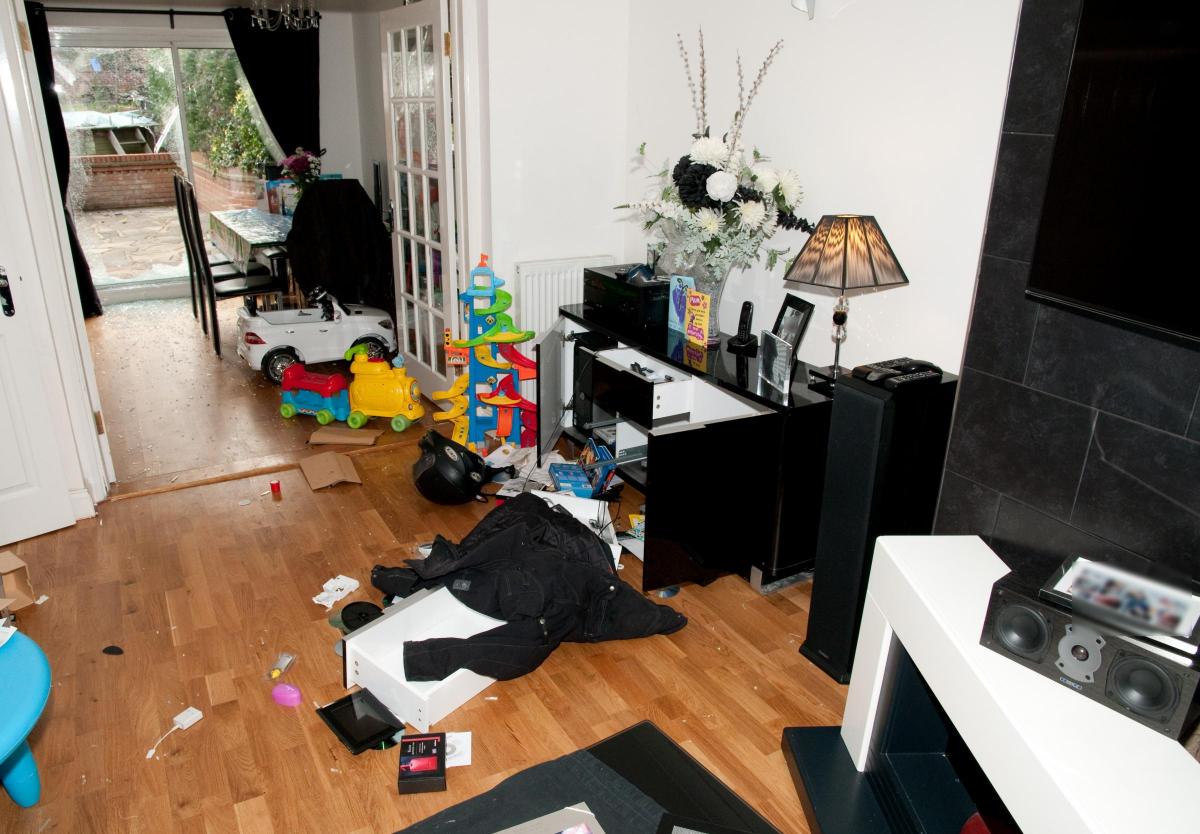
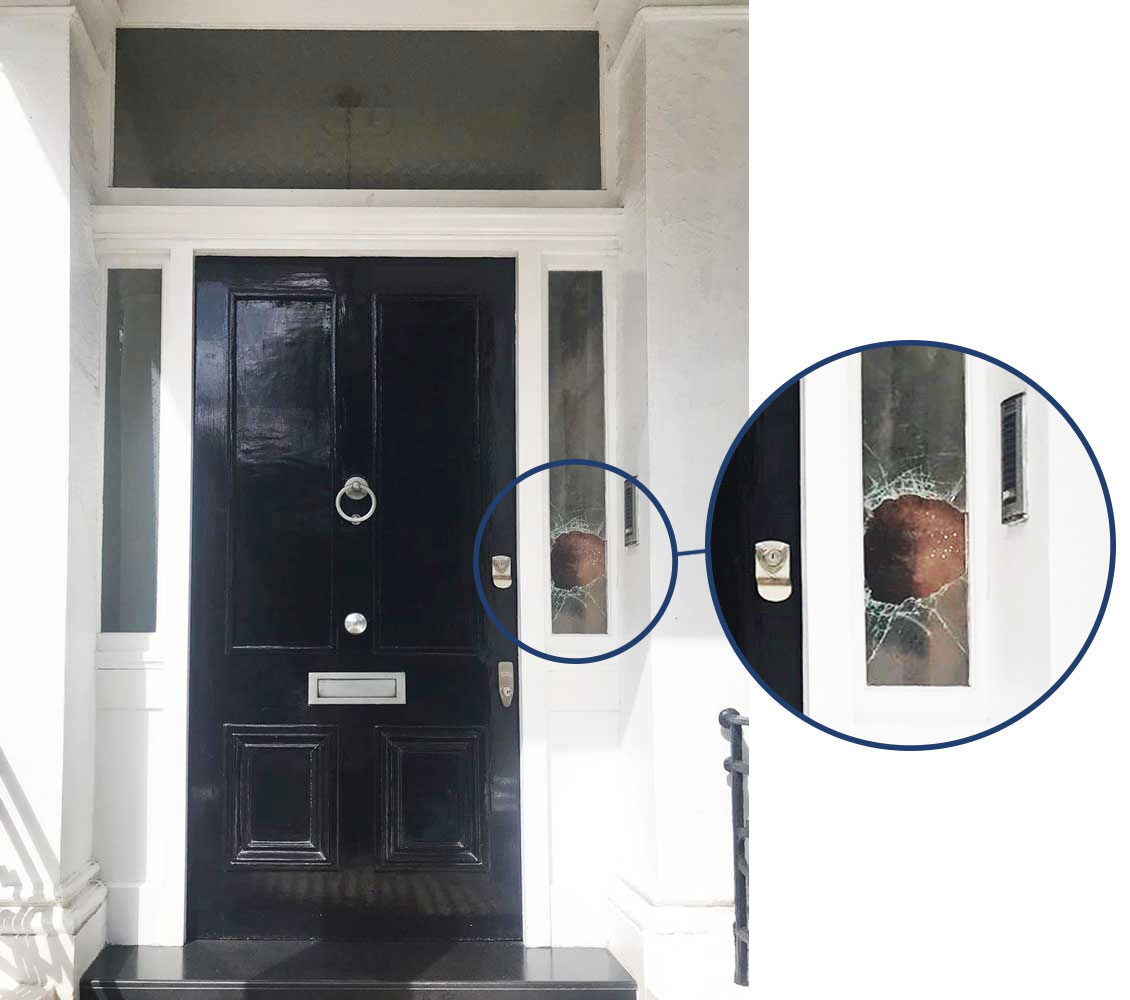
Does insurance cover break-in damage? Yes. A standard homeowners policy pays to repair the damage burglars cause to your house, such as forced doors, broken windows, damaged locks and frames, along with the belongings they steal or damage. The dwelling coverage pays for the building, the personal property coverage pays for your things, and one deductible applies to the total loss. Renters are covered for their belongings, while the landlord's policy pays for the building.
This guide explains what's covered after a break-in, the limits and exclusions that can apply, and how to document the claim.
What the policy covers after a break-in
The ISO HO 3 form, a standard form insurers use as a model, covers the house against direct physical loss unless excluded. Damage burglars do to doors, windows, frames, alarm systems and walls isn't excluded, so it's covered. For belongings, its 2011 edition lists theft and vandalism or malicious mischief as named perils. Theft includes attempted theft, so damage from a break-in where nothing was taken is still covered.
A break-in claim can include:
- Forced or broken entry doors, frames, locks and deadbolts.
- Broken windows, screens and sliding doors.
- Garage doors and openers damaged to gain entry.
- Damage inside, such as pried cabinets, broken safes and vandalized walls.
- Stolen and damaged belongings.
- Temporary repairs to secure the house.
See broken window insurance coverage and garage door damage insurance.
Securing the house is part of the claim
The standard policy pays the reasonable cost of necessary measures to protect covered property from further damage. Boarding a broken window, replacing a lock the same night, or hiring a locksmith counts. Keep the receipts and photos. Rekeying all the locks may be reasonable if keys were stolen.
Limits and exclusions that come up
Special limits on stolen property
The standard form caps theft of jewelry, watches and furs at $1,500 total, firearms at $2,500, silverware and goldware at $2,500, and money at $200. Property used primarily for business is limited to $2,500 at home. See homeowners insurance theft coverage.
Vacancy
The ISO form excludes vandalism and malicious mischief to the dwelling if it had been vacant for more than 60 consecutive days before the loss. A house that's furnished and lived in part of the time is treated differently from an empty one, depending on the policy's wording. Check the definitions in your policy if the house was empty.
Under construction
Theft in or to a dwelling under construction, or of building materials, isn't covered until the house is finished and occupied.
Theft by an insured
The theft peril excludes theft committed by an insured, such as a resident family member.
Wear and prior damage
An old door or rotten frame that failed during a break-in can lead to a dispute over how much is break-in damage and how much is wear. Photos of the damage before cleanup help.
Renters and landlords
A renter's policy covers the renter's stolen and damaged belongings. The landlord's policy covers the door, window and frame. Report the break-in to the landlord right away so the building can be secured. When a tenant causes damage, landlord policies follow different rules. See tenant vandalism and landlord insurance.
Break-ins at garages, sheds and vehicles
Detached garages and sheds are covered as other structures. Belongings stolen from them are covered under personal property. Items stolen from your car can be covered by your homeowners or renters policy, not auto insurance, while damage to the car itself goes through your auto comprehensive coverage. See tools stolen from a truck or garage.
Windows that leak afterward
A window that was forced but not replaced can leak in the next storm. Have damaged frames and seals inspected, not just the glass. See leaking window water damage.
Stolen cards, checks and identity
Burglars may take wallets, checkbooks and devices along with property. The standard ISO form includes a small additional coverage for credit card, electronic fund transfer card, forgery and counterfeit money losses, up to $500 unless your policy shows more. Some insurers also sell identity fraud expense coverage as an endorsement, which pays certain costs of restoring your identity, such as notarizing documents and lost wages for time off. Call your bank and card issuers right away, since their own fraud protections may cover unauthorized charges before your insurance does.
Camera footage and neighbors
Video from a doorbell camera, a security system or a neighbor's camera can show when the break-in happened, how the burglars got in and what they carried out. Save the footage before it's overwritten, give a copy to the police, and include it with your claim. It helps the insurer confirm the theft and can help police recover property.
Proving what was taken
List every item stolen or damaged, room by room, with brand, model, age and value. Receipts help but aren't the only proof. See proof of ownership without receipts.
Example: a back door break-in
Burglars kick in a back door while a family is on vacation, breaking the frame and deadbolt. They take a television, a laptop, jewelry and a game console, and smash a glass cabinet. A locksmith secures the house that night. The insurer pays for the new door, frame and hardware, the locksmith, the glass cabinet, the television, laptop and console, and the jewelry up to the $1,500 theft limit, minus one deductible. These facts are illustrative.
What to do after a break-in
- Leave if the burglar might still be inside, and call 911.
- File a police report and get the report number. The policy requires you to notify the police for a theft.
- Photograph the entry point, damage and every room before cleaning up.
- Secure the house with temporary repairs and keep receipts.
- Report the claim and list stolen and damaged items.
- Cancel stolen cards and change passwords if devices were taken.
If the insurer denies part of the claim, see homeowners theft claim denied.
Is it worth filing?
If the damage and stolen items are close to your deductible, compare the payout with the possible effect on your premium. A large break-in with stolen electronics and a new door is more likely to clear the deductible. A single broken window may not.
Alarms, cameras and upgrades
An alarm panel, keypad, camera or smart lock damaged in the break-in is part of the house or your belongings and is covered like the rest of the loss. Upgrades are different. If you decide to add a stronger door, a new alarm system or security bars after the break-in, the policy pays for what you had, not for improvements. Ask your contractor to price the like-for-like repair separately from any upgrade, so the claim and your own project stay apart.
Common questions
Does homeowners insurance cover a broken door from a break-in?
Yes. Damage to the house from a break-in is covered under the dwelling coverage, minus your deductible.
Is attempted burglary covered if nothing was stolen?
Yes. The standard theft peril includes attempted theft, and the damage to the house is covered.
Does renters insurance cover break-in damage?
Renters insurance covers your belongings. The landlord's insurance covers damage to the building.
Do I pay two deductibles for damage and stolen items?
One deductible applies to the total loss under a homeowners policy. Check your declarations.
Break-in claim underpaid?
ClaimWarriors documents break-in damage and stolen property so the full loss is paid. See our theft and vandalism claim services or contact us for a free claim review.
This article is general information, not legal advice. Coverage depends on your policy wording and state law. Last reviewed November 2026.